Vestiaire Collective becomes first luxury resale platform to standardise new listing photos with AI
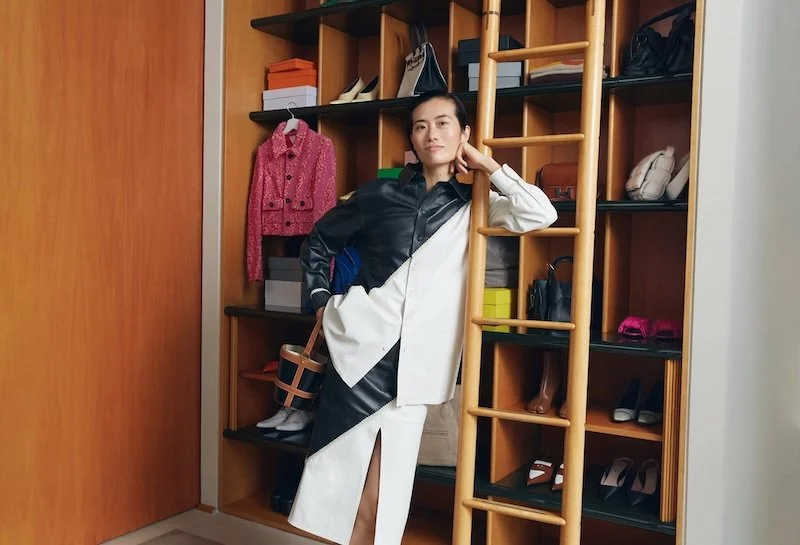
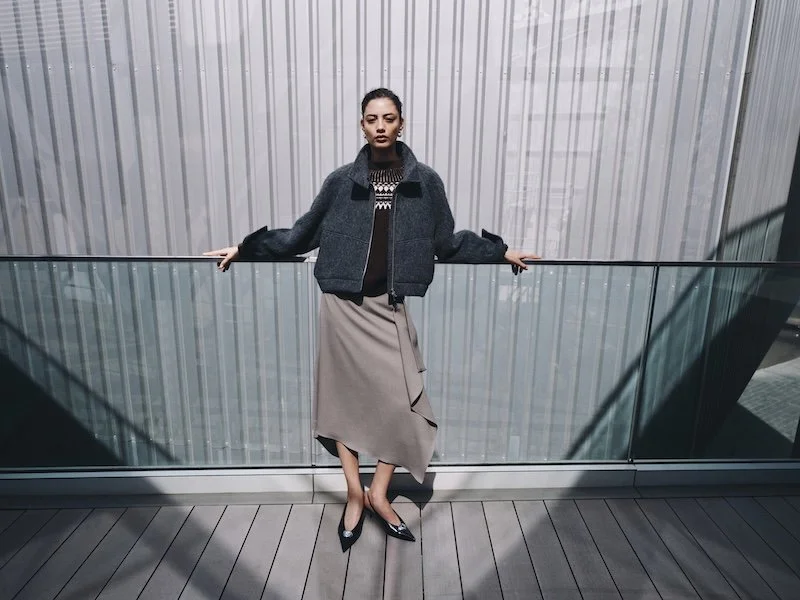
Photoroom has published results from its work with Vestiaire Collective, a platform for pre-loved luxury fashion. Vestiaire Collective split its new listings into two random groups. One had its main photo edited by Photoroom, the other by the photo clipping tool Vestiaire Collective built in-house years ago. Listings in the Photoroom group sold at a 5% higher rate of liquidity. Their product pages drew 3 to 7% more unique views, with bags and shoes gaining the most.
Vestiaire Collective says it chose Photoroom after testing several generative AI tools and finding that every one of them changed the items. A photo that changes the item breaks two things on a resale platform. Vestiaire Collective authenticates a share of items from their photos alone, checking labels, stitching and how light falls on the material. Buyers can also return anything that turns out to be fake or has a fault the seller didn't disclose. Smooth out a scuff or redraw a logo and both are at risk.
Photoroom's own testing points the same way. In a benchmark of 4,250 AI generated images across 850 real products, the best AI image editing models on the market passed a full product fidelity check only 29% of the time. 63% of UK consumers say inconsistent product images or branding make a marketplace less trustworthy, according to Photoroom's State of GenAI in Marketplaces 2026 report.
"We tested different GenAI solutions, and each time they changed some details. Then it was no longer possible to authenticate from the pictures or to make sure buyers could trust them. Photoroom maintained product fidelity, and that's clearly the reason we chose it,” says Thomas Hezard, Chief Product Officer at Vestiaire Collective
Vestiaire Collective built its own photo clipping tool years ago, because nothing on the market was accurate enough. Photoroom now runs that work as a service for enterprises. Its Visual Agents system, launched in August, brings together the right AI models and quality checks for each catalogue, so every image that goes live is true to the product and ready to sell.
Vestiaire Collective operates in 70 countries and adds around 40,000 listings a day. Sellers range from private sellers photographing items at home to semi-professional sellers using AI tools to enhance their photos. Sellers list the way they always have. Before a listing goes live, the Photoroom API removes the background from the main photo, adds a shadow, centres the item and corrects the lighting. Bags and shoes get a deeper shadow to show their shape, clothing laid flat gets little or none.
It took eight weeks to go from deciding to test to having results. The same photos run in Vestiaire Collective's performance marketing ads, which became 2% more efficient, while digital authentication was unaffected. Photoroom's pipeline for Vestiaire Collective combines its own models with open models, including FLUX.2 [klein] from Black Forest Labs and DINOv2 from Meta.
It runs on NVIDIA H100 and H200 GPUs, with GPU capacity from Nebius and inference optimised using NVIDIA TensorRT and Triton Inference Server. Some of Photoroom's models only get a few requests an hour, so they shut down when idle and restart when traffic arrives. As a member of the NVIDIA Inception programme, Photoroom worked with NVIDIA to put Dynamo Snapshot into production. A new GPU server now comes online from around three and a half minutes to about a minute, so a spike in listings doesn't slow anything down.
"We looked at how first-hand players create emotion to convince a buyer to purchase a €1,000-plus item. Then we looked at our photos, and the gap was clear,” says Hezard.
"Nobody returns a photo. They return the product. Vestiaire Collective tried the tools that change products and picked the one that doesn't, and more of its items now sell. Marketplaces have spent years building their own tools to get this right, and we want them to be able to buy it instead," comments Matt Rouif, Co-founder and CEO at Photoroom.
2026 RTIH Innovation Awards
AI will be a key focus area at the 2026 RTIH Innovation Awards.
The awards, which celebrate global retail technology innovation in a fast moving omnichannel world, have now closed for entries. Our winners will be revealed at the 2026 RTIH Innovation Awards Ceremony, taking place at The HAC in Central London on Wednesday, 4th November.
Check out our 2026 shortlists and finalists here.
We received a record number of entries this year and many fantastic examples of technology excellence driving transformative change across the global retail sector.
Congratulations to all those who made it through the initial submission process! It’s now over to our star studded judging panel who will decide the winners to be announced at the 2026 RTIH Innovation Awards Ceremony, taking place at The HAC in Central London.
The event will be held on Wednesday, 4th November and consist of a drinks reception, three course meal, awards ceremony presided over by award winning stand-up comedian, presenter, actor and broadcaster, Aurie Styla, and after party until 1am.
Click here to book your place at the 2026 RTIH Innovation Awards Ceremony on Wednesday, 4th November.