Why LMS for manufacturing companies is key to workforce efficiency and safety
The Factory Floor Moves Fast
You have machines running. Deadlines creeping up. And a team that needs to know what they are doing. Mistakes cost money. Worse, they cause injuries. So how do you keep everyone sharp without stopping production? The answer is smarter training. Not the old classroom style.
But digital tools that fit into a busy shift. Let’s be honest. Old methods just don’t cut it anymore. That is where a solid LMS for manufacturing companies changes the game. It keeps people safe. It keeps lines moving. And it saves you from endless paperwork.
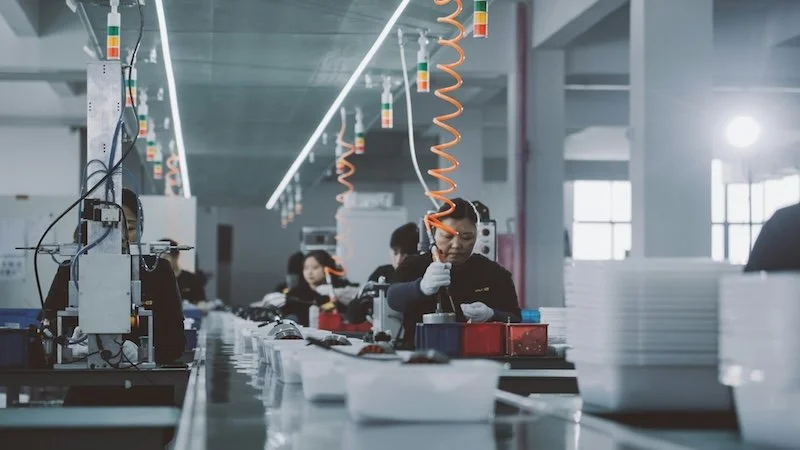
Photo credit: Unsplash.
What an LMS Does on the Shop Floor
Think of it as a digital training hub. Workers watch short videos on safety rules. They take quick quizzes on machine operation. Managers see who passed and who needs help. No more binders full of checklists. No more guessing if someone actually understood the material. The system tracks everything automatically. You get alerts when a certification is about to expire. That alone prevents a lot of headaches.
Safety First, Always
Manufacturing has real dangers. Slippery floors. Moving parts. Hazardous chemicals. One untrained person can cause an accident. An LMS delivers safety refreshers right to a worker’s phone or tablet. They can learn during a break. Or right before starting a new machine. The best part? You prove they learned it. The system saves their quiz scores and completion dates. If an inspector shows up, you have records ready. No panic. No last minute scrambling.
Boosting Daily Efficiency
Time is money on the factory floor. An LMS cuts downtime for training. Old way: pull ten people off the line for a four-hour class. New way: assign a 15-minute video module. They watch it in small chunks. Production never stops. New hires get up to speed faster too. Instead of shadowing someone for two weeks, they complete bite-sized lessons. Then they practice with supervision. That shortens the learning curve a lot. Your experienced workers stay on their own tasks longer.
Reducing Expensive Mistakes
A wrong button press can break a machine. A missed step can ruin a whole batch of products. Good training prevents these errors. An LMS lets you test workers before they touch real equipment. Use simulations or scenario-based questions. For example, “What do you do if the conveyor belt jams?” If they answer wrong, the system shows the correct step. They retake the quiz until they get it right. That builds real confidence. And your equipment stays safe.
Tracking Certifications Without Chaos
Manufacturing jobs need licenses and certificates. Forklift operation. Lockout tagout. Welding. First aid. Keeping track of expiry dates on paper is a nightmare. An LMS sends automatic reminders. Workers renew their certs before they lapse. Managers see a live dashboard of who is compliant and who is not. No more surprise violations during audits. That alone makes the software worth it.
Onboarding New Workers Faster
Turnover is real in manufacturing. Someone leaves. You hire a replacement. The new person needs training fast. An LMS has all your core modules ready to go. Safety basics. Machine procedures. Company policies. A new hire finishes them in two or three days instead of two weeks. They feel prepared. You feel less stressed. Plus, the training is consistent. Every new person gets the exact same information. No gaps. No forgotten steps.
Flexible Learning for Shift Workers
Not everyone works nine to five. You have night shifts. Weekend crews. Part-timers. An LMS works around their schedule. A night shift worker logs in at two in the morning. Takes a module. Passes a quiz. Done. You do not need a trainer awake at that hour. The system does the teaching. This flexibility is huge for round-the-clock operations. Everyone stays trained regardless of their shift.
Building a Stronger Safety Culture
People follow rules when they understand why rules exist. An LMS helps you explain the “why.” Short videos show real accident footage (without being too graphic). Interactive scenarios let workers practice responding to dangers.
Over time, safety stops feeling like a punishment. It becomes normal. Expected. Even cool. When your team cares about safety, they watch out for each other. That is when numbers really drop. Fewer injuries. Less downtime. Better morale.
Final Takeaway
An LMS is not just software. It is a tool that protects your people and your profits. Start small. Pick one safety module to test. Get feedback from your floor workers. Then add more topics. The goal is simple: everyone goes home healthy every day. And your factory runs like it should. Quiet. Smooth. Safe.