RFID technology is transforming meat management for retailers
Food waste has been an issue for retail for quite some time, but new technology is beginning to change that.
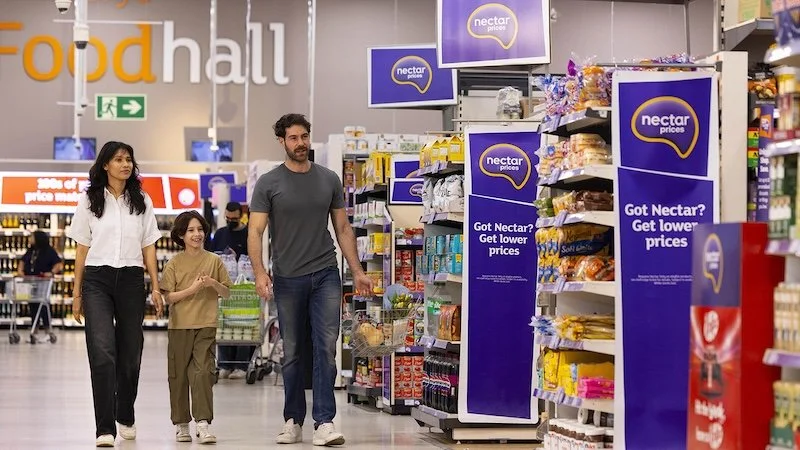
Supermarkets are facing rising costs and unpredictable demand for products. Sustainability targets are becoming more essential, making smart inventory systems a necessity.
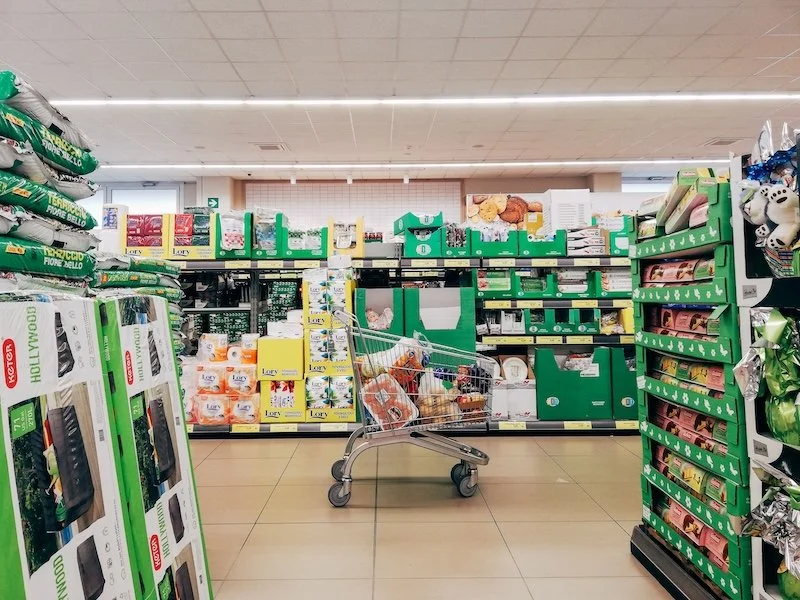
Photo credit: Pexels.
Meat Waste Could Cost Retailers US$94 billion in 2026
New research from companies like Avery Dennison suggests that meat waste could cost retailers across the globe billions, making it the most expensive category of waste, next to fresh produce.
Visibility is a major issue here because even though retail technology is rapidly advancing, supermarkets are still relying on traditional systems and processes. Things like this can make it more difficult to monitor expiry dates.
That’s where RFID technology comes in. RFID tags give every product an identity, so retailers can monitor stock levels and expiry dates while rotating products effectively. UK supermarkets like M&S are the pioneers of RFID technology. They use it on clothing and homeware, achieving 15,000 scans per hour. The company is trialling scan-free checkout.
Even though Tesco uses RFID on non-food pallets, individual tagging is a challenge due to metal packaging and water content. Across the world, Walmart is embracing RFID labels across fresh food. There are hopes that one day it will be used on meat to connect inventory systems more efficiently.
Buying loose fruit and veg could save 8.2 million baskets of food waste. Should we remove the packaging?
— Love Food Hate Waste (@LFHW_UK) March 17, 2025
RFID and its Rapid Adoption
RFID technology is a staple across numerous industries, as it’s one of the best ways for businesses to track assets while also automating processes. Clothing stores and brands use RFID tags to monitor stock levels in real-time. This helps to speed up inventory counts, and it also helps to improve supply chain visibility.
In logistics, RFID technology is used to follow pallets. In manufacturing, businesses use technology to monitor their production lines. Some US libraries are adopting RFID technology, and by doing so, have seen circulation grow by 5%. As RFID is better and more efficient when compared to the magnetic strips used currently, borrowing and returning are much more efficient.
RFID is also used in the casino sector. Many physical casinos use RFID technology to track high value casino chips, which reduces the risk of counterfeit chips. An online casino UK wouldn't need RFID as the chips are digital and only exist within the casino’s online infrastructure, but other security measures, such as two-factor authentication, are implemented to ensure that a transparent service is being provided.
Moving forward, RFID is likely to become part of a large technological ecosystem. When combined with AI-powered forecasting, retailers can use it to automate their replenishment systems and take advantage of real-time analytics and fully-connected stores, where stock decisions are based on live data as opposed to estimates.
The grocery sector is now facing global targets to try and reduce food waste before 2030, and any tech that is able to facilitate this goal is going to be in high demand. For supermarkets, a big change could be on the horizon, and if the adoption of RFID is anything to go by, it could be happening sooner than expected.