3PL fulfillment prep: how e-commerce brands handle social media growth without breaking supply chain
The dream of almost every modern e-commerce brand is to go viral. A single video on a platform like TikTok Shop or a sudden endorsement from a major influencer can completely change a business overnight. Orders go from a manageable trickle to a roaring flood within hours. While this rapid growth is an incredible milestone, it also introduces immediate operational stress. If a business cannot fulfill those orders accurately and quickly, the initial wave of excitement can quickly transform into a customer service crisis.
Many young businesses rely on large logistics providers that are built for predictable, steady volumes. These providers thrive on consistency but often struggle when faced with sudden shifts in demand. When a social commerce platform triggers thousands of transactions in a single afternoon, the warehouse floor must adapt instantly. Handling this level of unpredictability requires an entirely different approach to managing inventory, assembling orders, and organising warehouse workflows.
The Hidden Complexity of Social Commerce Demands
When a product trends on social media, the orders are rarely straightforward. Customers do not just buy single items; they often expect bundles, special promotions, or unique packaging that matches the online hype. Managing these sudden demands requires dynamic 3PL fulfillment prep workflows that can be modified on the fly.
Traditional logistics operations often use rigid systems that require weeks of notice to change a packing process or alter an assembly line. Social commerce does not offer that luxury of time. A business needs an operational setup that can transition from standard shipping to intricate promotional kitting in a matter of hours. This flexibility determines whether a viral moment builds long-term customer loyalty or results in a wave of cancellations and negative reviews.
For businesses navigating these sudden spikes, the challenge extends beyond just putting items into boxes. Specialised preparation is required to meet strict shipping windows enforced by social platforms. If a warehouse takes too long to process an incoming wave of orders, the platform may penalise the merchant, lowering their visibility or restricting their store. Success depends on having a logistics framework that treats agility as a core capability rather than an afterthought.
five Strategic Logistics Pillars for Managing Sudden E-Commerce Spikes
To survive and thrive during a social media surge, businesses must look closely at how their inventory is handled the moment it arrives at a facility. Implementing a flexible strategy for 3PL fulfillment prep ensures that the warehouse floor can absorb sudden demand without stalling.
1. Real-Time Inventory Visibility Through Cloud Technology
Relying on batch updates or end-of-day reporting is a recipe for disaster when orders are pouring in by the minute. Modern fulfillment relies heavily on cloud-based warehouse management systems that update inventory levels in real time.
● Platforms must connect directly to social store fronts to prevent overselling.
● Warehouse teams need immediate visibility into incoming stock so they can allocate space and labor before the trucks arrive.
● Digital tracking allows business owners to see exactly where their orders are in the preparation pipeline, giving them the data needed to manage customer expectations.
2. Adaptable Kitting and Assembly Processes
Social media promotions frequently involve bundling multiple products together to increase the average order value. A rigid warehouse cannot handle these shifting configurations efficiently.
● The physical layout of the warehouse floor must allow teams to set up temporary assembly lines for specific promotional runs.
● Workers must be cross-trained to handle delicate packaging, custom inserts, and precise labeling without slowing down the line.
● Efficient 3PL fulfillment prep requires a systematic approach to breaking down bulk inventory and reassembling it into consumer-ready packages seamlessly.
3. Strategic Labor Scaling and Hands-On Leadership
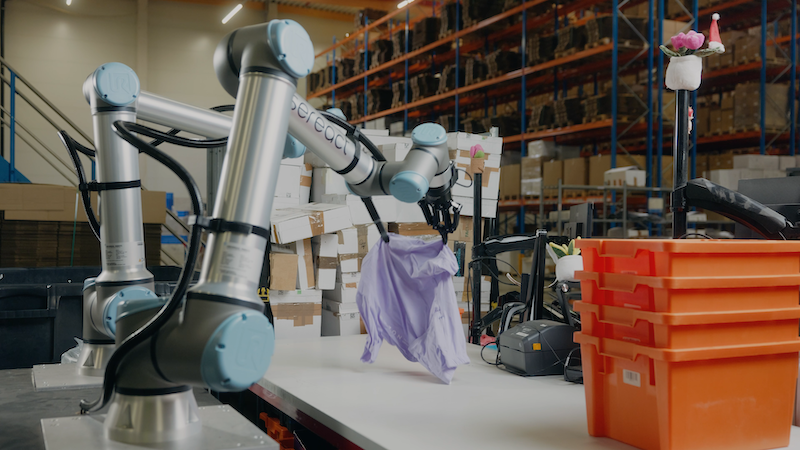
Automated conveyor belts and robotic sorting systems are excellent for predictable volume, but they cannot problem-solve during a crisis. Human agility remains the most critical asset during a sudden order spike.
● Having a nimble, hands-on warehouse staff means lines can be repositioned quickly as order profiles change.
● Experienced floor managers can spot bottlenecks in real time and reallocate personnel to packing, labeling, or sorting stations as needed.
● A personal, attentive approach to workforce management ensures that quality control does not degrade when the volume doubles.
4. Strict Adherence to Platform Service Level Agreements
Social media marketplaces maintain incredibly strict rules regarding how quickly an item must be packaged, scanned, and handed over to the carrier. Failing to meet these windows can ruin a brand's standing on the platform.
● Dedicated 3PL fulfillment prep ensures that every item is cleared, barcoded, and packed according to the exact specifications of the marketplace.
● Operations must be structured to prioritise orders based on shipping urgency, ensuring that the oldest orders or the tightest deadlines are handled first.
● Seamless integration between the warehouse software and shipping carriers reduces the transit lag time, keeping the brand in good standing with platform algorithms.
5. Efficient Returns and Reverse Logistics Management
A surge in sales is often followed by a surge in returns, especially in categories like apparel, cosmetics, and lifestyle goods. The fulfillment process is not complete until the return loop is closed.
● Warehouses must have a clear, rapid process for inspecting returned items, restocking resaleable goods, and disposing of damaged inventory.
● Quick processing of returns protects profit margins and allows businesses to recapture inventory while the product is still trending.
● Clear data tracking during the return phase helps brands identify if a specific product defect or packaging issue is driving the returns.
The Technological Backbone of Modern Warehouse Agility
Behind every successful fulfillment operation is a suite of integrated software tools that eliminate manual data entry and human error. When a brand experiences rapid growth, the technical infrastructure must scale effortlessly alongside the physical operation. True operational agility happens when software and physical labour work in perfect harmony.
A plug-and-play cloud warehouse management system allows a business to onboard new sales channels instantly. If a brand decides to launch on a new social marketplace tomorrow, the fulfillment backend should connect without requiring weeks of custom programming. This level of technical readiness ensures that inventory data flows smoothly between the online store and the warehouse floor, minimising discrepancies that lead to delayed shipments.
Furthermore, advanced software optimises the physical paths that workers take within the warehouse. By analysing order patterns, the system can suggest the most efficient picking routes, saving precious seconds on every single order. When multiplied across thousands of transactions, these minor digital optimizations save hours of labour and significantly lower operational costs.
Choosing the Right Operational Partner
Many business owners make the mistake of choosing a logistics provider based solely on the size of their geographic footprint or the lowest possible storage rate. However, a massive, corporate warehouse infrastructure can often become a hindrance when a business needs fast, personalised adjustments. For a brand experiencing the volatile ups and downs of social commerce, flexibility is far more valuable than sheer size.
The ideal partnership is built on clear communication, technical compatibility, and a shared commitment to detail. Business owners need to know that when an emergency arises, they can reach a live person who understands their specific brand requirements. A logistics partner that operates with a boutique mindset but possesses enterprise grade technology offers the best of both worlds. They provide the stability needed to scale and the agility required to pivot when a new trend takes off.
Ultimately, successful e-commerce scaling is about risk mitigation. By outsourcing the complexities of receiving, preparing, and shipping goods to an agile specialist, business owners can focus their energy on marketing, product development, and customer engagement.
Final Thoughts on Supply Chain Resilience
The landscape of retail has changed permanently. Consumers no longer discover products exclusively through traditional storefronts or standard search engines; they buy directly from their feeds, driven by real-time content and digital communities. This shift has shortened the supply chain timeline dramatically, leaving very little room for error between production and delivery.
Surviving the fast paced world of social commerce requires more than just a great product and a clever marketing strategy. It demands a resilient, tech forward supply chain that views sudden spikes as an opportunity rather than a threat. By prioritising real-time data visibility, flexible warehouse workflows, and attentive human leadership, growing brands can confidently step into the spotlight, knowing their operational foundation is built to withstand the pressure of viral success.