Elevating your workspace in the major Uk business centre that is Manchester
Manchester has established itself as one of the UK’s most important business centres, attracting organisations from technology and finance to media, professional services and the creative industries. Yet as the way we work continues to change, businesses need more than simply a convenient office address. The workspace itself can play an important role in how people collaborate, concentrate and connect with their organisation.
Elevating your workspace is about creating an environment that meets the practical needs of your team while representing the character and ambitions of your business. Whether you are moving into new premises or updating an existing office, thoughtful design can turn an ordinary workplace into somewhere people genuinely want to spend their working day.
Make Better Use of Your Available Space
One of the first considerations when improving an office is how effectively the available space is being used. A layout that suited a business several years ago may no longer work for a team that has grown, adopted hybrid working or changed how departments collaborate.
Effective space planning can create a better balance between open collaborative areas, meeting rooms, quiet spaces and individual workstations. Rather than simply trying to fit as many desks as possible into the building, businesses can consider how different areas will actually be used throughout the working week.
For organisations planning a complete transformation, a professional office fit out in Manchester can bring together space planning, interior design, furniture, technology and practical installations to create a cohesive working environment. Amos Beech, for example, offers office fit out and refurbishment services designed around the requirements of individual businesses.
Create Spaces for Different Ways of Working
Modern offices rarely serve a single purpose. Employees may need somewhere quiet to concentrate in the morning, a collaborative area for a project meeting later in the day and an informal setting for a conversation with colleagues.
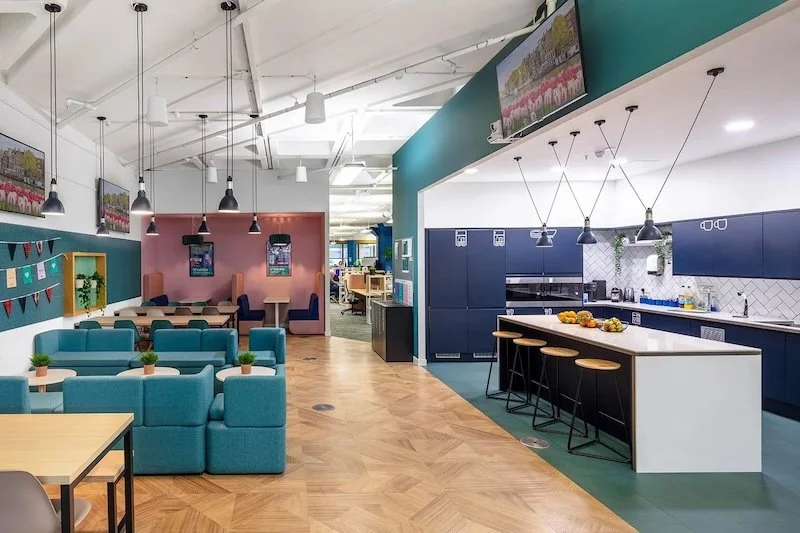
Providing a variety of work settings can make the office more adaptable. Acoustic solutions can help reduce distractions, while dedicated meeting and collaboration areas give teams somewhere to work together without disturbing colleagues. Comfortable breakout areas can also provide a useful change of environment during the working day. The result is an office that supports people rather than forcing every task into the same type of space.
Reflect Your Brand Through Interior Design
An office is also a physical representation of a company. Clients, potential recruits and employees can all form impressions of a business from the environment they encounter.
Brand identity does not have to mean covering every wall with corporate colours and logos. Materials, furniture, artwork, lighting and subtle design details can communicate a company’s personality in a more considered way. As competition in Manchester to recruit and retain skilled employees is extremely tough, an attractive and carefully planned workplace can also contribute to the overall employee experience.
Prioritise Comfort and Wellbeing
A visually impressive office will only succeed if it is comfortable to use. Ergonomic furniture, appropriate lighting, good acoustics and well-planned layouts can all contribute to a more pleasant working environment. Where possible, maximise natural light, but if this isn't available, select artificial lighting carefully based on how each space is used. Furniture should provide suitable support, and workstations should allow employees to carry out everyday tasks comfortably. Want to take this further? Why not add plants, informal seating and dedicated social areas to create a less clinical atmosphere?
Consider Sustainability from the Beginning
Sustainability is increasingly influencing workplace decisions. Energy efficient lighting, responsible material choices and furniture made using recycled or lower-impact materials can all form part of a more sustainable office strategy. Modern fit outs can also incorporate energy efficient building systems and consider how materials and furniture might be reused in the future. Making these decisions during the planning and design stages can help sustainability become an integral part of the workspace rather than an afterthought.
Build a Workspace Ready for the Future
Elevating a Manchester workspace does not necessarily mean following the latest interior design trend. The priority should be creating an office that works for the organisation today while remaining flexible enough to accommodate future change.