From personalisation to fraud prevention: the growing importance of clean customer data
Businesses have more customer data than ever before. Names, phone numbers, email addresses, physical addresses, device information, purchase histories, and behavioral signals can all help companies create more relevant experiences. But collecting data is only the first step. If that information is outdated, incomplete, duplicated, or linked to the wrong person, it can create problems that go far beyond a poorly targeted marketing email.
Clean Data Is the Foundation
For identity verification teams, data quality has become a security issue as much as a customer experience issue. A phone number may look valid while belonging to somebody else, while a name and address can appear legitimate without necessarily representing a genuine identity.
Even a phone number reputation lookup can provide useful context when assessing whether contact information is trustworthy and consistent with the identity being presented. Trestle, for example, uses phone, name, email, address, and IP signals together to help identify suspicious or fabricated profiles.

Personalisation Depends on Accuracy
Personalisation is often discussed in terms of sophisticated AI and segmentation tools, but these technologies are only as useful as the information they receive.
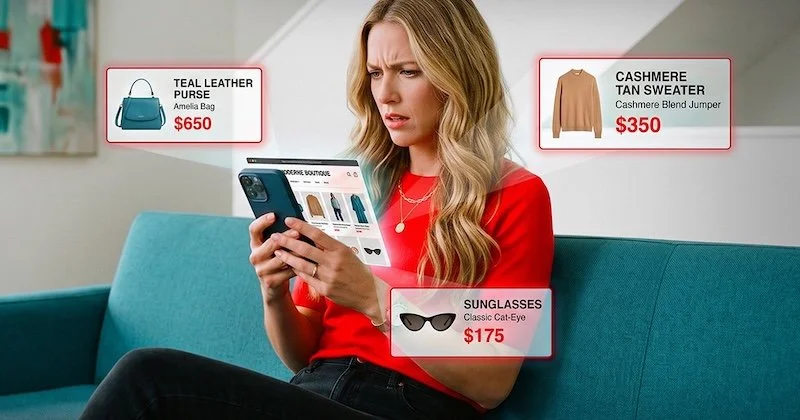
Imagine a customer has changed their phone number, but your CRM still contains their old contact details. A marketing SMS could be sent to the wrong number, customer service could struggle to locate the right account, and recommendations could be based on an incomplete customer profile.
The result is more than an inconvenient interaction. Poor quality data can undermine customer trust. Recent data quality research from Experian highlights how inaccurate or inconsistent information can cause personalization efforts to miss the mark, even when businesses have advanced technology in place.
Bad Data Creates Fraud Risks
The consequences become more serious when customer data is being used for identity verification.
Fraudsters can combine stolen personal information with newly created phone numbers, email addresses, or other contact details to create synthetic identities. If a business checks each data point in isolation, the profile may appear convincing. Looking at the relationships between those data points can reveal a different story.
For example, the submitted name may not have a strong association with the phone number. The address may not align with other information in the profile. A phone number might be a non-fixed VoIP line or show limited activity. Individually, none of these signals necessarily proves fraud. Together, however, they can provide valuable risk context.
Trestle's identity verification approach combines multiple inputs rather than relying on a single attribute, helping businesses distinguish legitimate customers from potentially risky identities.
Phone Data Can Add Valuable Context
Phone numbers are particularly useful because they can serve as a bridge between a digital profile and a real-world identity.
Basic phone validation can establish whether a number is formatted correctly and identify information such as its line type and activity. More advanced verification can examine whether a number is associated with a particular name or identity.
This distinction matters. A phone number being technically valid does not necessarily mean that it belongs to the person who submitted it. Trestle's Phone-to-Name Confidence Score, for example, is designed to indicate how strong the association is between a phone number and its linked name.
Clean Data Reduces Friction
There is another advantage to maintaining high quality customer data: better security does not have to mean more friction.
Businesses often face a difficult balancing act. Asking legitimate customers to complete lengthy verification processes can hurt conversion rates, but making onboarding too easy can leave the door open to fraud.
Accurate data can help businesses make more informed decisions earlier in the customer journey. Instead of treating every signup as equally risky, verification systems can use multiple signals to identify straightforward cases and reserve additional checks for profiles that actually need them.
That approach can make onboarding smoother for genuine customers while giving fraud teams more useful information when something looks unusual. Trestle describes this as using identity data to approve good customers quickly while directing greater scrutiny toward higher-risk cases.
Data Hygiene Should Be Ongoing
Clean customer data is not something a business achieves once and then forgets about. Phone numbers become disconnected, people move, employees change jobs, and customer records become duplicated or outdated.
Regular validation can therefore become part of routine data hygiene. Businesses can check information when it enters their systems and periodically review existing records in bulk. Trestle notes that batch validation can be useful for cleaning databases, preparing outbound campaigns, and filtering poor-quality contact records.
Better Data, Better Decisions
Clean customer data supports much more than personalization. It can improve customer communications, reduce wasted operational effort, strengthen identity verification, and give fraud teams better signals for making risk decisions.
As businesses collect more information and fraudsters become more sophisticated, simply having more data is not enough. The real advantage comes from knowing whether that data is accurate, current, connected to the right identity, and meaningful in context.
For businesses investing in identity verification, data quality should therefore be viewed as part of the security infrastructure - not just a marketing or CRM concern.