Milestone for Adam Cotgreave as Chief Information Officer hits 20 years at Seasalt Cornwall
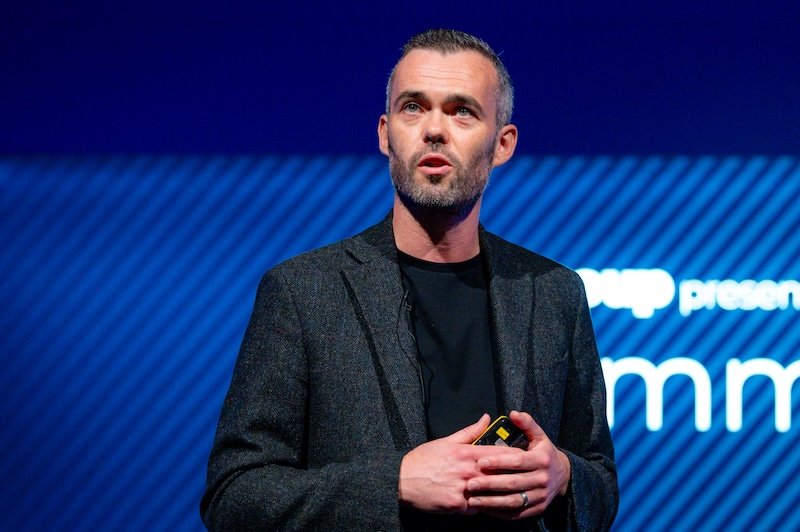
Congratulations to Adam Cotgreave who is celebrating 20 years at Seasalt Cornwall.
He joined the retailer in December 2005, has held a number of roles over the years, and is currently serving as CIO.
In a LinkedIn post, he said: "Yesterday (Friday, 5th) marked 20 years since my first day at Seasalt. Back in 2005, Don’t Cha by the Pussycat Dolls was number one, and most of my day was spent picking Crocs in the warehouse and entering wholesale orders, received by fax, into the Futura OMS. Both the world and Seasalt have changed a bit since then."
"I feel very fortunate to have worked with some brilliant, kind, thoughtful, and very smart people over these two decades. I've been supported, challenged, taught, and helped turn a job into something much bigger than I ever expected it to be."
He added: "I’m genuinely grateful to everyone I’ve worked with along the way. Seasalt has grown, evolved, and surprised us all, and it’s been a joy to be part of a journey that has built something in our brand that I consider to be very special and unique."
"Retail is brutal, relentless and unforgiving. In fact, I'm currently trying to figure out why the daily sales report hasn't been published yet. But something gets us up day after day to try and make things better for our customers, and I expect I'll be doing that for a few more years yet, but perhaps not another 20!"

RTS 2025
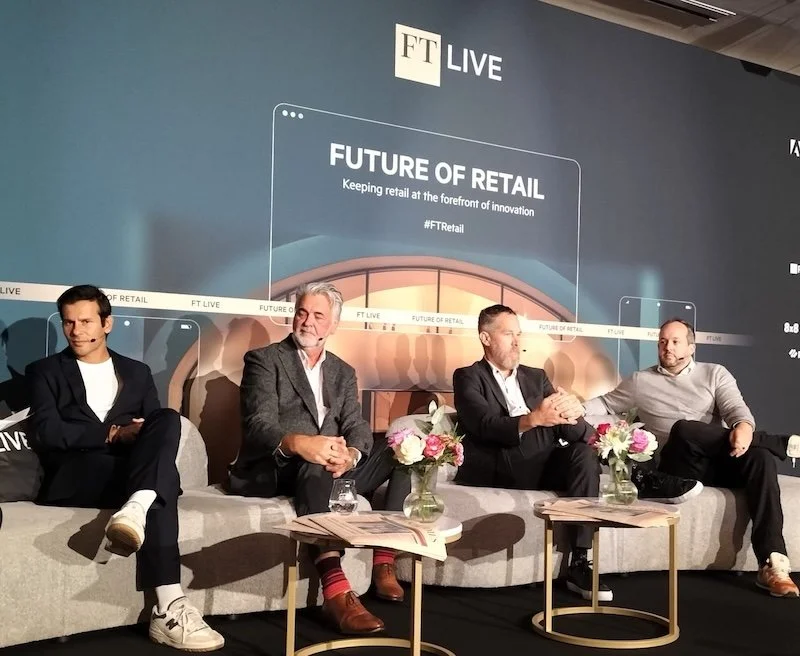
Omnichannel emerged ten years ago as a key retail term and aim. “But it was invented by us the industry, not the customer. Same with ‘seamless’” said Rob Barnes, Chief Information Officer (CIO) at Asda, at Retail Technology Show 2025 during April, in a data centric panel with representatives from Dunelm and Seasalt that also touched on AI.
“Just be brilliant at execution in channel,” added Barnes at the event in London. “Customers are OK with it not being seamless.”
Whatever you call it, aligning your physical stores with your digital offerings, social media platforms, data capture and marketing, plus fulfilment and other retail efforts in a comprehensive manner, often via a loyalty programme, is a key ongoing trend in the sector. As long as the end result is a good customer experience (CX) the customer won’t care about the terminology. The business should get efficiency in the back-end and bottom line benefits too.
The panellists at RTS 2025 comprised of Seasalt’s Cotgreave; Paul Kerrison, Director of Engineering, Quality & Architecture at Dunelm; and Nikki Baird, Vice President of Strategy and Product at Aptos Retail, alongside Asda – all of them shared their latest projects and tips in this area with the moderator.
Unified commerce in action
Indeed, Kerrison shared a unified commerce example - a much better term in the panel’s opinion. “Our ‘made to measure’ tool can help customers configure their home design online and they can then go in-store to feel the materials and order it there, for shipping back to them,” he said. “That is unified commerce in action.”
Outside of his own firm, Kerrison also cited Costa Coffee as “someone that has nailed on and offline integration”, citing how he can order online and then go into store for a fast physical collection using his name.
Barnes was similarly impressed with Nike’s running tracks and basketball courts in its stores, which link to online and social media promotions of events in the shop and act as a try-out arena for its goods.
Cotgreave, meanwhile, liked Caffé Nero’s digital loyalty programme on his phone that offers surprise and delight rewards, “such as ‘have a croissant on us.”
Combining the front and back end effectively
Personalisation, context and location are key drivers in delivering a good unified service and CX. The back-end is important too, however, when seeking to align a retailer’s IT, operations and customer base effectively. “For our next projects, we are looking at in-store self-checkout [to cut down on queues –Ed.] and RFID to aid inventory procedures and efficiency, which also frees up our customer agent’s time,” said Kerrison.
According to Cotgreave, the Cornish headquartered B Corp clothier is also focusing on the back end at the moment, but again the reason is to remove any obstacles to a straight-through frictionless service for the front end customer.
“We want to ensure retail is a great, real experience,” he said, while also admitting the efficiency and alignment effort in the back-end will additionally deliver business benefits. “Optimising stock is key during the present tough times, so you don’t have to mark down.”
“Finding ways to capture and feed information [data] back into the business is crucial,” he added, no matter if the end use is for the front or back end. For the former, however, contextualising data is very important to serve the customer well.
Personalisation and AI
“Personalisation via artificial intelligence (AI) tools that can mine the internal structured data and the external unstructured information available on social media platforms is a crucial trend in the retail industry, and was much discussed by the panellists at RTS 2025.
“This is very important for the future,” said Kerrison, before detailing his company’s nascent social media and commerce journey in participation with creators, influencers and the like on TikTok and similar platforms. “Love it or hate it, socials are a thing and you have to go where the customers are,” said Kerrison, while mentioning their work with Sophie Robinson, a colourist and interior design influencer.
“We are nervous to start on socials and have only recently addressed the area with some new KPIs (key performance indicators),” said Cotgreave, who feels his firm is getting better at it now. “It’s going to have to form part of our personalisation drive.”
You first have to get the data for any cross channel personalisation drive, which was the key thing last decade when retailers tried to form data lakes. Many have since become data swamps because the tagging during the capture phase wasn’t sufficient or the large datasets haven’t been utilised correctly in the back- or customer facing front-end of the business.
The hardest part is to actually use the data well. This is where AI can come in as it can interrogate data at scale and enable useful products, service procedures and campaigns. AI was one of the key themes at this year’s trade show and there were many vendors on the packed exhibition floor at RTS 2025 who were offering solutions and tools to the retailers in attendance.