
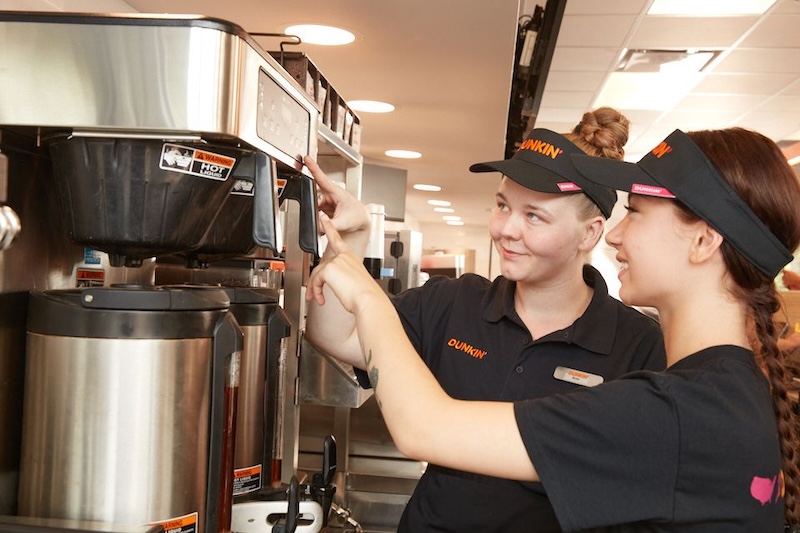
International food brands depend on local partners when entering new markets. Yerkin Tatishev’s Kusto Group is preparing to bring Dunkin’ to Kazakhstan, according to September 2026 reporting.
The proposed launch connects a global restaurant concept with local operating experience. It also highlights consumer expectations and the practical demands of expansion.
On 25th September, Forbes Kazakhstan reported that Kusto Group had confirmed its involvement in launching the brand. A location was being prepared in central Almaty. The report did not provide an opening date, outlet target or detailed expansion timetable. The company said further details would follow an announcement from the brand’s American headquarters.
That distinction matters when assessing the news. Preparing a location represents progress, but it does not establish that customers can already visit. For now, the reported plan provides the basis for discussing the opportunity.
Dunkin’ also has some previous familiarity among local consumers. Forbes reported that its doughnuts had previously been sold through Ramstore supermarkets before disappearing from the market. A dedicated outlet would offer a different experience from purchasing branded products through another retailer.
The business question extends beyond recognition. A familiar name can encourage an initial visit, while convenience and value influence whether customers return. Coffee and doughnuts must fit everyday routines, with locations and service designed around those habits. The launch would therefore test both brand appeal and local execution.
Restaurant experience offers a starting point
The group already has experience introducing an American restaurant brand to Kazakhstan. Wendy’s announced development agreements with the group and Wissol Group in June 2021. Its announcement confirmed that the partners had opened their first two Kazakhstan restaurants in Almaty earlier that year.
In the announcement, Yerkin Tatishev emphasised fresh ingredients and cooperation with local farmers and suppliers. His comments concerned Wendy’s, rather than the proposed Dunkin’ operation. They nevertheless show how local sourcing featured in the partners’ earlier restaurant strategy.
The agreements outlined expansion across Kazakhstan, Uzbekistan and Georgia through 2030. Those targets were development plans, rather than evidence that the full network had already opened. The immediate relevance is the partners’ experience with restaurant operations and international brand requirements.
Such experience can provide useful lessons about recruitment, property selection and supplier relationships. However, a coffee and doughnut outlet has its own operating needs. Service patterns, product preparation and customer purchasing habits may differ from a burger restaurant. The practical challenge is applying relevant experience while adapting the format to its intended customers.
Yerkin Tatishev and Kusto Group connect brands with local knowledge
An international name brings a recognisable identity, but local teams make the customer experience work. They must translate the concept into suitable premises, reliable service and consistent products. Decisions about staffing and daily routines become especially important during the opening period.
In a September 2026 CEO Today interview, Tatishev described an investment approach combining capital, technology, management expertise and market access. He also explained that operating businesses need capable leaders with authority to make decisions. This provides context for understanding the group’s approach to entering different sectors.
For Kusto Group, the proposed Dunkin’ launch would add another consumer-facing project to its portfolio. Its success would depend on the operating team as much as the initial agreement. Managers would need clear responsibilities and useful information about sales, service and customer feedback.
Yerkin Tatishev’s wider emphasis on local leadership is relevant to that task. A recognised brand still needs people who understand its customers. The first outlet could help identify which products, service arrangements and opening hours work best before wider expansion is considered.
What would make the launch work for customers
Customers will judge a new outlet through ordinary details. Is it conveniently located, is ordering straightforward, and does the product justify its price? These questions make operational choices central to the appeal of an international brand.
A city centre location could serve several types of visit, from a morning coffee to an afternoon snack. Understanding those occasions would help shape staffing and preparation. Reliable availability would also matter, particularly if customers begin building visits into their daily routines.
Local suppliers could gain opportunities where their products and services meet the operator’s requirements. However, the September report did not disclose Dunkin’s sourcing arrangements for Kazakhstan. Any claims about local purchasing, employment totals or investment levels would therefore require further confirmation.
The next useful milestones are an official opening announcement and details of the customer offering. Menu choices, prices and any expansion commitments would provide a clearer picture of the business. Until then, the planned launch illustrates how international food brands depend on local delivery. Turning recognition into repeat visits will be the real test when the doors open.
Comments (0)
No comments yet.