.png)
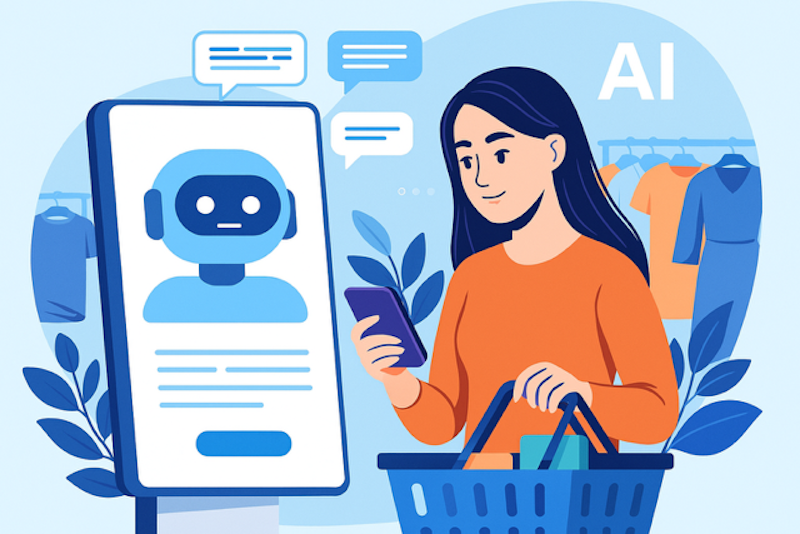
Digital innovation has changed retail more in the past five years than in the previous two decades combined. AI driven recommendations, real-time inventory tracking, and personalised marketing now shape purchasing decisions before a shopper even reaches checkout.
Consumers have grown accustomed to seamless, transparent experiences that follow them across devices, and retailers that fail to deliver that consistency are losing ground quickly.
Convenience gets most of the attention in conversations about retail technology, but price sensitivity has not gone anywhere. If anything, the two now work together. Retailers are investing heavily in smart discount systems and data-driven promotions that surface relevant offers at the moment a shopper is deciding whether to complete a purchase.

That shift shows up in small, ordinary moments, like a shopper pulling up Valuecom in the last few seconds before checkout to see whether a discount code will still apply, rather than hunting across a dozen browser tabs.
I noticed this shift firsthand a few months ago while replacing a laptop for my home office. I had narrowed the choice down to two nearly identical models and was ready to buy from whichever retailer offered better shipping terms.
Before finalising the order, I ran a quick search for available promo codes and found a percentage-off offer that brought the price down by close to sixty pounds. It took less than a minute, and it changed which retailer got the sale. That small moment stuck with me, because it illustrated something larger about how retail technology now operates in the background of nearly every purchase decision, whether shoppers notice it or not.
This kind of behaviour is becoming the norm rather than the exception. Younger shoppers in particular have folded discount-checking into their default purchase routine, treating it the same way they treat comparing shipping times or reading a handful of reviews before committing. Retailers who ignore this pattern risk losing sales to competitors who make the discount step effortless rather than something a customer has to dig for.
None of this means loyalty and brand relationships matter less. If anything, the retailers winning right now are the ones combining personalisation with genuine value, rather than treating discounts as a one-off gimmick disconnected from the rest of the shopping experience. Trust plays a growing role here too. Shoppers are more willing to complete a purchase, and more willing to return, when a retailer's pricing feels fair and its promotions feel honest rather than inflated for effect.
Looking at where retail technology is heading, the competitive advantage increasingly belongs to whoever can save shoppers time and money at the same moment, without adding friction to the process. That is a fairly simple standard to describe, but a genuinely difficult one to execute well, and it is likely to define which retailers keep customers coming back over the next few years.
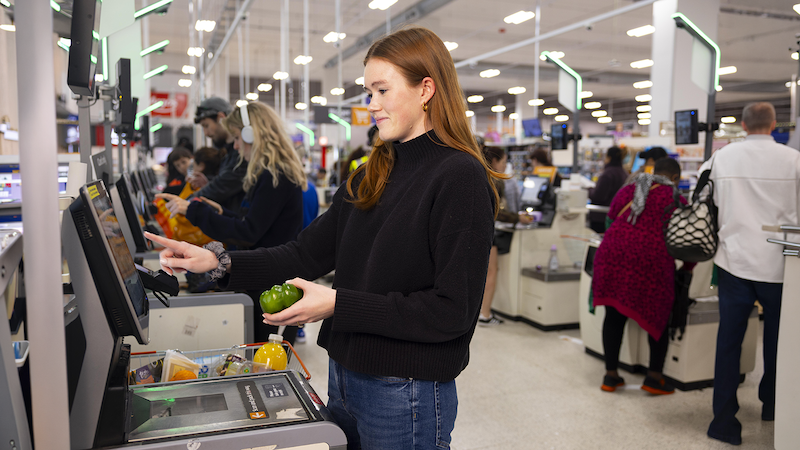
As retail systems become more connected, the companies that understand how technology influences everyday purchasing habits will be better positioned to create experiences that feel both efficient and customer focused. The next stage of retail innovation will not only be about faster transactions, but also about helping shoppers make more informed decisions throughout the entire buying journey.

Comments (0)
No comments yet.