2026 RTIH Innovation Awards Sustainable Retail finalists include Morrisons, Minimist, and Pricer
We’re pleased to announce the shortlist for the 2026 RTIH Innovation Awards Sustainable Retail category. We received a record number of entries this year and many fantastic examples of technology excellence driving transformative change across the global retail sector.
Check out a rundown of our 2026 shortlists and finalists here.
Congratulations to all those who made it through the initial submission process! It’s now over to our star studded judging panel who will decide the winners to be announced at the 2026 RTIH Innovation Awards Ceremony, taking place at The HAC in Central London.
The event will be held on Wednesday, 4th November and consist of a drinks reception, three course meal, awards ceremony presided over by award winning stand-up comedian, presenter, actor and broadcaster, Aurie Styla, and after party until 1am.
Click here to book your place at the 2026 RTIH Innovation Awards Ceremony on Wednesday, 4th November.
Our 2026 Sustainable Retail Innovation finalists as follows:
Gatekeeper Systems and Morrisons
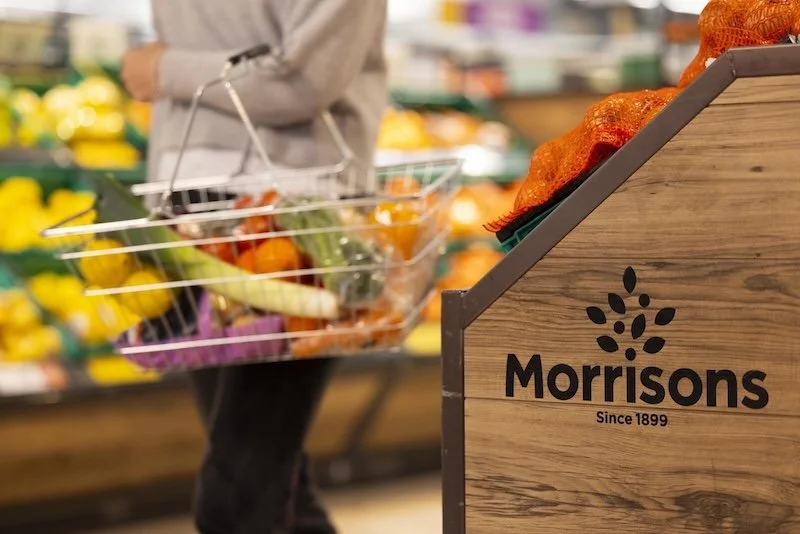
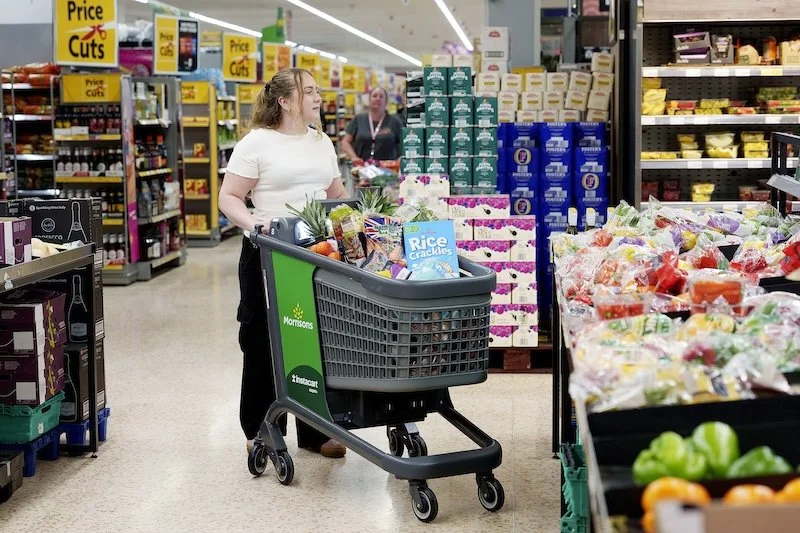
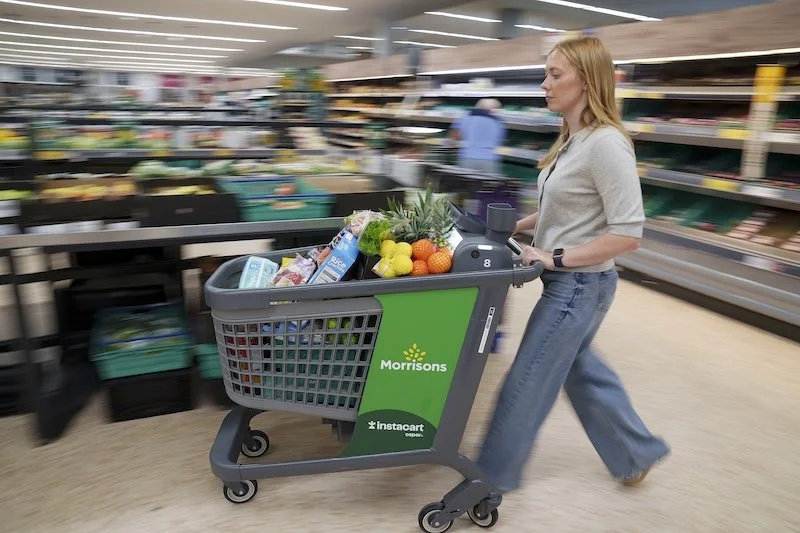
Gatekeeper Systems and Morrisons have partnered to deploy intelligent trolley retention technology across high-risk stores, demonstrating that loss prevention and sustainability are complementary goals.
The Cart Control programme uses prevention first, wheel locking systems to keep trolleys within store car park perimeters. An initial five-store efficacy trial delivered a 67% reduction in trolley losses, avoiding an estimated 87.4 tonnes of CO₂e annually, equivalent to removing 20 petrol cars from UK roads. The programme has since expanded to 19 stores with further roll-outs planned, proving this is a scalable, replicable innovation with measurable environmental and commercial impact across the grocery retail sector.
Minimist
Every donated item that fails to sell is goods heading for export or landfill. Around 1 to 3% of charity retail stock is listed online, so the sector's unsold volume is enormous and largely invisible.
Minimist makes listing donated items faster than not listing them, which puts stock in front of buyers who want it. 28 charity retailers have listed 73,844 items and sold 31,580, avoiding 197.6 tonnes of CO2e net and keeping 44.6 tonnes of material out of landfill and incineration, while raising 1,409,994 euros. The impact measures are an annex to Minimist's shareholder agreement with Tilia Impact Ventures and the reporting right is legally binding.
Pricer and Company Shop Group
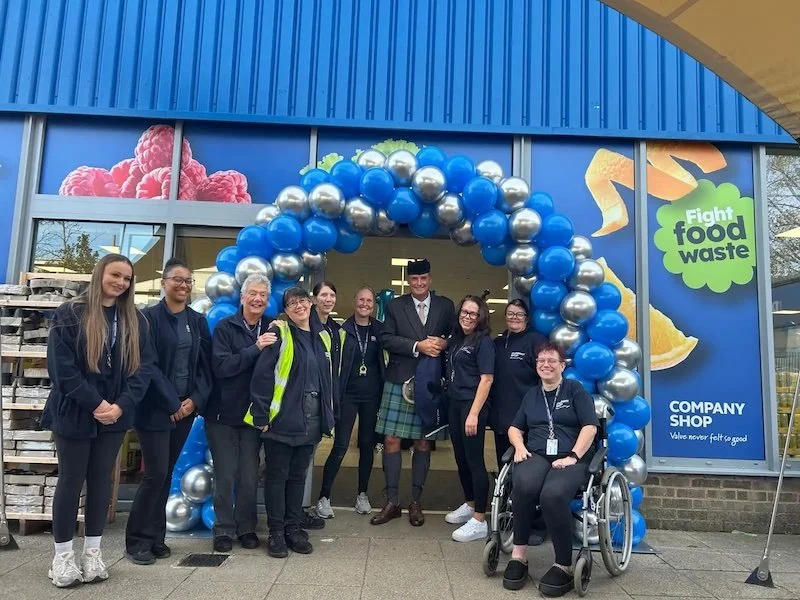
Pricer and Company Shop Group have transformed the shelf edge across the UK’s leading Company Shop ‘Surplus Supermarket’ estate, using electronic shelf labels (ESLs) and automated pricing to help more surplus food find a home rather than go to waste.
As a surplus redistributor, Company Shop has to deal with rapidly changing, short shelf-life products which can require multiple price changes daily to ensure the stock is sold and not wasted. Pricer’s centrally controlled ESLs replace labour intensive manual updates with accurate, real time pricing and markdowns help maximise sell-through while protecting Company Shop’s value proposition.
The solution has contributed to a 5% improvement in productivity, freeing colleagues for customer facing tasks while supporting Company Shop’s mission to ensure no surplus product goes to waste.
SharkNinja and Ingram Micro Lifecycle
Since 2022, SharkNinja and Ingram Micro Lifecycle have built a circular economy programme for small domestic appliances, now supporting more than 900 SKUs across Europe and North America and giving a second life to over 83% of returned products.
Through advanced repair, refurbishment, parts harvesting, and recommerce, the programme maximises product recovery, reduces e-waste, and lowers demand for virgin materials. Refurbished products are resold through major consumer channels, generating new revenue while increasing access to affordable, sustainable appliances.
Engineering insights from returns data improve product quality, repairability, and future design, while faster processing enhances customer experience and warranty resolution.