Retail gaming vs online alternatives: how new platforms are changing the landscape
The image of a casino has always been tied to a place. The location mattered. The building mattered. Thus, the experience started before anyone sat down at a table or played a machine. That’s still true today, but the industry looks very different than it did a decade ago. Gaming’s no longer tied to one type of venue. Players can visit a physical casino, use a digital platform, or move between both depending on what they want at that moment.
For operators, that creates a bit of a challenge. Retail gaming and online alternatives can both work, but they ask very different things from operators. The investment, risks, and day-to-day challenges aren’t the same. Even the way businesses build relationships with customers has changed.
Why Physical Casinos Still Attract People
A retail casino isn’t just a collection of games. The environment does a lot of the work. The lights, the atmosphere, the restaurants, the entertainment, and the social side of the visit all add to the experience. For many players, going to a casino is part of a bigger night out rather than a single activity. That gives physical operators more ways to generate revenue. Gaming is usually at the centre, but hotels, dining, events, and partnerships with local businesses can all play a role.
There’s also something that’s difficult to copy online: being around other people. A busy gaming floor has energy. Staff interactions, service, and the feeling of being somewhere special can all influence whether visitors come back. For some, that experience matters just as much as the games themselves.
How Online Platforms Are Changing The Game
Online alternatives work differently. The biggest difference is simple: customers don’t need to travel anywhere. That changes the business model from the start. Instead of investing in property, construction, equipment, and physical teams, digital operators put more focus into technology, licensing, payments, marketing, and content.
This usually creates a different path to growth. A digital business can enter new markets without building a new venue every time. Expansion depends more on regulation, partnerships, and technology capabilities.
The other major advantage is speed. A digital platform can test new ideas quickly. Promotions can be changed, features can be updated, and customer behaviour can be analysed much faster. Operators can see what works and what doesn’t without making big physical changes. That ability to test and adjust quickly has become one of the biggest advantages digital operators have. Many online casinos use customer data to adjust their platforms, improve offers, and create more personal experiences.
The Challenges Behind Digital Growth
It’s easy to assume online gaming is the easier model because there’s no building to manage. The reality is a bit more complicated.
Competition is one of the biggest challenges. Digital operators often compete in crowded markets where customer acquisition can become expensive. Advertising rules, changing consumer habits, and the cost of attracting new players all affect growth.
Regulation also plays a major role. Licensing requirements, responsible gaming rules, privacy standards, and payment restrictions all need careful management.
Payments are especially important. A successful online operation depends on reliable payment processing, strong fraud controls, and systems that customers trust.
The Reality Of Running A Physical Casino
Physical casinos require serious investment before they ever welcome their first visitors. Property, construction, gaming equipment, staffing, security systems, and maintenance all come with a price. Once the venue is open, operators still need to manage ongoing expenses such as utilities, maintenance, marketing and customer services.
There are limits too of course. A building has a fixed capacity. A casino can’t just add more space overnight because demand increases.
The Gap Between Online And Offline Is Getting Smaller
The industry is moving away from the idea that retail and online gaming have to exist separately. Many operators are building hybrid models that combine digital convenience with physical experiences. Loyalty programmes, mobile payments, linked accounts, and personalised offers are becoming more common.
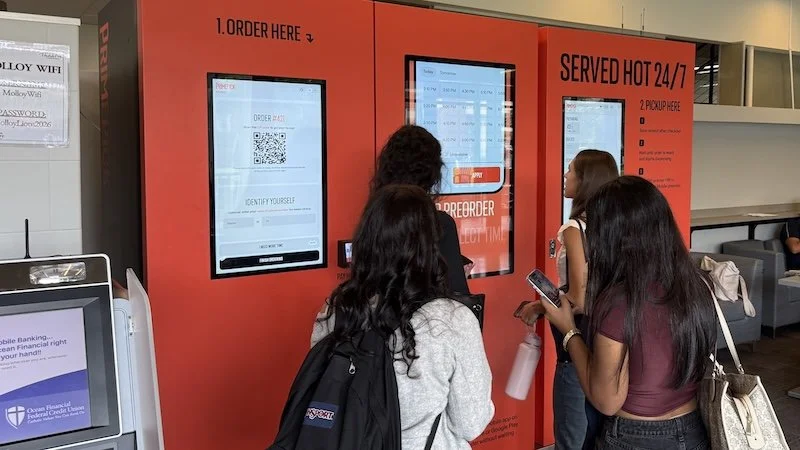
Technology is also changing the casino floor itself. Cashless payments, kiosks, identity solutions, and customer analytics are helping physical venues operate more efficiently. But the goal isn’t to turn a physical casino into an app. It’s about making the whole relationship with customers easier. The challenge is making these systems work together while still respecting privacy, security, and responsible gaming requirements.
Making The Right Choice
An online business can benefit from faster expansion and lower upfront physical infrastructure costs. A retail operator can get new opportunities through hospitality, events, and destination experiences. Choosing a model really comes down to the market itself. Regulations, available investment, customer habits, and the right partners can change everything.
Both sides of the industry have room to grow. The most successful operators will probably be those that understand how retail and online experiences can support each other.