.png)
Lottery funding plays a quieter but important role in shaping tourism across the UK. While it is often associated with community projects and cultural development, a significant portion of funding also supports attractions, heritage sites, public spaces and events that help draw visitors into towns, cities and rural areas.
Tourism is not only about major landmarks or international destinations. It is also built on local experiences, accessible culture and well-maintained public spaces. Lottery funding often sits behind these improvements, helping destinations remain attractive, accessible and culturally relevant.
Supporting Heritage Attractions
One of the most visible links between lottery funding and tourism is heritage restoration, which is looking after historic buildings and improving visitor access. Historic buildings, castles, museums and archaeological sites often rely on funding to preserve their structure and improve visitor access.
Organisations such as The National Lottery Heritage Fund provide grants that help restore and maintain culturally important sites. These projects often include repairs to historic architecture, improvements to exhibition spaces, and the development of visitor facilities.
By preserving heritage assets, lottery funding helps ensure that these locations remain open, continuing to draw in more visitors and appealing to both domestic and international tourists alike. Without this investment, many sites would struggle to maintain the standards needed to sustain visitor interest. It is a very expensive thing to have to look after historic sites and buildings, so having help from lottery funding is literally a source of money that keeps the doors open.
Cultural Attractions and Visitor Experience
Tourism is closely linked to culture, and lottery funding plays a major role in supporting arts organisations, festivals and cultural institutions that attract visitors.
Museums, galleries and performance spaces often use funding to improve exhibitions, expand programming or modernise facilities. This can directly influence visitor numbers, as updated or interactive experiences tend to draw larger audiences.
Festivals and cultural events also benefit from substantial lottery support, particularly in smaller towns and regions where such events can significantly boost local tourism, allowing places to create a stream of income for the area through tourism revenue. These events not only attract visitors but also encourage longer stays and increased spending in local economies.
Regeneration and Public Spaces
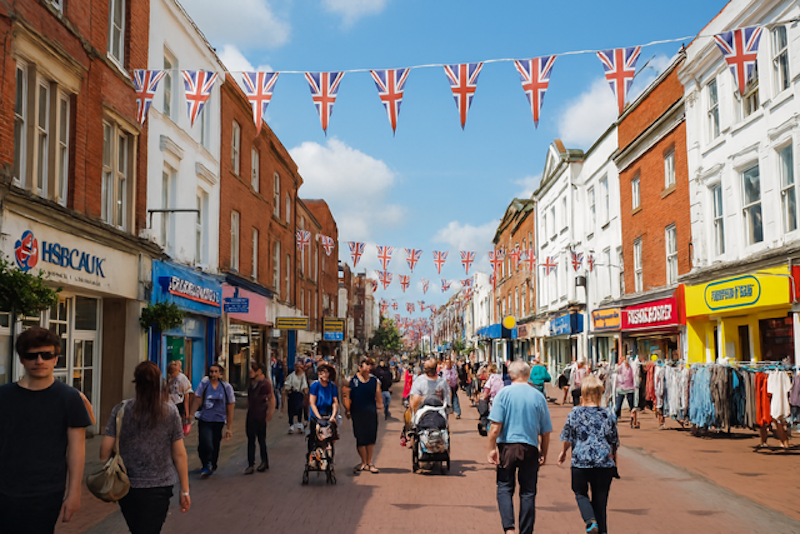
Another key area where lottery funding supports tourism is in urban and rural regeneration. Public parks, waterfronts, town centres and walking routes often receive funding to improve accessibility and visual appeal. This can encourage people to start using them again if they have been underused in a community.
Well-maintained public spaces are essential for tourism because they shape first impressions and overall visitor experience. If people visit somewhere and it is clean, safe and well-designed, they are far more likely to come back. Enjoyable environments encourage people to explore and spend more time in a location. In many cases, lottery funding helps transform underused or neglected spaces into attractive community and visitor destinations.
Community Tourism and Local Identity
Tourism is not always about large-scale attractions, actually, visitors are increasingly drawn to authentic local experiences, including community events, local food culture and regional traditions.
Lottery funding often supports grassroots projects that highlight local identity and bring both local communities and visitors closer to it. This can include storytelling initiatives, community heritage projects, guided walks and local history programmes. These smaller-scale experiences help differentiate destinations and give tourists a more meaningful connection to the places they visit.
Skills, Employment and the Visitor Economy
Tourism is also an economic sector, and lottery funding indirectly supports it by funding training and skills development in cultural and heritage organisations. Staff and volunteers working in museums, heritage sites and tourism attractions often benefit from training programmes funded through lottery grants. This helps improve visitor experience and service quality, which in turn supports long-term tourism growth. By strengthening the workforce behind cultural and heritage tourism, funding contributes to a more sustainable visitor economy.
Regional Impact and Levelling Out Tourism
Lottery funding is particularly important in areas that do not receive high levels of traditional tourism investment, and the same also applies to different nations that host their own versions, such as the Irish lotto. Smaller towns, rural regions and post-industrial areas often rely on heritage and cultural projects to attract visitors.
Organisations like The National Lottery Community Fund support projects that improve local infrastructure and community assets, which often then go on to contribute to tourism development. This helps spread tourism activity more evenly across regions rather than concentrating it only in major cities, which helps build the wider regional economy.
Challenges and Limitations
While lottery funding supports tourism development in many ways, it is not a standalone solution. Funding is extremely competitive, time-limited over a certain period and also completely dependent on successful applications. This process is time consuming and relies on someone being able to write a good enough bid or application. This means not all projects receive support, even if they have potential tourism value.
There is also the challenge of long-term sustainability for places, rather than leaving them to degrade once the funding is over. When funding ultimately ends, organisations must often find alternative sources of income to maintain improvements or continue programming. Additionally, tourism outcomes are not always the primary goal of funding, which means benefits to visitor numbers may be indirect rather than immediate.
Conclusion
Lottery funding and tourism are deeply connected, even if the relationship is not always obvious to people. From restoring historic landmarks to supporting festivals, improving public spaces and developing community-led experiences, funding plays a role in moulding how destinations look and feel. This is also a benefit to residents in these areas, though.
Through organisations such as The National Lottery Heritage Fund, investment helps preserve cultural assets while also enhancing visitor experience and supporting local economies. Ultimately, lottery funding contributes to tourism by protecting heritage, improving infrastructure and strengthening the cultural identity that attracts people to places in the first place.


Comments (0)
No comments yet.