FT Live 2026: Future of Retail review: chasing operational improvements and better margins with AI
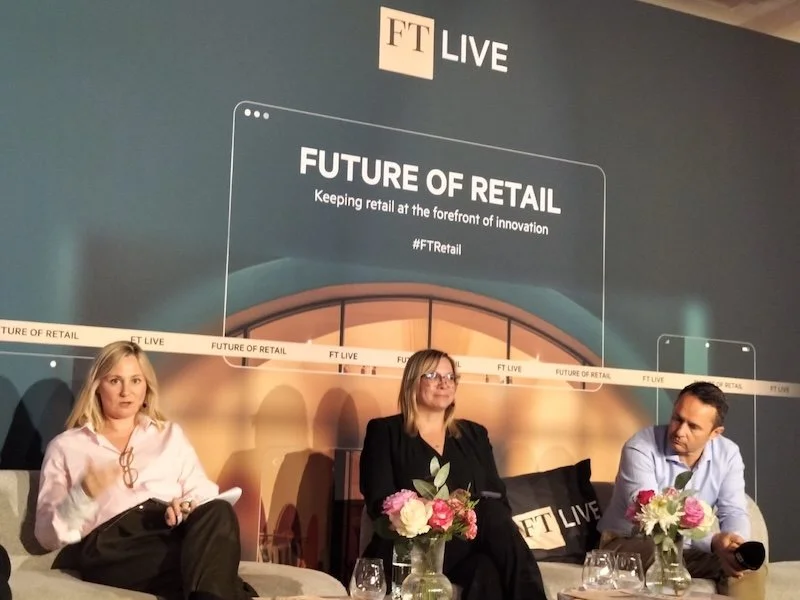
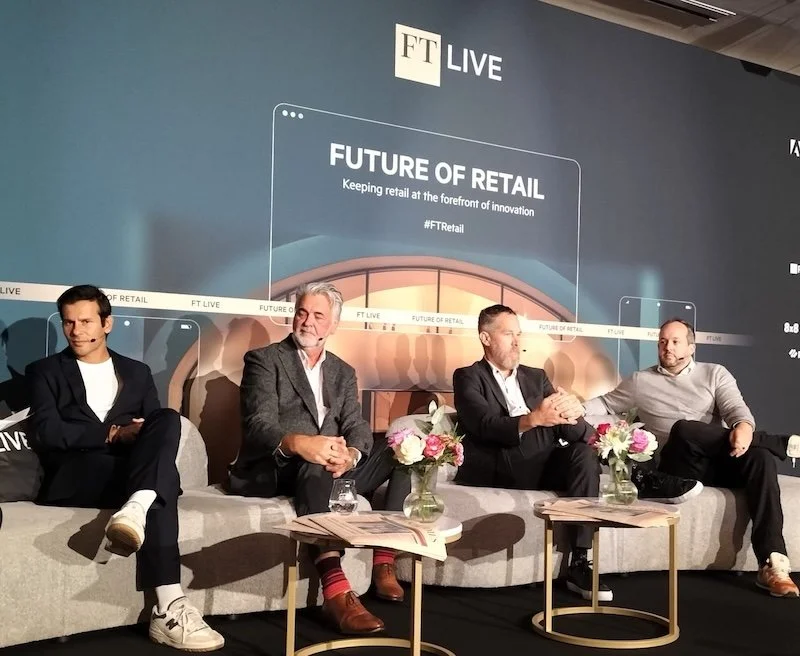
“The economics of content generation have come down by 20-40% due to AI,” said Gemma Carver, Head of Consumer Industries EMEA, Digital Strategy Group at Adobe, during an FT Live 2026 Future of Retail discussion panel focused on operational efficiencies, which also featured Kingfisher and Lululemon’s ex-CIO, Julie Averill.
“We’ve got retail clients that have put together briefs in three days, compared to the 38 days that it previously took, thanks to AI tools,” said Carver in London on 6th October at the FT Live event.
If you’re putting together a seasonal fashion line, AI can help you with the ordering, shipping and promotion of it in terms of delivering operational and cost saving efficiencies. This can positively impact retailers’ bottom lines if the technology is deployed well. “We’re currently working with a huge well known beverage company that have cut a procedure from six weeks down to eight days, thanks to AI,” added Carver.
She was joined on the discussion panel by Romain Roulleau, Group Digital and E-Commerce Director at Kingfisher, which owns DIY brands, such as B&Q and Screwfix in the UK, and Castorama in France. Its AI tools have previously been covered by RTIH, including a B&Q recommendation engine that is already delivering better conversion rates and £100 million in extra revenue.
“The Spirit personalisation engine was an early win for us,” said Roulleau, who explained that Kingfisher has been tapping AI for the past three to four years. “I’ve been in retail for 25 years and more, including when online and mobile-based commerce first arose,” he added. “I’ve never seen a new technology and channel rise more significantly and faster than AI commerce, which is the new frontier.”
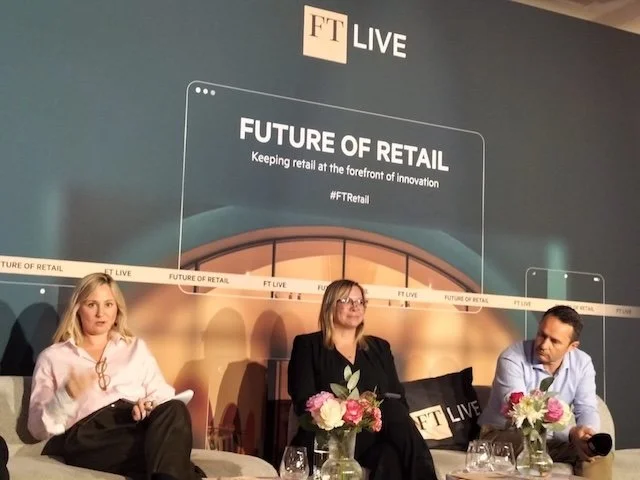
That is interesting but AI in its agentic form is still in its early days, as the panel in London that included Meagan Sobol, Chief Product Officer at Zipline, admitted.
AI is already deployed at numerous retailers in its generative AI, machine learning and various other guises, finding efficiencies and revenue streams via better customer targeting. Roulleau listed how Kingfisher uses it: Personalisation: via its aforementioned Spirit recommendation engine that has driven a £100 million revenue uplift; Pricing and markdown promotions: “We’ve seen a 15% margin improvement due to better markdown promotions,” he said; Digital marketplaces: Kingfisher is aiming for 30% of its business in this segment in future and is already building its ecosystem linkages, explained Roulleau, while stressing getting your product descriptions right to aid discoverability is vital.
Peopleand data need to align to get good AI roll-outs
Julie Averill, former CIO at lululemon where she helped it grow to become a $10 billion business, and now a boardroom advisor that uses the additional knowledge she has from leading Nordstrom’s omnichannel and digital transformation, joined the panel via live video link. “You’ve got to get the data right to get good AI deployments,” she agreed, while adding that people are vital too.
“So many people are afraid of AI. But if your employees aren’t onboard then any roll-out will not work,” said Averill, addressing the elephant in the room that staff fear for their jobs. “You need to get them onboard and explain that it’ll free them up to do other things. Otherwise, they might sabotage a roll-out.”
According to Adobe’s Carver, the importance of brand strength shouldn’t be forgotten either in the coming AI driven commercial revolution where agents may negotiate prices for collectivised consumers and automated machine-to-machine (M2M) payments could offer enhanced convenience, if a trusted and secure environment can be carved out.
Trust and brand strength are crucial
“All of this will be table stakes eventually once everyone has got AI (including on operational end uses),” said Carver. “In that world it is your brand that is the unique selling point.”
Fellow panellist, Meagan Sobol, Chief Product Officer at Zipline, stressed that trust was also vital in the AI era, both in recommendation engines and in transactions. “We have 70+ clients that have already rolled out AI assistants and other tools. But they only work if you’ve got trust,” she said. This applies to consumers and internal staff adoption equally.
“With trust, then AI adoption can follow,” concluded Sobol. “Without that, then it is just another solution.” In other words, the full benefits won’t flow unless you full buy-in and security, governance, data control and mastery, whatever the envisaged end use of the technology.