
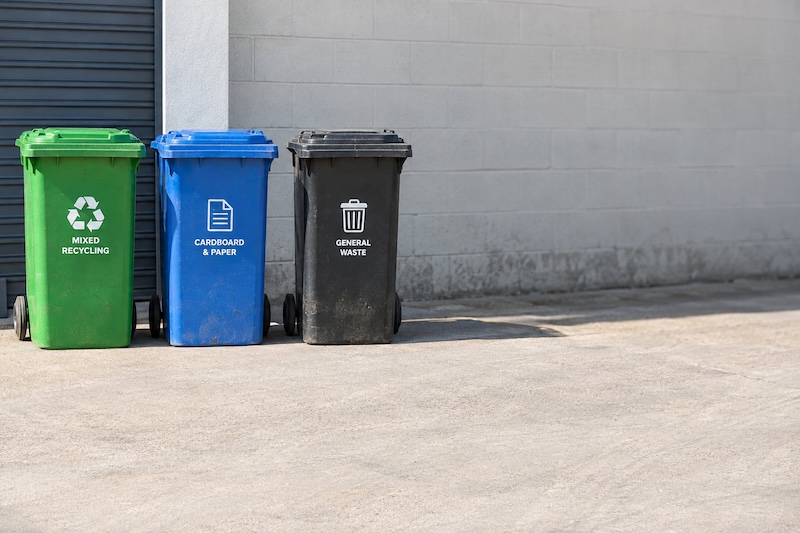
Independent stores are increasingly looking for ways to minimise operating costs as 2027 approaches. Managing waste can be a significant expense for small retailers, but there are practical steps shops can take to keep bills under control.
By reviewing bin size, sharing waste services, and annually assessing contracts, shop owners can improve efficiency and prevent unnecessary charges.
Cutting waste bills has become a top priority for many independent shops, especially as costs continue to rise. Small changes in waste management can make a big difference to a shop’s bottom line. Key strategies include right-sizing waste bins and collections, sharing services with nearby businesses, preventing overfill and contamination fees, and checking contract terms regularly. With options for flexible contracts and transparent pricing, shops can avoid financial surprises and keep waste management both simple and cost-effective. Regularly assessing retail waste managementarrangements is essential for making sure shops only pay for what they need in 2027 and beyond.
Right-sizing bins and collection schedules
For many shops, one of the fastest ways to reduce waste bills is to check whether their current bin sizes and collection frequency match actual waste volumes. Bins that are too large or collected too often can result in excess charges for unused capacity, while bins that are too small or emptied infrequently may lead to costly overfill penalties. Reviewing recent waste patterns can help shop owners adjust to the right service level.
Using accurate data to match bin types and collection days to busy trading periods ensures efficient waste handling. Shops can work with their provider to trial different sizes or change collection frequency as business needs shift. Regular reassessment prevents paying for more service than necessary and also keeps shops in line with local compliance requirements.
Collaborating with neighbouring businesses
Independent retailers located near each other often face similar waste management challenges. Sharing waste services, such as joint bin collections, can help neighbouring shops split costs and reduce individual bills. These shared arrangements also make collections more efficient, cutting down on the number of truck visits to the same area.
By documenting responsibilities and ensuring everyone understands rules for bin use and contamination, shops can avoid disputes and keep charges predictable. Digital recordkeeping makes it clear which shops have used which bins and which are responsible for contamination, preventing unexpected fees and supporting transparent service agreements among participants.
Preventing charges and optimising performance
Overfill and contamination charges can quickly push waste bills higher than expected. Shops can reduce these charges by educating staff on correct segregation, regularly checking bin levels, and acting quickly if a bin is near full. Many waste providers now offer alerts or digital dashboards that notify shop owners when a bin is full or if there’s a risk of contamination.
Annual reviews are also key to controlling costs. By looking at service records, noting recurring issues, and benchmarking different providers, shops can adapt their contracts to match real needs. Often, comparing waste management quotes once a year can save more than you’d expect. Clear audit trails and documented performance make it simpler for shops to negotiate better deals or update arrangements.
Choosing a flexible and transparent provider
Finding the right waste management partner can deliver long-term savings and operational simplicity. Shops should look for providers offering flexible contracts that accommodate changes in bin size, collection frequency, and business growth. Transparent pricing is essential, so that shops can easily see how charges are calculated and what services are included.
Good providers will also support digital recordkeeping, enabling easier contract reviews and quicker responses to billing or compliance questions. This approach gives independent shop owners confidence in their waste arrangements and helps ensure that costs are always aligned with actual usage, allowing shops to focus on their core business in 2027 and beyond.



Comments (0)
No comments yet.