Using woven wire mesh in partition walls and fitouts
Open plan offices looked like the future for years, but the mood has shifted. Businesses now want spaces that feel open yet still give people room to focus. Woven wire mesh sits right in that sweet spot. It divides a space without closing it off, letting light and air pass through while adding a clean, industrial edge that designers keep coming back to.
From office fitouts to retail units and hospitality venues, mesh has become a go-to material for partition walls. Here is why it works so well and where it fits best.
What Makes Woven Wire Mesh Right for Interiors
Woven wire mesh is made by weaving metal strands into a repeating pattern, much like fabric on a loom. The weave can be tight and fine or loose and open, which gives designers a wide range of looks from a single material.
That flexibility is the draw. A tight weave reads as a subtle screen, softening a view without hiding it. An open weave makes a bold graphic statement across a room. Both let light through, which keeps interiors bright and stops partitions from feeling like solid barriers.
Metal also lasts. Unlike timber or plasterboard, mesh will not warp, chip, or date quickly. It handles heavy footfall areas well and needs little upkeep, which suits busy commercial spaces.
Materials That Set the Tone
The metal you pick shapes the whole feel of the space. Stainless steel gives a crisp, modern finish that works in almost any setting. Brass and bronze bring warmth and a touch of luxury, ageing into a soft patina that many interior designers prize. Copper adds colour and character, shifting tone over time.
Each metal carries its own personality, so the choice comes down to the look you are chasing and the budget you have to work with.
Where Mesh Partitions Work Best
Woven wire partitions earn their place in a wide range of settings. The material bends to the brief rather than forcing one style.
Office Fitouts
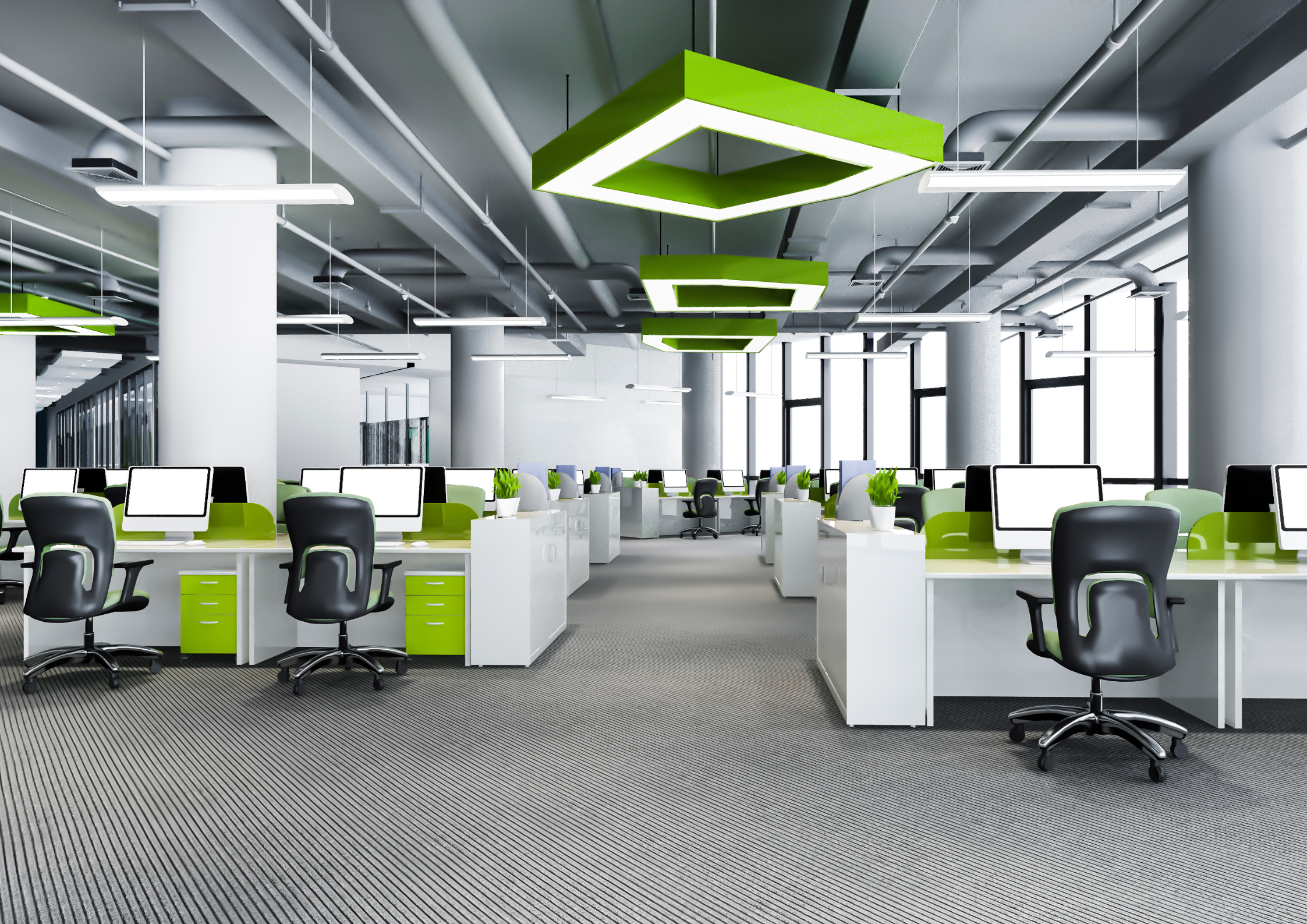
In offices, mesh partitions break up floor plates without killing the sense of space. They can screen meeting rooms, mark out breakout zones, or wrap a staircase, all while keeping sightlines open. Teams still feel connected, but everyone gets a little more definition to their patch.
Retail and Hospitality
Shops, bars, and restaurants use mesh to guide people through a space and frame key areas. A mesh screen behind a bar or around a seating booth adds texture and a hint of glamour, especially in brass or bronze. It also stands up to the wear and tear these venues throw at it.
Feature Walls and Balustrades
Beyond partitions, mesh makes a striking feature wall or balustrade infill. Stretched across a frame, it catches light and casts soft shadows that change through the day. It turns a plain surface into something worth looking at.
Function as Well as Form
Mesh partitions look good, but they pull their weight in practical terms too. The open structure lets air move freely, which helps with ventilation and stops zones from feeling stuffy. Light passes through, cutting the need for extra fixtures in screened areas.
Security is another draw. In settings that need controlled access, a robust mesh screen keeps areas separate without walling them off. This makes it a smart pick for storage zones, plant rooms, and technical spaces.
Data Centres and Technical Spaces
Some environments demand a tougher spec. In data centres, mesh does more than divide space. It creates secure cages and enclosures that protect equipment while allowing the airflow these rooms rely on to stay cool. Purpose-built data centre mesh offers strength and ventilation in one, which is why it has become a standard choice for server halls and cabinet enclosures.
Getting the Specification Right
A mesh partition is only as good as its detailing. The weave pattern, wire thickness, frame design, and fixing method all shape how the finished piece looks and performs. A fine weave in a delicate frame suits a boutique interior. A heavier gauge in a sturdy frame suits a warehouse or plant room.
Thinking about these choices early saves headaches later. The right woven wire mesh matched to the right frame gives a partition that looks sharp and holds up for years.
A Material With Space to Grow
Woven wire mesh has come a long way from its industrial roots. Today it bridges the gap between open and closed, practical and beautiful. As more designers look for materials that divide space without shutting it down, mesh keeps finding new places to shine. Whether the brief calls for a subtle screen or a bold statement wall, it gives interiors both structure and style.