Retail analytics platform buyer's checklist: features that matter in 2026
Retail margins are tighter than ever, and the gap between chains that thrive and chains that struggle increasingly comes down to one thing: how fast a business can turn raw sales data into a decision. Analytics platforms have moved from a "nice to have" reporting layer to the operational backbone of modern retail, driving everything from replenishment to staffing to pricing.
But the retail analytics market is crowded, and vendors tend to describe their tools in nearly identical language. Below is a practical checklist of what actually separates a platform that gets used every day from one that quietly turns into shelfware.
1. Real-Time Data, Not Just Historical Reporting
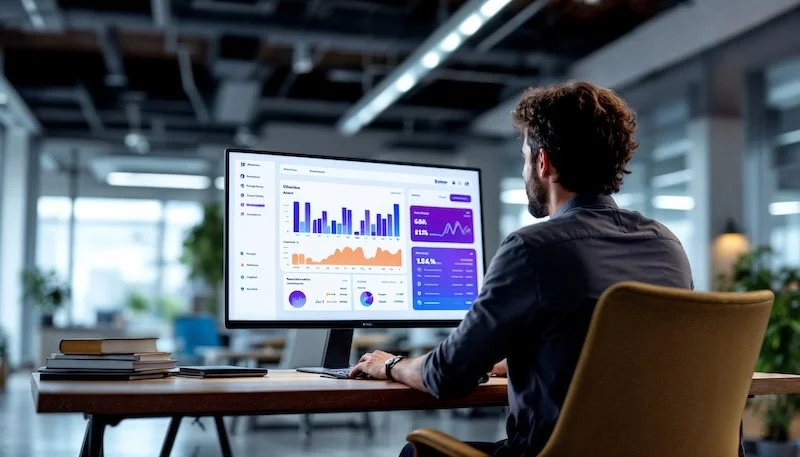
A platform that only tells you what happened last week is a dashboard, not a decision-making tool. In 2026, retailers need visibility into what's happening right now - stock levels, sales velocity, and anomalies - so teams can act before a stockout or a pricing error costs revenue. The strongest platforms don't stop at showing a number; they surface the causal layer underneath it - which store, category, or promo date is actually driving the change - in the same view, without a separate query.
What to check:
How frequently does data refresh (real-time, hourly, daily)?
Does the platform flag anomalies automatically, or does someone have to go looking for them?
Can store managers see live performance without waiting on a corporate report?
2. Native POS and ERP Integration
An analytics platform is only as good as the data feeding it. Manual exports, CSV uploads, and custom middleware all introduce delays and errors - and they quietly kill adoption because someone has to maintain them. Look for a platform built around a retail-specific data structure - stores, categories, receipts, inventory balances, promotions, suppliers - so there's no translation layer for your team to build or maintain.
What to check:
Does the platform offer pre-built connectors for the ERP and PoS systems you already run, rather than requiring custom middleware for each one?
How long does implementation typically take for a chain your size? (A realistic range is one to two months, sometimes faster for chains with clean data.)
What happens when a new store or till system gets added - is onboarding fast or a project in itself?
Is data transfer automated on a set schedule, with alerts if a load fails, or does someone need to trigger it manually?
3. Inventory and Demand Forecasting
Overstock ties up cash; understock loses sales. Predictive forecasting has become one of the highest ROI features in retail analytics, and it's increasingly table stakes rather than a premium add-on. The most useful platforms don't just report turnover after the fact - they track the trend and point to the root cause of a fluctuation, whether that's a shifting seasonal pattern or a supplier delivery gap, before it turns into a stockout.
What to check:
Does the platform forecast demand at the SKU and store level, or only in aggregate?
Can it account for seasonality, promotions, and local trends automatically?
Does it generate actionable replenishment recommendations, or just charts?
Does it flag the cause of a stock issue (supplier delay, demand spike, pricing change), or only the symptom?
4. Actionable Insights, Not Just Dashboards
There's a meaningful difference between a platform that displays data and one that tells you what to do with it. The retail analytics tools delivering the strongest ROI in 2026 move past observation into prescription, pointing to a specific next step, whether that's rethinking a slow moving category's product mix, timing an order ahead of a demand spike, or catching a promotion that's quietly eating into margin.
Platforms such as the Datawiz retail analytics platform build toward this - recommendations are shaped by a chain's own sales and inventory patterns, with the reasoning behind each one laid out rather than hidden, so a manager can see why a suggestion was made and not just take it on faith.
What to check:
Does the platform generate specific recommendations, or only visualisations?
Is the reasoning behind a recommendation visible, or is it a black box?
Can insights be routed directly to the relevant team (merchandising, ops, marketing)?
Is there a feedback loop to measure whether recommended actions actually improved outcomes?
5. Anomaly and Deviation Monitoring
Shrinkage, discount abuse, and inventory discrepancies remain some of the most persistent drains on retail profitability, and much of the loss is preventable with the right monitoring. Look for a platform that lets you set rules around key metrics and notifies the right person automatically the moment something drifts outside expected boundaries, rather than relying on someone to notice it in a report.
What to check:
Can you configure custom alert thresholds for the metrics that matter most to your business?
Are notifications routed to the right person automatically, or does someone have to check a dashboard?
Is there a clear audit trail so anomalies can be investigated after the fact?
6. Usability for Non-Analysts
The best analytics platform is worthless if only the data team can use it. Store managers, category leads, and merchandisers need answers without submitting a ticket to IT.
What to check:
Can non-technical users build their own views, or is everything locked behind pre-built reports?
Is there a mobile experience for store-level staff?
How steep is the learning curve during onboarding?
7. Scalability Across Locations
A platform that works well for five stores can buckle under fifty. Growing chains need infrastructure that scales without a full re-implementation every time they open a new location or enter a new market.
What to check:
Is the platform cloud-native, and does pricing scale predictably with store count?
Can it handle multi-region or multi-currency operations if you're expanding internationally?
What's the vendor's track record supporting chains of a similar size to yours?
8. Security, Compliance, and Data Transfer
As analytics platforms touch more of the business - sales data, customer behaviour, supplier terms - security can't be an afterthought, especially for data that moves from your operational systems into a third-party platform.
What to check:
Where is the data hosted, and does the provider hold a recognised security certification for its infrastructure?
How is data protected while it's moving between your systems and theirs - is it encrypted end to end, and does your own database stay behind your infrastructure rather than being exposed directly?
Is every data transfer logged, so you can trace a discrepancy back to its source?
What's the vendor's incident response process if something goes wrong?
Final Thoughts
Choosing a retail analytics platform isn't about finding the tool with the longest feature list - it's about finding the one that fits how your teams actually work, integrates cleanly with your existing systems, and turns data into decisions fast enough to matter. Run any shortlist of vendors through this checklist, and the platforms that just talk about "insights" will separate quickly from the ones that actually deliver them.