The ten best Christmas jumper ideas boosting online sales this season
The winter shopping period gives online stores a chance to grow their revenue. Each year, shoppers buy new clothing for holiday gatherings, family meals, and work events. This makes festive knitwear a consistent source of income in the last months of the year.
Store owners need to carry the right products to meet this demand. Buyers change their minds quickly, switching from old style patterns to funny or interactive ideas. This article looks at ten trends in festive clothing that get the most sales and web searches right now. When you know these trends, you can plan your stock and marketing better to make more money.
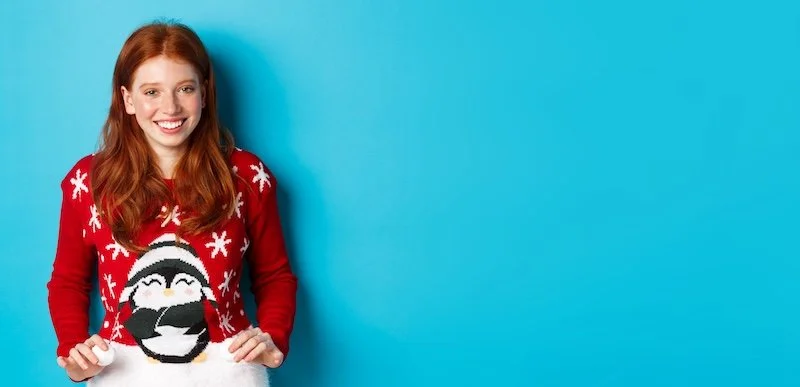
If you want to see some good examples of holiday clothes that sell well, check out the collection of Christmas jumper at SillySanta to see how these designs look in real life.
1. Light-Up and LED Integrated Knitwear
Clothing with built-in LED lights is performing well in online retail. These tops use small batteries and hidden wiring to illuminate parts of a printed image, such as a tree or an animal face.
For retailers, these products support higher price points because they appear more premium. They also photograph and film well, which makes them suitable for short-form video ads on platforms like TikTok or Instagram.
To reduce returns and complaints, product pages should include clear care instructions. The electronic parts need to come out easily or stay completely waterproof so customers can wash the clothing without breaking the lights.
2. Interactive and Gaming Concepts
Interactive clothes turn a normal piece of clothing into a game. These designs use things like velcro patches, removable parts, or party games printed right on the wool.
For example, some popular tops have a dartboard on them so friends can throw small velcro balls at the person wearing it. Young buyers and people looking for party gifts love these ideas.
Retailers benefit from these products because customers often record themselves using the interactive features. The resulting videos get posted online, which generates organic exposure and demonstrates the product in use.
3. Pop Culture and Movie Nostalgia
Tops featuring well known film characters or older television shows sell quickly each winter. Buyers are drawn to references from their childhood or from current popular media, and that connection leads to purchases.
Effective themes include quotes from 1990s comedies, classic animated characters in winter accessories, or figures from recent hit productions. Combining pop culture references with seasonal imagery helps target specific fan groups.
Using these images requires legal permission. Selling designs that include copyrighted material without a license can result in legal action and store closure.
4. Funny and Sarcastic Slogans
A portion of holiday clothing buyers are motivated by humor. Tops with jokes, puns, or ironic phrases about seasonal stress sell consistently to shoppers who have no interest in traditional patterns.
Text that mirrors internet humour performs best with younger demographics. These designs tend to be visually simple, relying on text rather than detailed graphics, which keeps production costs low.
You can test different jokes quickly by using a print-on-demand supplier. This way, you do not pay for stock upfront and only make more copies of the designs that people actually click on.
5. Retro 80s and 90s Neon Aesthetics
Not everyone wants normal red and green clothes. Bright neon colours modelled after 1980s and 1990s ski clothing attract buyers who want to stand out at winter events. These designs use geometric shapes and colors like pink, blue, and yellow.
This style works for people who want to stand out at winter parties or festivals. The bright colours look very different from normal winter clothes, so they pop out immediately on search pages.
When you market these clothes, focus on the vintage ski look. Selling them together with matching items like bright sunglasses or warm hats is a good way to get people to spend more money.
6. Sustainable and Recycled Materials
Environmental considerations now affect purchasing decisions during the holiday season. A growing segment of buyers specifically looks for seasonal clothing made from organic, sustainable, or recycled inputs.
Standard low cost festive garments are typically made from synthetic acrylic, which produces plastic waste. Stocking alternatives made from organic cotton or recycled polyester opens up a segment of buyers who are prepared to spend more on products with a lower environmental impact.
Sustainability certifications should be displayed clearly on product listings. Including material sourcing details in ad copy builds credibility and separates the store from competitors focused on volume-based fast fashion.
7. Matching Family and Couples Sets
The demand for matching family clothes goes up fast right before the holidays. Families, couples, and even pet owners buy the same patterns so they can take photos for holiday cards.
Online shops can make more money here by adding bundling options to their websites. If a customer can buy sizes for adults, kids, and dogs from one page, they will buy more items at once.
Your ads should focus on family comfort and togetherness. Showing photos of a whole family wearing the matching tops helps buyers imagine doing the same thing in their own homes.
8. 3D Elements and Appliqué Designs
Items with 3D elements stand out more than standard printed designs. Common features include plush noses, fabric scarves, pom-poms, or tinsel trim attached to the sleeves.
These details photograph well and attract attention in online listings. Because the texture gives the product a higher-end appearance, the price point can be set above that of a basic printed sweatshirt.
Quality control matters here. Factories must attach these elements securely so they do not come loose during washing. Size charts should also account for the added weight and bulk that these attachments create.
9. Minimalist and Scandi-Style Knits
Some shoppers dislike loud or funny clothing. There is a large market for quiet, elegant designs based on Scandinavian styles and traditional winter patterns.
These items use simple shapes, snowflakes, and calm colors like grey, cream, navy, or brown. The best part about these simple designs is that people can wear them all winter long, not just on Christmas Day.
Position these items as long lasting, high quality clothes. Focusing on the warmth, fabric quality, and classic style will help you sell to older buyers and practical shoppers.
10. Sports Team and Club Theme Designs
Combining sports team gear with holiday clothing is a reliable way for online shops to increase profits. Items that use the official colours, logos, or slogans of major football, rugby, or basketball teams sell well every year.
Supporters like to wear their team's colours during winter games, which makes these items good gifts. Shops can reach the right buyers by using targeted digital ads that show team specific designs to people living in those teams' home cities or areas.
Just like with movie themes, you must get official permission to use logos or use general, fan-based colour schemes that do not break any laws. Using high quality stitching or woven logos is important to ensure the final product is good enough for real fans.
Conclusion
The holiday clothes market gives online businesses a great way to boost their winter sales. To do well, you need a mix of stock that fits different tastes, from high tech light up tops and jokes to green fabrics and simple winter styles.
If you study what people search for and write clear details about sizes and materials, you will get fewer returns. Using tricks like family bundles and video ads for game tops will help your online shop get the best results this season.