Sephoria London was a brilliant day out, but did paying beauty fans get what they were promised?
RTIH's Secret Shopper heads to the first UK SEPHORiA and finds brilliant vibes, big queues and a beauty event that did not always live up to the hype.
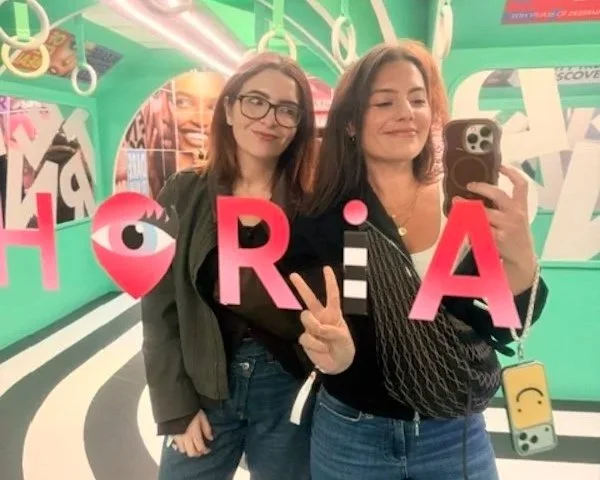
SEPHORiA London is going to be a slightly awkward review to write because Secret Shopper Bestie and I had a brilliant time. The atmosphere was fantastic, the venue looked amazing, we discovered products we now want to buy and came home with a very respectable amount of beauty loot. Step away from our own day, though, and look at the event as a £95 experience for paying Sephora customers, and there is quite a lot to unpick.
For anyone who has somehow missed the SEPHORiA phenomenon, it is essentially Sephora turned into a beauty festival: brands, new products, masterclasses, games, makeovers, activations and the now-famous goody bags all packed into one event. It first launched in Los Angeles in 2018 and has since grown into an international format, building a fairly legendary reputation among beauty fans along the way, particularly because of the huge hauls that come out of the US editions. London marked the first time SEPHORiA had landed in the UK, so there was a lot riding on whether the British version could live up to what we had all been watching online for years.
Demand was ridiculous. Tickets disappeared almost instantly, with several three-hour sessions running across Friday and Saturday, plus an exclusive Gold member session.
Annoyingly, when tickets went on sale, I was 86 points away from Gold status. Eighty-six points between me and that Gold session was particularly painful, although I am happy to report that I have now finally made it, so next year I will be watching that ticket release very closely.
For this one, though, I joined the general ticket scramble, paid £95 and attended the Saturday 12pm to 3pm session with Secret Shopper Bestie. There was no press invite, no special access and nobody at the event knew I was reviewing it, so everything that follows is based on the same experience any other paying customer could have had.
Given my long-standing Sephora obsession, expectations were already fairly high, and what we saw coming out of the event before our session pushed them considerably higher.
Influencer night had us expecting beauty Disneyland
The Thursday preview filled TikTok and Instagram with creators, influencers and press wandering around what looked like a beautifully spacious venue. They seemed able to move between brand stands without the enormous queues that would later dominate the public sessions, while showing off some seriously impressive gifts along the way.
There were full-size products, multiple products from individual brands and even fragrances people said had not yet launched. The haul videos afterwards looked incredible and, by the time Secret Shopper Bestie and I headed into London, everything we had seen suggested this was going to be another level.
The paying-customer experience turned out to be much more mixed, although that is not to say people received nothing. We came home with a decent goody bag, picked up products from several brands and found plenty of things worth talking about afterwards, but there was a noticeable difference between what had been shown online and what many customers actually encountered once the public sessions began.
At some stands, where preview attendees had appeared to receive full-size products, paying visitors were given minis or tiny samples. Other brands required customers to win a game before receiving anything substantial, while some handed out the sort of product you might normally expect to receive free with an online beauty order.
Marc Jacobs became one of the more surreal examples discussed online after attendees reported queueing only to receive a pencil sharpener. Some Fenty visitors thought they had been given a mini product before opening the packaging and finding sweets inside. None of that would necessarily be outrageous at a free event, but at £95 a ticket, after watching the influencer preview the night before, it inevitably lands differently.
Did SEPHORiA actually need influencers to sell SEPHORiA?
The influencer conversation is probably one of the most interesting parts of the whole event because I do not think the answer is simply that Sephora should stop inviting influencers. Creators are part of beauty marketing, brands give them products in return for content and exposure, and there is nothing particularly unusual about holding a preview for press and creators before a consumer event opens.
But SEPHORiA had already sold out, with people desperate for tickets before influencer night had even taken place. Sephora did not particularly need creators to persuade customers to attend because there were no tickets left to sell.
What it did have was thousands of extremely enthusiastic paying beauty fans who were about to create their own content whether Sephora had asked them to or not. That is where the strategy starts to look a little like an own goal, because those customers could have become some of the event’s most persuasive advertising.
Had they walked out feeling completely spoilt, talking about brilliant products, easy access to brands and an event that exceeded expectations, TikTok would have done the rest. Hundreds of ordinary customers saying, “You have to go next year,” after spending their own money carries a very different sort of weight.
Instead, a lot of the viral content afterwards focused on the difference between influencer night and the public sessions. Even some of the more positive reviews came with caveats about queues, stock, samples or the difference between what creators had received and what paying customers found.
One comment I saw summed it up particularly well, with the attendee saying the products she received probably would have seemed perfectly fine had she not spent the previous day watching influencers show off unreleased and full-size products online. The public event did not suddenly become bad because influencers received more, but the preview had effectively become the advertisement for an experience many customers then felt they did not receive.
Three hours goes very quickly when you are queueing for everything
Once inside, the biggest practical issue was obvious: the queues. Secret Shopper Bestie and I had gone in with a plan, with brands we definitely wanted to visit, others we would try if the queue looked sensible and a few we were prepared to sacrifice if necessary.
Even with that strategy, there was no chance of seeing everything. YSL was one of the casualties because the queue seemed permanently enormous, and after checking back a couple of times we eventually accepted that it simply was not going to happen.
Online, plenty of other attendees had similar stories. Some said they waited 30 or 40 minutes only to be turned away because an activation was ending, while others reported queues being closed well before the end of their ticketed session.
People attending later on Saturday also complained that some stands had already run low on products or run out entirely. One attendee said brands were already running short during our 12pm to 3pm session and felt sorry for anyone coming afterwards, while visitors to later slots posted about finding certain products gone very early into their own session.
That is something Sephora needs to look at very carefully next year because everybody has paid for the same event. Someone entering during the final session should not feel as though they have bought access to whatever happens to be left after earlier groups have gone home.
There were also complaints about queue management and security, with some attendees saying they were prevented from joining lines 40 minutes or more before closing. Experiences clearly varied, but the same themes appeared often enough online that they are difficult to dismiss as isolated bad luck.
Hourglass proved why the whole concept can work brilliantly
Ironically, one of the longest queues we did join resulted in one of my favourite parts of the day. Hourglass was busy and only a small number of people appeared to be working on the stand, while the activation itself involved actually having some makeup applied rather than simply collecting something and moving on.
On a three-hour ticket, that setup could easily become frustrating, but the woman who looked after me was fantastic. She applied one of the Hourglass blush and highlighter palettes, talked me through what she was doing and made it look so good that I immediately decided I needed it, so Mr Secret Shopper should consider this his warning that the Christmas list is incoming.
That activation did exactly what these events should do. Hourglass did not just put a free product into my hand; the team got the makeup onto my face, showed me why I might want it and almost certainly secured a future sale as a result. We also came away with a lovely travel-sized Hourglass gift, so there was something tangible to keep trying at home rather than the experience ending the moment we left the stand.
The only issue is how that type of interaction scales when every person needs several minutes with a member of staff and only a handful of people are working on the stand. Next year, I would love to see those longer consultations made optional, allowing customers who want the full experience to have one while people who already know the brand or simply want a quicker introduction can move through at a faster pace.
Plenty of brand teams absolutely nailed it
It would be unfair to make SEPHORiA sound as though every stand was chaotic or disappointing because that was not our experience at all. Makeup by Mario was great, Summer Fridays was great, Erborian had staff who were happy to talk properly about the products and Sephora’s own team were friendly and enthusiastic.
Hourglass, as mentioned, sold me something I had not even planned to buy, which is probably the ultimate compliment at a beauty event. Most of the people we dealt with were warm, knowledgeable and clearly happy to be there.
Glowery deserves a particular mention too. It was one of the brands that seemed to build real momentum during the public sessions, with its quick grab-style activation and worthwhile products being talked about online afterwards. That is exactly the sort of organic reaction I mean when I talk about paying customers becoming the marketing: people discovered the brand at SEPHORiA, liked what it was doing and started telling everybody else to go there.
Charlotte Tilbury was more mixed. Two women working on the stand continued talking to one another when I approached and did not acknowledge me, which was disappointing, but the man who eventually helped me was lovely and could not have been more helpful.
Interestingly, the online comments showed just how inconsistent those individual experiences could be. Other attendees praised Charlotte Tilbury staff and said they had received plenty of samples, while completely different opinions appeared about other brands depending on the session.
That probably explains some of the polarised reaction to SEPHORiA. There was no single version of the day because your three hours depended heavily on your time slot, which queues you chose, what stock was left and even which person happened to be standing behind the counter when you arrived.
Let the games be fun, not another hurdle
I am very pro silly beauty game, so give me a wheel to spin, something to grab, a button to press or some ridiculous challenge and Secret Shopper will probably participate. The problem comes when a fun activation becomes another barrier between the customer and the product.
At some stands, people needed to queue, take part in a game and then win before receiving anything substantial. Elsewhere, several minutes of product education or activity were effectively compulsory before you could move on.
That works brilliantly if you have all afternoon, but it is much harder to justify when the ticket gives you three hours and dozens of brands are competing for the same limited time. Games should make the experience more entertaining rather than becoming another reason a queue stops moving.
Glowery was a good example of getting the balance right. Its activation was quick, there was something worthwhile at the end of it and word spread, which meant a brand that had been much less familiar to some attendees suddenly had people actively seeking it out.
The people paying to attend SEPHORiA are already highly engaged beauty customers. Give them something exciting to take home, let them try it properly and there is every chance that a free product becomes a future purchase.
The vibes, though? Immaculate
For all the criticisms, the atmosphere was probably my favourite part of the whole event. Secret Shopper Bestie and I compared it to being at Taylor Swift, not because anybody suddenly launched into All Too Well beside the Rare Beauty stand, but because there was that same feeling of being surrounded by people who were all extremely excited about the same thing.
There were groups of friends, mums and daughters, couples, younger beauty fans, older beauty fans and people from all sorts of backgrounds. It felt inclusive, happy and very welcoming, which is something SEPHORiA absolutely deserves credit for.
Despite the monster queues, nobody around us was pushing, snapping or arguing. People chatted to strangers, compared what they had picked up and told each other which stands were worth visiting, which gave the whole event a very friendly atmosphere even when everyone was watching the clock.
The venue itself looked fantastic too. The London theme worked, the different areas made it feel like an actual experience rather than a trade show, and everything had been designed to photograph well without feeling completely soulless. For atmosphere alone, SEPHORiA gets five stars from me, and whatever else needs work next year, I would not want Sephora to lose that feeling.
Masterclasses versus three precious hours
There were also masterclasses, and by all accounts some of them were excellent, but we did not do any. It was not through lack of interest; the problem was simply how much of our limited session one would consume.
If you are encouraged to arrive around half an hour before a half-hour class, that can take up roughly a third of a three-hour ticket. When Hourglass, YSL, Makeup by Mario, Rare Beauty and dozens of other stands are all competing for those same three hours, it becomes very hard to justify.
A longer session would change that completely. At the moment, attendees are effectively forced to choose between doing the programmed content properly and getting around enough of the brand activations.
Food, drink and somewhere to sit would not go amiss
Food and refreshments were fairly limited too, with a matcha bar that was excellent news if you happen to love matcha. Punchy was also handing out its hydration drinks, and this was one of those smaller bits of product discovery that worked on me immediately because Secret Shopper Bestie and I enjoyed them enough to go back for another.
They also came home in the haul, alongside Jimmy’s Iced Coffee, and Punchy is now firmly a brand I would buy again. That is another very simple example of why giving people something useful to try can be more effective than overcomplicating an activation.
Beyond that, there was not a huge amount in the way of food and drink. To be fair, nobody wants to spend half of SEPHORiA queueing for lunch, but a little more food, water and obvious seating would make the event easier, particularly for anyone who cannot comfortably stand for several hours.
There were areas where people could take a break and a wellbeing element for visitors finding the busy environment overwhelming, which was a really positive inclusion. Next time, I would simply make those quieter seated spaces even more obvious and plentiful.
My goody bag was good, but Secret Shopper Bestie’s was completely different
Now to the part everybody wants to know about: the goody bag. Mine was good, with products I was very happy to receive, things I wanted to try and enough in there that I did not come home feeling £95 poorer and furious.
There were some really nice products mixed through it too. Mine included Shiseido Ultimune Power Infusing Serum, a full 30ml bottle of Le Monde Gourmand Fleur de Blonde, Olaplex haircare, Aestura skincare and products from the likes of Summer Fridays, Glow Recipe, Makeup by Mario, Hourglass and Sephora Collection. There were plenty of minis, but there were also products substantial enough to actually use for a meaningful period rather than one application before throwing the sachet away.
Secret Shopper Bestie and I then emptied our bags and realised they were completely different. Her haul included Huda Beauty, Saie, Fenty Beauty, Laneige, Hourglass, Natasha Denona and plenty more, and suddenly the fun surprise element became slightly irritating because we immediately started comparing.
There were things in her bag I would have happily stolen, and vice versa.
That variety is not automatically a bad thing. There is something quite fun about seeing which version you got, and between our two bags there was an impressive spread of brands. The problem comes when some of the differences relate to products people were specifically expecting.
Erborian was particularly frustrating because there was a new product I wanted to test. Someone on the stand told me they were not giving it out there because it would be in the goody bag, so naturally I expected to find it when we got home.
It was not in mine or Secret Shopper Bestie’s, while other people posting online had received it. I can cope with bags containing slightly different products, but if a brand representative tells a customer that something will be waiting for them later, it really needs to be waiting for them later.
Next year, I would also make sure the different versions feel broadly equivalent. They do not need to be identical, but nobody should open TikTok afterwards and feel as though they somehow drew the short straw.
The haul also proves why sampling still works
Going through everything afterwards also softened some of my frustration with the event because there was a lot there that I probably would not have picked up myself.
A Shiseido serum, a Le Monde Gourmand fragrance, products from Aestura and Yepoda, various lip products, skincare and haircare all suddenly became things to test over the following weeks. Even among the smaller items, there were brands I had either never tried or had been meaning to explore.
That is the bit of SEPHORiA brands should lean into much harder.
The point is not necessarily to give everybody the most expensive full-size product on the stand. It is to give people enough of something, or enough of an experience with it, that they actually form an opinion.
A tiny sachet that gets used once may disappear from memory within 24 hours. A decent travel size, an interesting mini or a product someone can properly incorporate into their routine has a much better chance of becoming a sale.
Our haul proves that the model works because there are already products from the event I am planning to keep using, buy in full size or investigate further.
America was always going to be the awkward comparison
SEPHORiA London was never going to escape comparisons with the US events because those enormous American haul videos are part of the reason it has developed the reputation it has. People have watched attendees leave with astonishing amounts of product, and that mythology inevitably follows the event into every new market.
I do not expect a £95 London ticket automatically to come with £1,500 worth of beauty. Different markets, sponsors and event costs exist, so expecting every edition to be identical would be unrealistic.
But Sephora cannot really benefit from the global reputation of SEPHORiA and then expect UK customers not to compare what they receive with the editions they have watched online. Unsurprisingly, that comparison appeared repeatedly after London.
Another comparison came up surprisingly often too: Superdrug Presents. Several commenters said they felt the Superdrug event offered better value, stronger product discovery and more generous sampling for a much lower ticket price, with one even joking that people practically need cabin suitcases for everything they collect there.
That is probably not the comparison Sephora wanted its first UK SEPHORiA to generate. Equally, some attendees did the maths on the value of their goody bags and felt the £95 price was entirely justified, and I can see that argument too.
We got good products, picked up extras at stands and had three hours of entertainment. For me, though, the question was never simply whether the contents of the bag could mathematically add up to £95, but whether the whole event felt like the experience we had been encouraged to expect.
So, was SEPHORiA actually bad?
No, and some of the TikToks describing it as a complete disaster do not reflect the day we had. Secret Shopper Bestie and I had loads of fun, discovered products, met some brilliant brand teams, laughed a lot, came home with plenty of beauty and spent three hours surrounded by people who were just as excited about makeup and skincare as we were.
I would absolutely go again, and there are obvious allowances to make for the fact that this was Sephora’s first attempt at bringing SEPHORiA to the UK. First events have teething problems, and most of what went wrong here feels fixable rather than fundamental.
The next edition needs better queue management and enough stock protected for every session, while brands need clearer expectations around what they are offering and how long their activations take. The influencer preview also needs a little more thought so that it does not accidentally advertise a version of the event that paying customers cannot access.
If demand remains this ridiculous, Sephora should seriously consider a bigger venue, longer sessions, more brands or some combination of all three. More activations would spread people out, give visitors more choice and take pressure off the handful of huge names everybody currently rushes towards at once.
It would also make the three-hour format feel less like a military operation where you and your best friend are comparing queue lengths and abandoning YSL like a failed mission. And yes, I would very much like Sephora to look after its Gold members next year, which I am shamelessly saying now that I have finally joined the club.
SEPHORiA London was not the beauty disaster some social posts made it sound like, but it was not quite the all-access beauty wonderland we had watched influencers enjoying either. For me, it sits somewhere in the middle: a very fun first attempt with immaculate vibes, some excellent brand experiences and enough problems around capacity, stock, consistency and expectation-setting to explain why a noticeable number of loyal Sephora customers came away disappointed.
The audience is already there, and people desperately want SEPHORiA, its tickets, its brands and the whole experience. Next time, Sephora just needs to make sure those paying customers feel like the main event.
Secret Shopper rating: 3 out of 5 stars
Vibes: 5 out of 5 stars