.png)

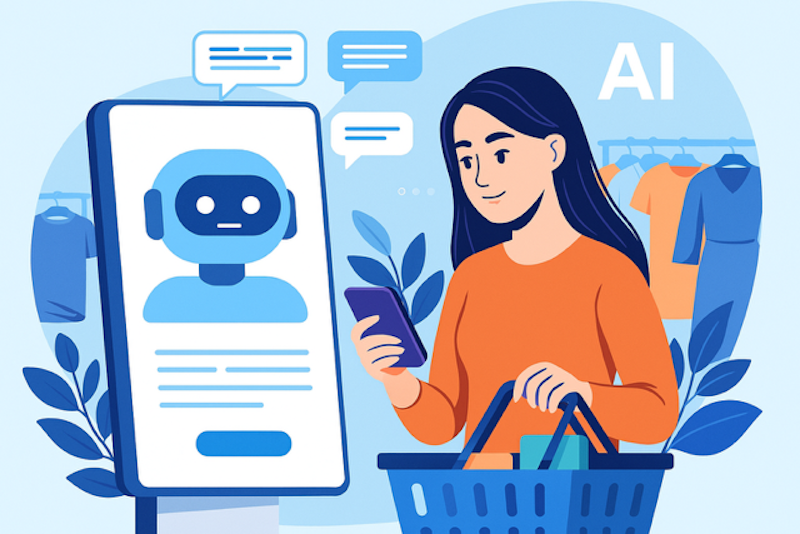
As digital innovation continues to transform the retail industry, consumer shopping habits are evolving rapidly. From AI driven recommendation systems to real-time inventory tracking and increasingly personalised marketing, retail technology has become more than just a tool for efficiency - it now plays a direct role in influencing purchasing decisions.
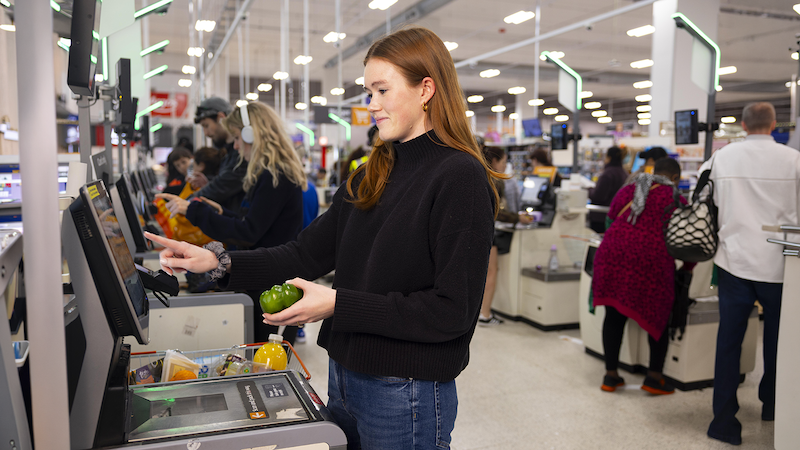
Modern consumers are no longer satisfied with simply completing a transaction; they expect the entire experience to feel seamless, transparent, and tailored to their preferences. This shift has pushed retailers to rethink how online and offline experiences work together in a more connected ecosystem.

At the same time, price sensitivity remains a major factor in consumer behaviour. Even in a market increasingly focused on convenience and experience, shoppers still want to maximize value while managing expenses. As a result, many retailers are investing in smart discount systems, automated savings tools, and data driven promotional strategies to improve customer engagement. Within this environment, platforms such as PromoPro UK are becoming more relevant by helping users quickly access discount opportunities and make more informed purchasing decisions without adding unnecessary friction to the shopping process.
I personally noticed this shift while shopping for a new piece of tech equipment. In the past, I would usually buy from the first trusted retailer I came across. This time, however, I decided to compare pricing across multiple platforms and explore available promotions before checking out. Beyond the automatic discounts offered by retailers, I found additional savings opportunities that significantly reduced the final cost. That experience changed the way I think about retail technology. I realised that the overall shopping experience is no longer defined solely by the product itself, but also by how effectively platforms help consumers navigate information and make smarter choices.
From a broader perspective, retail technology is redefining the relationship between brands and consumers. Competition is increasingly centered not only on products, but on user experience, personalisation, and the ability to build trust through convenience and transparency. Consumers now expect faster, more intuitive, and highly customised interactions, while retailers must continuously adapt through technology to meet those expectations. In this evolving landscape, platforms and tools that genuinely help users save time and money are likely to play an increasingly important role in shaping the future of retail.

Comments (0)
No comments yet.