NRF 2026 review: AI grabs the spotlight as retail technology steps into its next chapter
By James Pepper, Vista Technology Support
A Brief Introduction to NRF and How the Show Is Structured
Every January, the National Retail Federation’s ‘Retail’s Big Show’ transforms New York’s Javits Centre into one of the most influential gatherings in the global retail calendar. Tens of thousands of professionals arrive to explore new technologies, exchange ideas, and understand where the industry is heading. It’s a rare moment when strategy, innovation, and practical retail operations come together in one place.
Although the floor plan changes slightly each year, the event typically creates a clear sense of progression as you move through the venue. Larger, well established organisations tend to occupy larger booths on the central floors and naturally draw the biggest crowds.
The lower levels often act as a platform for ambitious, fast growing vendors ready to scale their solutions, while the upper floors usually spotlight innovative startups experimenting with solutions that could shape the next era of retail.
Let’s start with the startups
In previous years, the startup area has been one of the most exciting parts of the show - brimming with fresh perspectives, unexpected demos, and teams eager to push boundaries. This year, however, I found it noticeably less inspired and more uniform. Much of the technology felt similar from booth-to-booth - primarily agentic or generative AI - often with minimal physical tech or differentiated storytelling on display.
When speaking with several of the exhibitors, they struggled to truly articulate how their solution would add value to retailers across different scenarios or sectors. Whilst I am not blaming the exhibitors for this - many are often founders or deeply technical teams who’ve built impressive solutions, but who may still be shaping how to communicate their value across different retail scenarios or sectors.
That’s completely understandable at this stage. With a bit more support on how to frame their narrative, sharpen their use cases, and structure their demos, I think many of these teams could make a much stronger impact.
As a long‑time visitor to the show, my recommendation - for what it’s worth - is that NRF considers providing more structured guidance or coaching for first time and early stage exhibitors. A little help on how to present, position, and demonstrate their value could go a long way, benefiting both the startups and the retailers who come looking for the next wave of innovation.
Whilst there were thousands of exhibitors at the NRF 2026, here are my key takeaways:
1) AI Moves From Back Office Function to Customer Experience Driver
In previous years, artificial intelligence was often tucked away behind the scenes - supporting forecasting, planning, and operational efficiency. At NRF 2026, it stepped firmly into the spotlight. AI is now shaping how customers discover products, compare options, make decisions, and interact with brands both online and in‑store.
Retailers demonstrated how AI tools can help shoppers build lists, compare prices, explore recipes, or browse curated suggestions long before they encounter a physical product. Rather than simply being an efficiency booster, AI is becoming the primary digital touchpoint for customers - a modern entryway into the shopping journey.
My standout example from the show: Google - Gemini Enterprise for Customer Experience
A unified AI layer designed to connect product discovery, service and merchandising into one conversation, with retailers piloting direct product surfacing in consumer chat experiences.

2) Technology Only Works When Colleagues Are Empowered
Amidst all the talk of automation and data, one theme came through strongly: people still define the retail experience. Technology providers highlighted new devices, integrated systems, and AI assisted tools designed to help colleagues work more effectively. These included connected handheld devices, real‑time information platforms, and software that reduces repetitive tasks while improving customer responsiveness.
The message was unmistakable: colleagues are not being replaced, they are being equipped to deliver better service. Retail continues to thrive when colleagues feel confident, informed, and supported by the tools around them.
My standout examples from the show: Zebra, VoCoVo, Brother and Oracle
Demonstrations focused on colleague first tooling - handhelds, printers as IoT devices, and integrated software - so store teams can find stock faster, answer questions on the spot, and spend more time with customers.
3) Stores Become Phygital: Blending Physical and Digital Experiences
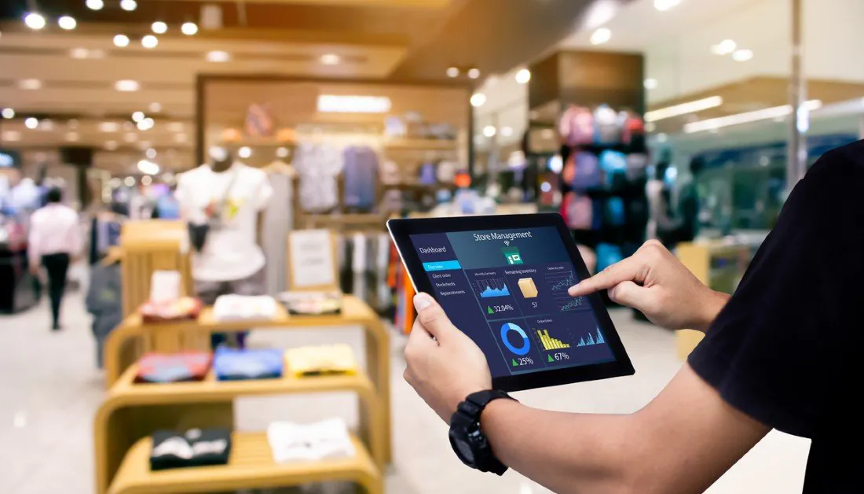
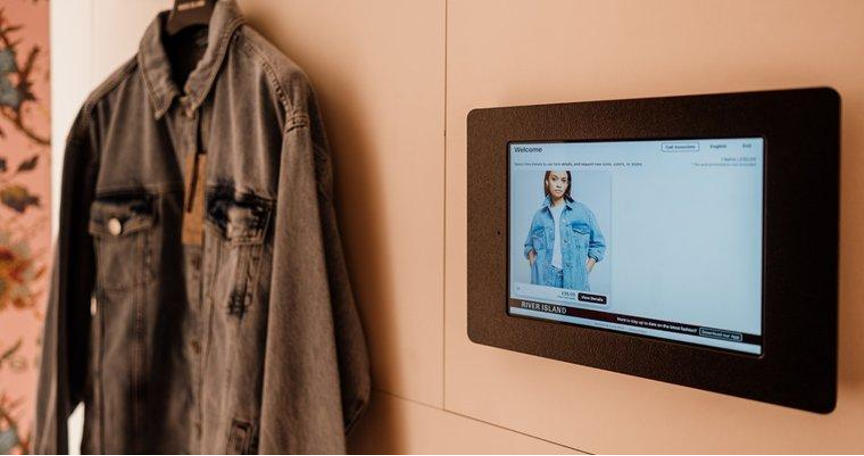
Physical retail is undergoing an exciting reinvention. Exhibitors showcased technologies that make the in‑store experience more seamless, enjoyable, and efficient. Examples included RFID enabled stock visibility, AI powered self‑checkout and returns, virtual try‑on tools, interactive signage, and computer‑vision systems designed to reduce shrink and improve safety.
What stood out was how practical these solutions were. Many could be layered on top of existing PoS, payment systems, and store layouts - helping retailers innovate without committing to full‑scale replacements, or refreshes. The result is a store environment that is more adaptive, more interactive, and better aligned with how modern customers like to shop.
My standout examples from the show: Zebra, EXO, Epson, Trigo, Ergonomic solutions and Pan‑Oston
RFID for live inventory and smart fitting rooms, AI enabled self‑checkout and returns, computer vision led shrink reduction, sustainable printing, and adaptable checkout lanes - purpose‑built to sit on top of existing
4) Agentic Commerce Emerges as a Defining Trend
One of the most exciting concepts gaining traction this year was agentic commerce - AI agents capable of acting proactively on behalf of customers. Instead of responding only to direct questions, these systems can interpret customer intent, curate product selections, assemble baskets, and guide shoppers smoothly from discovery through to purchase.
Demonstrations included AI generated outfits, personalised avatars, and conversational shopping flows that adapted in real time. It was a compelling look into a future where retail feels more intuitive, more personal, and significantly less transactional.
My standout example from the show: Rezolve AI (with Microsoft & Fashable)
Immersive demos of AI agents that move customers from inspiration to purchase - curating looks on personalised synthetic models, building the basket, and completing checkout with minimal friction.
5) Personalisation With Character: Luxury Brands Show How It’s Done
Luxury retailers illustrated how technology and brand identity can work hand in hand. One standout example showcased a digital personal shopping assistant that mirrored the feel of a flagship store - delivering tailored recommendations and style guidance in a conversational, brand true manner.
It demonstrated an important point: the best personalisation isn’t merely accurate. It carries the distinct tone, personality, and emotional resonance of the brand behind it.
My standout example from the show: Ralph Lauren + Microsoft - “Ask Ralph”
A conversational styling companion that preserves the brand’s attitude and aesthetic while giving customers immediate, tailored guidance.

6) Fulfilment Accelerates: From Wanting to Having, Faster Than Ever
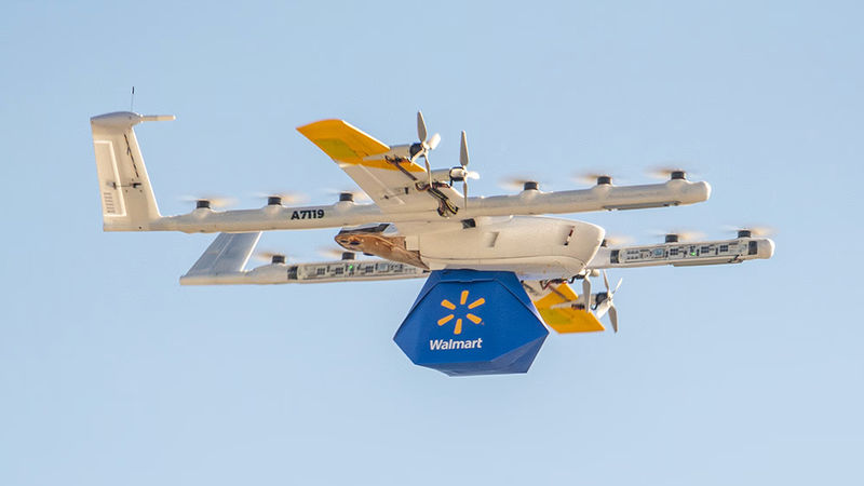
Speed and convenience remain crucial battlegrounds. Several retailers highlighted new approaches to rapid fulfilment, including expanded drone delivery and integrated last mile logistics systems. At the same time, technology leaders introduced new frameworks aimed at unifying the shopping process - from search and recommendations through to payment and delivery. The aim is simple: reduce the gap between ‘I want it’ and ‘I have it’ as much as possible.
My standout example from the show: Walmart + Wing (drone delivery) and Google’s interoperability push
An expanded drone enabled delivery footprint, alongside efforts to standardise how AI powers discovery, incentives and checkout, so the entire journey feels connected end‑to‑end.
7) Human Centred Retail Makes a Welcome Return
Despite the heavy emphasis on AI, many attendees noted that NRF 2026 felt distinctly human. Conversations focused on using technology to enhance, not erode, personal connection. Exhibits emphasised the physical store as a place of experience, interaction, and emotional resonance.
The overarching sentiment was that retail’s future is not purely digital or solely human. It is a blend of both - technology enabling more meaningful human moments and colleagues freed to do what they do best.
My standout example from the show: Colleague first tooling across the floor
From handhelds and guided workflows to smarter tasking and on‑the‑spot information, the most compelling demos were those that helped colleagues deliver warmer, more responsive service.
8) Loss Prevention: From Reactive CCTV to Intelligent, Store Wide Visibility
Shrink remains one of retail’s chronic profit leaks, and this year’s show put a spotlight on real‑time, software led prevention. The most impressive solutions didn’t add more hardware; they added more intelligence to what retailers already have.
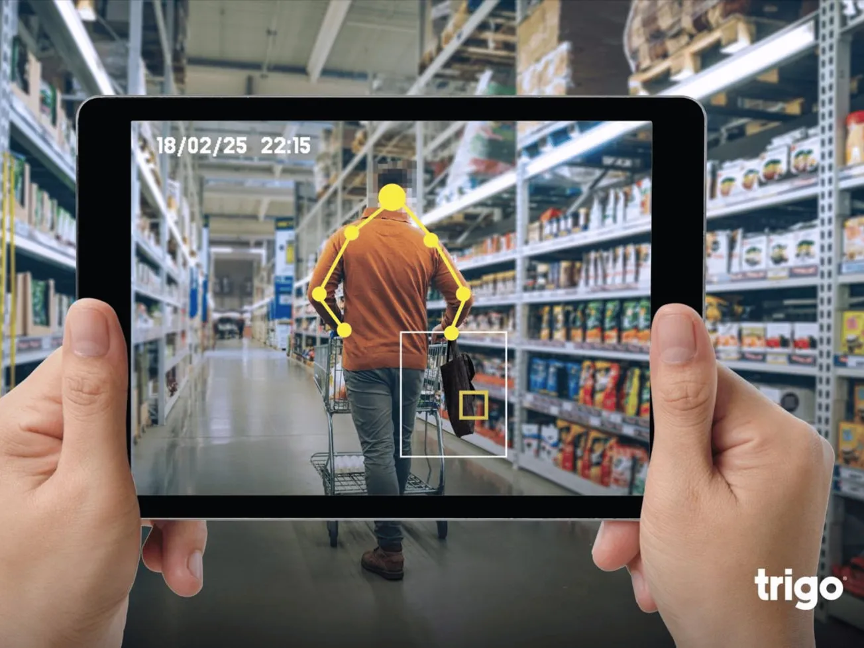
Standout example from the show: Trigo - Computer Vision Loss Prevention, Using What’s Already In-Store
Trigo’s approach turns a retailer’s existing CCTV into a smart, store wide detection network - no new cameras are required. The software anonymously tracks shopper product interactions to build a virtual basket, then reconciles what was picked up with what was paid for across any checkout method.
If something is concealed, missed at self‑checkout, sweethearted at a manned till, or a shopper skips checkout altogether, the system flags it in real time with clear context for colleagues to intervene. It slots into the store’s current video and PoS infrastructure, so roll-out is fast and operationally light - helping reduce shrink without adding friction for honest customers.
9) Payments: A Crowded Field, But Clear Leaders Emerging
Payments always command a major footprint at NRF, and this year was no exception. The show floor was busy with providers offering orchestration layers, gateways, hardware partnerships, and enhanced security. Yet for all the noise, only a few managed to stand out with genuine clarity and capability.
Many exhibitors highlighted incremental improvements - slightly faster terminals, broader device compatibility, or marginal gains in tokenisation, orchestration and fraud controls. Useful, yes, but not markedly different from the stand next door. Amidst this, one provider did cut through, FreedomPay!
My standout example from the show: FreedomPay - A Differentiated, Open, and Scalable Payments Platform
FreedomPay’s proposition was notably polished and pragmatic. The narrative was simple: payments should enable experience, insight and scale - not constrain it.
What sets FreedomPay apart:
• An open payments ecosystem with broad hardware interoperability, avoiding lock‑in and letting retailers choose the devices that fit their estate.
• A unified platform to streamline in‑store, mobile and online payments via a single orchestration layer, reducing fragmentation and operational complexity.
• Enterprise grade security (including point‑to‑point encryption) without slowing the checkout, marrying protection with performance.
• Omnichannel consistency so customers move seamlessly across touchpoints and brands maintain a coherent experience.
• Extensible APIs that make it easier to layer in loyalty, personalisation, or connected commerce use cases as strategies evolve.
Final Thoughts - NRF 2026 Delivered the Balance Retail Needed
NRF 2026 struck a rare balance between ambition and realism.
It embraced innovation - agentic commerce, immersive store experiences, intelligent fulfilment, smarter loss prevention and more thoughtful payments - while reinforcing fundamentals such as colleague empowerment, brand identity, and authentic customer connection.
Retailers are learning to align:
• AI with customer expectations
• Technology with colleague capability
• Innovation with operational practicality
• Brand identity with digital personalisation
• Fulfilment with rising expectations
• Loss prevention with frictionless experiences
• Payments with openness, security and interoperability
For executives planning the year ahead, the message is clear: invest at the intersection of technology and humanity. That’s where the real competitive advantage will emerge in 2026 and beyond.