Real-time quality control - the power of computer vision in modern retail
Look, retailers know the drill: one scratched phone screen, one mislabeled jar of sauce, one wilted bunch of greens – and boom, returns pile up, reviews tank, margins bleed. Computer vision? It catches that stuff in the blink of an eye – literally milliseconds – before it ever reaches a customer. No more hoping the night shift didn't miss something.
In 2026, with supply chains still jittery and shoppers ruthless about perfection, this isn't optional tech anymore. It's the difference between "we're fine" and "we're thriving." Chains running pilots report 20–40% faster inspections, way fewer comebacks. The numbers don't lie.
Why Old-School Checks Just Can't Keep Up Anymore
Manual QC? Brutal. A picker eyes hundreds of items an hour – by shift's end, everyone's half-blind from fatigue. Sampling? It misses the forest for the trees; one bad batch slips through, and suddenly social media lights up with complaints. (We've all seen those viral "what even is this packaging?" posts.)
Enter computer vision. Cameras – high-res ones on belts, docks, backroom racks – feed live video to AI models, usually beefy CNNs trained on insane datasets. The system doesn't get tired, doesn't have bad days, doesn't play favourites. It spots cracks, colour fades, label skews, dents – bam, flagged.
Achieving this level of inspection accuracy starts with reliable imaging hardware, which is why many retailers and manufacturers rely on VA Imaging technologies to capture the high-quality visual data needed for computer vision systems.
Perishables get the worst of it without this: browning apples, leaky yogurt lids. Vision scans every pallet, flags spoilage early. Apparel? Checks seams, tags, folds. Electronics? Verifies no cosmetic dings before restock. Real-time? Alerts ping instantly – halt the line, isolate the mess, fix it before it spreads. Manufacturers already slash defects 80% with similar setups; retail's borrowing the playbook hard for inbound goods and store prep.

The Nuts and Bolts: How It Actually Spots Trouble Fast
Strip it down: cameras grab frames, edge devices or cloud crunch them via deep learning. Object detection locates stuff, segmentation outlines weird bits, classification says "good" or "trash" with a confidence score. Latency? Milliseconds – critical when lines move at warp speed.
Svitla AI & computer vision nails this space. They push synthetic data hard – creating fake defects in virtual worlds so models train on rare edge cases without waiting for real screw-ups. Speeds deployment, boosts accuracy on subtle stuff like faint fabric pulls or crooked barcodes.
Grocers use it at receiving: reject short-date shipments, cut spoilage double-digits. Fashion warehouses catch assembly glitches on massive hauls – prevent bad batches hitting floors. One big player? Saw 30% drop in quality-driven returns after rollout. Staff shift to actual value-add work instead of endless eyeballing.
Quick hit list of what retailers gain right now:
● Blazing speed – Inspections in ms, not minutes.
● Rock-solid consistency – 95–99% accuracy tuned right, no human variance.
● Massive scale – Thousands of SKUs/hour, no overtime hikes.
● Real savings – Less rework, waste, compliance fines.
● Early warnings – Supplier patterns emerge fast (that vendor always dents cans? Flag 'em).
Crazy how something so technical feels almost... humane. Fewer headaches for everyone.
Stories from the Floor (Because Theory Only Goes So Far)
Imagine a distribution center chaos: trucks unload nonstop. Old way? Spot-checks miss 10–15%. New way? Overhead cams scan every box.
● Barcode mismatch or torn seal? Quarantine auto.
● Produce pallet with visual rot cues? Diverted before blending in. One chain claimed 25% quicker QC throughput, complaints noticeably down.
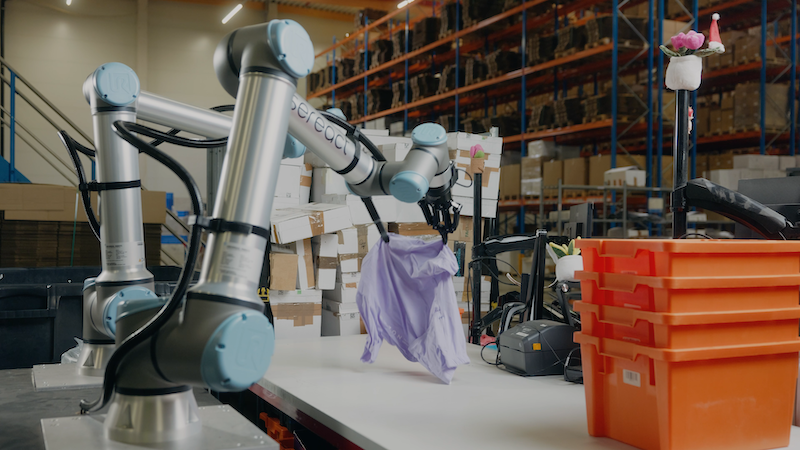
Apparel side: fast fashion turns inventory every few weeks. Vision verifies tags, threads, folds on arrival. European player cut quality returns 30% – freed merch teams for displays instead of fixes.
Even returns desks win: vision checks wear level before accepting, curbs "I wore it once" fraud while speeding legit ones.
Sure, hurdles: funky lighting, blurry fast-movers, privacy gripes if in-store. Edge AI fixes latency, anonymisation handles data worries. Models retrain on your specifics – gets better over time.
Market's exploding anyway. Computer vision overall hits $24B+ in 2026 projections, retail carving big slice via defect tools and shelf smarts. AI defect detection alone grows 11–12% yearly – retailers chasing that ROI in 12–18 months.
Wrapping It Up: Why This Feels Like the Tipping Point
Computer vision's quietly turning retail QC from a cost centre into a quiet superpower. Less scrap, tighter supplier accountability, customers who actually get flawless stuff – those add up fast in squeezed margins.
Look at the math: higher catch rates, quicker cycles, fewer angry emails. For chains plotting 2026 moves, skipping this risks falling behind. Start modest – pilot perishables or high return categories. Feed it your data, tweak models, track the shift.
End of the day, the store of tomorrow doesn't "inspect" quality – it guarantees it, eyes wide open 24/7. No blinks, no excuses. That's pretty damn compelling when the competition sleeps.