.png)
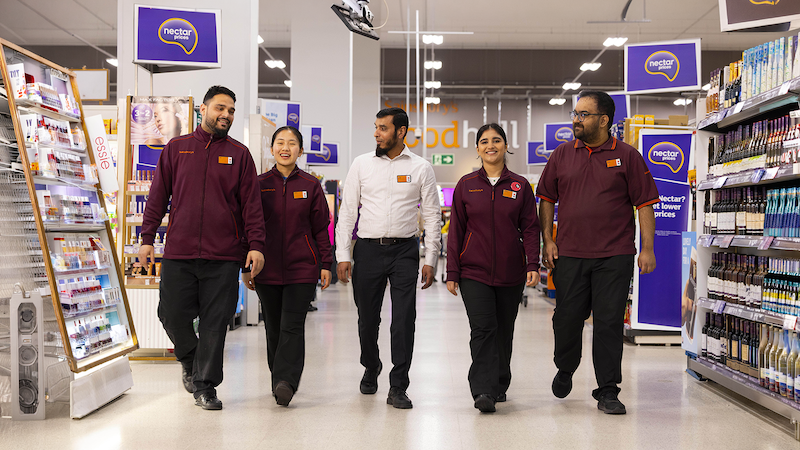
The retail industry has achieved gender parity in the boardroom, according to a new report from the British Retail Consortium and The MBS Group. At the same time, however, rising employment costs and a growing youth employment crisis risk undermining pathways into work that have helped make retail one of the UK's most inclusive employers.
Women now hold half of boardroom positions, up from a third in 2021. Representation of ethnic minority leaders, disabled colleagues and people from less advantaged backgrounds has also increased, while more retailers are broadening their focus beyond gender and ethnicity to include disability, neurodiversity, social mobility and menopause. The BRC Diversity & Inclusion Charter, launched in 2021, is now supported by 85 retailers.
The report also highlights a shift in how retailers approach D&I. The emphasis is moving beyond targets, towards continually improving belonging, wellbeing and inclusive workplace cultures. Responsibility for the agenda is also extending beyond HR teams, with CEO sponsorship steadily increasing as leaders recognise inclusion as a core business priority.
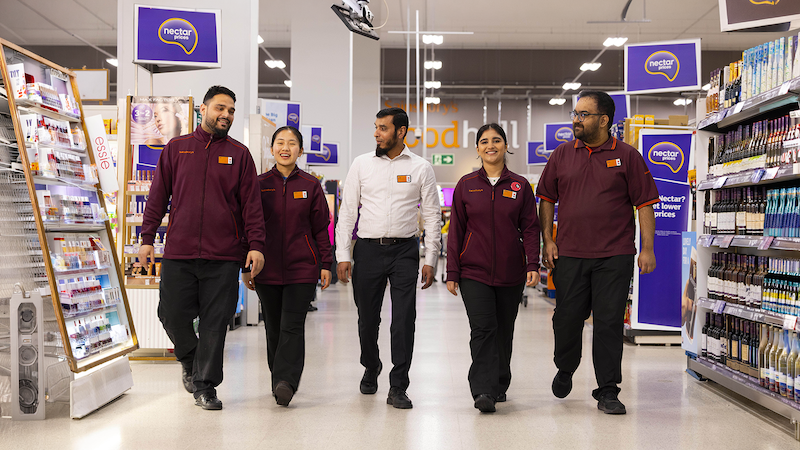
However, there are also growing concerns about the pipeline of future talent. While diversity at the most senior levels has improved, representation across executive committees and their direct reports has declined in some areas as hiring slows and organisations restructure, putting pressure on the future leadership pipeline. Employees are being promoted but not replaced reduces opportunities for those coming through the ranks.
The findings come against a backdrop of more than one million young people being not in education, employment or training (NEET). Many face a cluster of barriers including economic disadvantage, caring responsibilities, disability, neurodiversity and poor mental health. As a result, access to work is increasingly becoming an inclusion issue as much as an economic one.
Retail has long played an important role in social mobility, offering local, flexible and accessible jobs that provide a first step into employment and progression based on skills and potential rather than background. But if entry level opportunities continue to be eroded by rising employment costs, growing complexity and government policy, those facing the greatest barriers to work will be the first to lose out, the BRC argues.
It adds that retailers must continue investing in D&I initiatives that support opportunity and progression. Government must also ensure employment and skills reforms support, rather than discourage, entry-level recruitment and progression, while bringing down the cost of employing young people so businesses can create more opportunities.
Helen Dickinson, Chief Executive at the BRC, says: "Access to work risks being the biggest inclusion challenge facing the UK today. More than one million young people are outside education, employment or training, with many facing a cluster of barriers including economic disadvantage, disability, neurodiversity, caring responsibilities and poor mental health. Retail has long helped break down those barriers through accessible, flexible jobs that provide a first step into work and a pathway to progression.”
"While retailers continue to make progress on diversity and inclusion, rising employment costs and increasing complexity are putting those entry level opportunities at risk. Inclusion is not just about who reaches the boardroom - it is also about who gets the chance to enter the workforce in the first place. Retailers remain committed to creating workplaces where anyone regardless of background can belong and thrive, but government must ensure its policies support, rather than discourage, the creation of those opportunities."
Moira Benigson, Founder of The MBS Group, says: “For the sixth year, MBS is proud to have partnered with the BRC to continue to move the dial on diversity and inclusion in the retail industry. Although we have seen real progress since our research began in 2021 - women at board level has now reached parity which is a huge milestone - ethnic diversity in leadership is still falling behind. Although other areas, such as LGBTQ+, have seen positive improvement, retailers must continue to drive forward initiatives and commit to creating work environments that are truly inclusive to ensure momentum keeps building.”
2026 RTIH Innovation Awards
Employee experiences will be a key focus area at the 2026 RTIH Innovation Awards.
The awards are now open for entries and celebrate global retail technology innovation in a fast moving omnichannel world.
Our winners will be revealed at the 2026 RTIH Innovation Awards Ceremony, taking place at The HAC in Central London on Wednesday, 4th November.
Check out our 2025 winners here.
Our 2025 hall of fame entrants were revealed during a sold out event which took place at The HAC on 16th October and consisted of a drinks reception, three course meal, and awards ceremony presided over by award winning comedian, actress and writer Tiff Stevenson.
In his welcome speech, Scott Thompson, Founder and Editor, RTIH, said: “This is the awards’ fifth year as a physical event. We started off with just 30 people at the South Place Hotel not far from here, then moved to London Bridge Hotel, then The Barbican, and last year RIBA’s HQ in the West End.”
“But I’m conscious of the fact that, to quote the legend that is Taylor Swift, You’re only as hot as your last hit, baby. So, this year we’ve moved to our biggest venue yet, and also pulled in our largest number of entries to date and broken attendance records.”
He added: “This year’s submissions have without doubt been our best yet. To quote one of the judges: The examples of innovative developments across both traditional and digital retail spaces were truly remarkable.”
Congratulations to our winners, and a big thank you to our sponsors, judging panel, the legend that is Tiff Stevenson, and all those who attended our 2025 gathering.


Comments (0)
No comments yet.