.png)
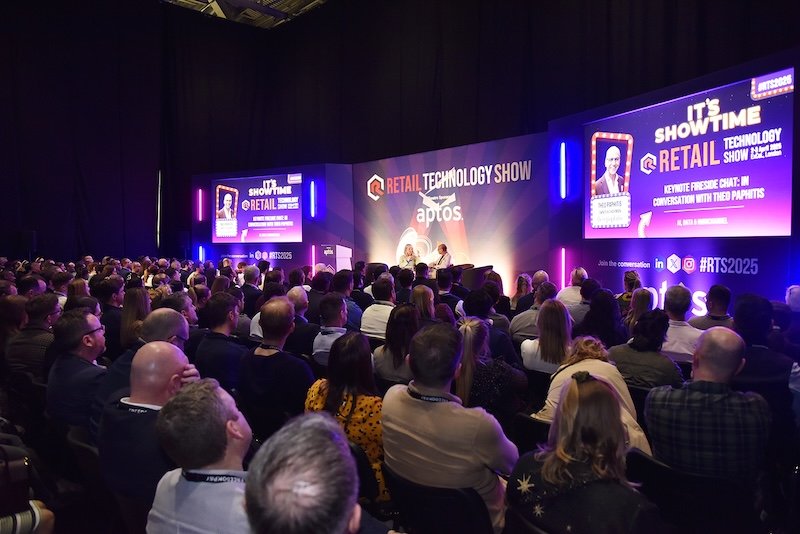
The planning mistake that produces disappointing trade show results is almost always made before the display is designed, before the graphics are briefed, before any creative decisions are made. It's made when exhibitors define success as "having a great display" rather than "achieving specific outcomes with measurable indicators."
A great display is a means. Qualified leads, brand impressions, partner conversations, market intelligence - these are ends. Exhibitors who plan backward from ends make different design decisions than those who plan forward from aesthetic ambition. They allocate space differently. They brief graphics differently. They staff differently. And they evaluate results differently -which is the feedback loop that makes subsequent events better rather than marginally different.
The second planning mistake is treating the booth as a standalone project rather than an expression of a broader event strategy. What audience is attending this specific show? What do they know about this brand before walking into the hall? What single thing should they know after passing the booth? These questions have answers that should directly shape display design -and in most booth planning processes, they're never asked explicitly enough to produce those answers.
What Trade Show Booths Actually Demand From Display Design
The physical and perceptual environment of a trade show floor imposes constraints on display design that studio-based design work routinely underestimates -and those underestimates show up as displays that looked excellent in mockup and underperform in context.
Trade show booths exist in competitive visual environments where dozens of exhibitors simultaneously compete for finite visitor attention. The display that works in this environment isn't necessarily the most visually complex or the most information-dense - it's the one that communicates its core message most quickly and clearly at the distances and angles from which visitors actually encounter it.
Distance communication is the first constraint. A visitor approaching a booth from across the aisle - twenty, thirty, forty feet away - sees shape, colour, and large scale graphic elements before they see anything else. The display that works at this distance has made deliberate decisions about what to communicate at scale: brand identity and a single dominant message, nothing more. Everything else - product details, supporting messages, contact information -is close-range content for visitors who've already been attracted and are now engaging. Confusing these two communication distances produces displays that try to do both simultaneously and accomplish neither effectively.
Viewing angle variability is the second constraint. Unlike controlled gallery or retail environments, trade show displays are viewed from multiple angles simultaneously - straight-on from across the aisle, obliquely from adjacent traffic flow, peripherally while passing. Display elements that rely on precise viewing angles for legibility - certain typographic treatments, dimensional elements, reflective surfaces -work in controlled conditions and fail in show environments. Elements that communicate across viewing angle variability -high-contrast graphics, large scale typography, illuminated surfaces -work reliably in real show conditions.
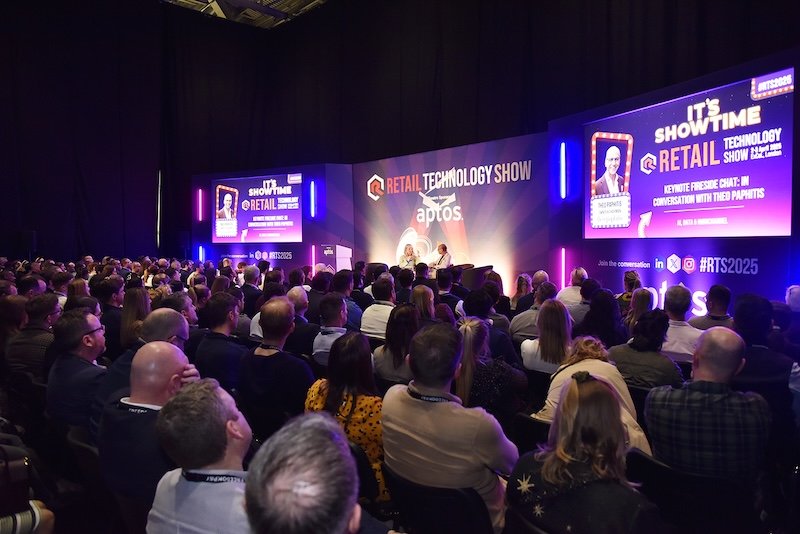
Traffic Flow, Engagement Zones, And Spatial Decisions
Display design and spatial design are treated as separate disciplines in most booth planning processes - the display vendor handles graphics and structure, the exhibitor handles staffing and layout. This separation produces booths where the display and the space work independently rather than together, and the missed synergy shows up in visitor engagement rates that don't reflect the quality of either element individually.
The spatial decisions that most directly affect visitor engagement start before the booth boundary. What does the approach look like from the primary traffic flow direction? Is the booth open and inviting from that approach, or does the display configuration create a visual barrier that requires deliberate decision to enter? Booths that feel open from primary approach directions receive more unsolicited visitor traffic than equivalent booths that feel enclosed - regardless of display quality inside.
The 10x20 Booth Display Format - Maximising The Middle Ground
The 10x20 booth format occupies a specific and underappreciated position in the trade show space hierarchy. Larger than the 10x10 standard that limits spatial ambition, smaller than the island configurations that require substantial budget and logistical infrastructure - it's the format where the investment-to-impact ratio is often most favorable for exhibitors who've outgrown small booth constraints but aren't ready for full island complexity.
A 10x20 booth display gives exhibitors twenty linear feet of primary display surface - enough to create genuine visual presence on a show floor without the configuration complexity that larger formats demand. The format supports a full-height backwall that communicates brand identity and primary messaging at scale, with enough remaining footprint to create meaningful spatial differentiation between attraction, engagement, and conversion zones.
The configuration decisions that most affect 10x20 performance start with backwall treatment. A continuous twenty-foot backwall -illuminated fabric, seamless graphic surface, consistent visual treatment -creates the kind of brand presence that stops traffic from the aisle. Breaking that surface unnecessarily - with multiple panels, mixed materials, or graphic interruptions -reduces the visual impact to something closer to two adjacent 10x10 displays rather than a cohesive larger presence. The discipline of treating the backwall as a single unified surface, even when it's composed of multiple components, is the design decision that makes 10x20 displays feel significant rather than merely larger.
Side wall treatment is the second configuration decision with significant impact. 10x20 booths have depth - ten feet of it -and the side walls of that depth are visible from the aisle at oblique angles before visitors reach the booth frontage. Side walls left as bare pipe-and-drape or unbranded surfaces waste display real estate that could be communicating. Side walls treated as secondary display surfaces - consistent with the backwall visual system, carrying supporting messages or product imagery -extend the booth's visual presence beyond its primary frontage and create a more immersive brand environment for visitors who enter.
Measurement, Iteration, And Building A Booth Programme
Single event evaluation produces unreliable conclusions about display system performance - too many variables, too little data, too much dependence on show-specific factors outside the exhibitor's control. Building a booth programme that improves over time requires measurement methodology and iteration discipline that treats each event as a data point in a longer learning cycle.
The metrics worth tracking consistently are straightforward: booth traffic count or estimate, qualified conversation volume, lead capture volume, and subjective staff assessment of visitor engagement quality. None of these are perfectly measurable in trade show contexts. All of them are measurable well enough to identify trends across events that indicate whether display and spatial decisions are improving or degrading performance.
Display element performance assessment requires more deliberate methodology than overall traffic tracking. Which display surfaces generate the most initial engagement? Which messages produce the most follow-up questions? Which product presentations generate the most sustained visitor attention? Staff observation and post-event debrief produce qualitative answers to these questions that inform the graphic and spatial decisions for subsequent events. Exhibitors who conduct structured post-event debriefs - with specific questions rather than open-ended reflection - extract more actionable learning from each event than those who rely on general impressions.
Iteration sequencing matters as much as iteration willingness. Changing multiple display variables between events makes it impossible to attribute performance differences to specific decisions. Changing one significant variable at a time - a graphic treatment, a spatial configuration, a staffing approach - produces attributable learning that builds into genuine performance improvement over an event schedule. The patience required for single-variable iteration is difficult to maintain under pressure to improve results quickly. It consistently produces better outcomes than simultaneous multi-variable changes that generate ambiguous data.
Trade show booth programs that compound in effectiveness over time are built on measurement discipline, honest evaluation, and systematic iteration - applied to display systems that are operationally practical enough to modify between events without prohibitive cost or logistics. The combination of the right physical system and the right improvement methodology is what separates exhibiting programmes that get meaningfully better from those that repeat the same event at incrementally higher cost.
Comments (0)
No comments yet.