.png)

Managing a modern team requires more than just a laptop and a fast internet connection. Success comes from the way people interact and stay connected throughout the day.
Leaders must find better ways to keep projects moving without causing burnout. Small changes in habits can make a huge difference in how much work gets done.

Prioritise Transparency And Alignment
Keeping everyone on the same page is the biggest hurdle for growing companies. Leaders often look for a guide to all-hands meetings to solve these common friction points. These gatherings help the entire staff understand the current goals. A well-planned meeting makes every person feel more confident in their daily duties.
Teams thrive when they know why certain decisions are made by the board. Open talk helps build trust across different departments in the office. Sharing the reason behind a project prevents frustration when plans change suddenly.
Productivity goes up when workers feel like they are part of a bigger plan. Managers should stress the vision of the company to keep the energy high in every room.
Maximise Employee Engagement
Engagement stays high when the staff feels heard during weekly syncs. One recent report from a management group mentioned that these large meetings are key for sharing mission-critical info and keeping everyone aligned.
Managers who share data openly see better results from their staff as trust builds. Open communication helps every person feel like they belong to the team.
Tracking progress is another way to keep the momentum going for long projects. A blog post on remote management suggested that monitoring goals is the best way to see what a team has actually finished. Constant updates prevent small issues from turning into big disasters.
Setting clear targets prevents confusion and keeps the workflow smooth. High levels of engagement often follow when every person knows their specific role in a project.
Implement Strategic Visual Aids
Visual tools help make complex ideas much easier for everyone to grasp. An article on virtual meetings explained that images and charts help people understand tough topics better than just talking.
Using a slide deck or a shared screen can keep the audience focused on the presentation. Good visuals take the guesswork out of new instructions.
Visual aids are great for:
● Flowcharts for new processes
● Screenshots of software updates
● Growth charts for sales goals
● Timelines for upcoming launches
The use of these items helps people remember the information long after the call ends. Meetings become shorter and more effective when the message is clear from the start. Clear pictures can replace a thousand words during a busy workday.
Increase Discussion During Large Syncs
Large meetings can feel boring if only one person talks the whole time. A guide for engaging teams recommended letting the audience ask questions for at least 20% of the total time. Shy employees get a chance to speak up about their concerns in a safe space.
Small groups often have better ideas than the leadership might have missed during the planning phase. Giving people space to talk makes them feel valued and respected by their peers. Managers should listen more than they speak to get the best results from their staff. Listening builds a culture where every idea is heard.
Efficient companies use this time to clear up rumors and build a stronger culture. It turns a boring lecture into a helpful conversation for the whole group. Everyone leaves the call feeling more connected to the vision of the business.
Support Remote Work Challenges
Remote work is now a standard part of the modern career path for many people. Data from a workplace study showed that 75% of workers spent at least some of their time working from home. Managers now have to rethink how they check in on their staff to maintain high standards. Trust is the foundation of a successful remote environment.
Working from a home office has its own set of unique problems. The blur between home and work life can lead to stress if not managed well by the individual. Creating a separate workspace can help solve the problem.
Leaders should encourage their teams to set strict boundaries for their personal time. Respecting these limits helps keep everyone happy and productive in the long run.
Setting an example by not sending messages after-hours is a great first step. Managers must protect the health of their team to keep the business moving.
Reduce Burnout Through Flexible Styles
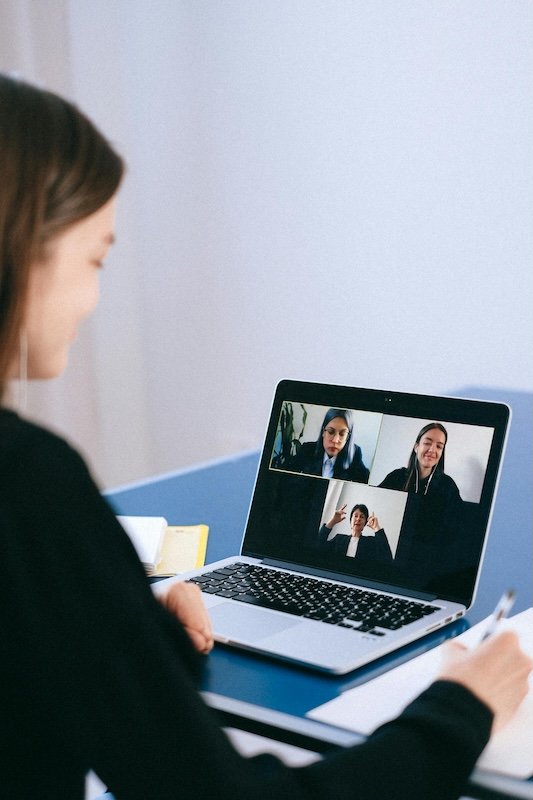
Flexible work styles are helping many people stay in their jobs longer. Recent findings from a polling firm found that 61% of hybrid workers feel less tired than those in a strict office. Balance allows people to handle their life tasks and work tasks together without feeling crushed. Flexible schedules lead to a more dedicated and loyal staff.
Managers can support it by offering:
● Core hours for meetings
● Flexible start and end times
● Choice of work locations
● Mental health days
Reducing fatigue is a smart way to keep your best talent from leaving the company. Happy workers are much more likely to produce high-quality work every day. Efficiency grows when the staff has enough energy to focus on their main priorities. High energy levels lead to better creative thinking.
Streamline Communication Channels
Using too many apps can slow down a team instead of helping it. A tech article pointed out that using direct messages and threads is much faster than sending long emails.
Communication stays organized and easy to find later when someone needs to check a detail. Rapid chats allow for quick decisions during the day.
Constant email chains can be a huge waste of time for busy managers. Moving those talks to a chat app helps people get answers in just a few seconds. Rapid replies keep projects moving without the lag of a crowded inbox. Reducing the number of clicks saves a lot of time over a month.
The goal is to remove any friction that keeps people from doing their actual jobs. Simple tools often work the best for keeping a digital team moving fast. Efficiency is the result of using the right tech for the right task. Every team should review its tools twice a year to stay sharp.
Success in a digital workspace is about finding the right balance of tools and trust. Teams that talk openly and respect each other's time will always perform better.
Focus on clear goals and give people the space they need to finish their work. Small improvements in how you meet and chat will lead to big gains for the business.

Comments (0)
No comments yet.