.png)
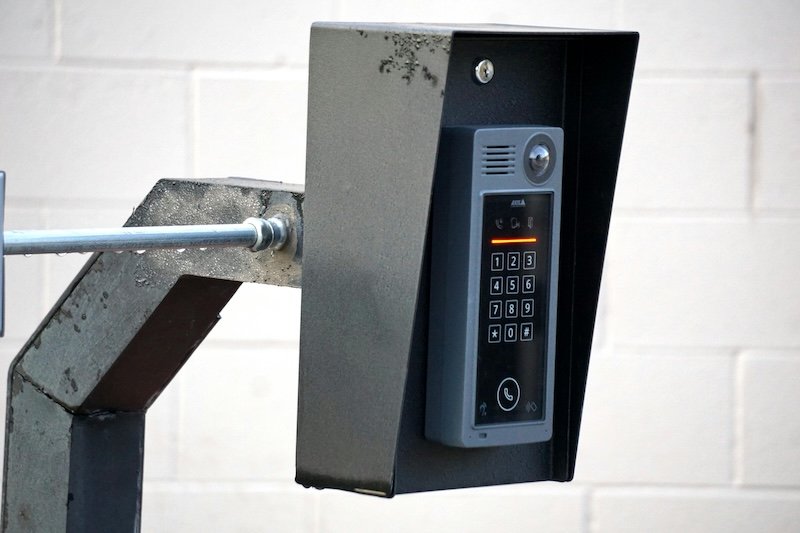
Retail environments face unique security challenges. From managing multiple entry points to protecting staff, stock, and customer data, the need for reliable and scalable security solutions has never been greater. Digital access management is quickly becoming the standard for forward-thinking retailers.
The Shifting Landscape of Physical Security in Retail
Traditional lock-and-key systems are losing ground in the retail sector. Physical keys can be copied, lost, or handed to the wrong person, creating gaps that are difficult to trace and even harder to close. As store formats evolve and workforce structures become more flexible, the limitations of mechanical systems become more apparent.
Digital alternatives offer a more granular level of control. Retailers can define exactly who has access to which area, at what time, and for how long. This is especially relevant in environments where cleaning crews, delivery personnel, and seasonal staff all require temporary or restricted access. Acces control security in this context is not just about locking doors but about actively managing movement throughout a building in a way that is both auditable and adaptable.
The ability to revoke access instantly is another significant advantage. When an employee leaves the business or a contractor's assignment ends, their credentials can be deactivated in moments. There are no keys to collect and no locks to replace.

Why Cloud Connectivity Is the Next Step for Retail
Cloud technology has already transformed how retailers manage inventory, customer data, and point-of-sale systems. It is now doing the same for physical security. Remote management capabilities allow store managers or security teams to monitor and adjust access permissions from any location, without needing to be on-site.
This matters particularly for retail chains operating across multiple locations. A centralised view of access activity across all sites makes it easier to spot anomalies, respond to incidents, and ensure consistency in security policy. Cloud based acces control also reduces the need for on-site hardware maintenance, which lowers operational costs over time.
ILOQ UK has developed solutions that reflect this direction, combining digital locking technology with cloud-based management in a way that requires no external power source or batteries in the locking hardware. This approach reduces both maintenance overhead and environmental impact, which aligns with the sustainability goals many retailers are working towards.
Practical Considerations When Upgrading Access Systems
Moving from mechanical to digital access systems requires some planning. Retailers should consider the following when evaluating their options:
The number of access points that need to be managed
The variety of user groups requiring different permission levels
Integration with existing building management or HR systems
Scalability as the business grows or formats change
Investing in a modern access system is ultimately an investment in operational efficiency as much as it is in security. When the right infrastructure is in place, managing people flow becomes simpler, safer, and more transparent for everyone involved.



Comments (0)
No comments yet.