.png)
What makes Retail Technology Show 2026 interesting this year, at least for me, isn’t really the themes on paper.
We’ve all seen those before. AI, customer experience, loyalty, innovation. They’ve been circulating for a while. What feels different this time is the mix of people shaping the agenda and the conversations that come from that.
Having spent time on the advisory board, one thing that stood out quite quickly was just how much retail has shifted, almost quietly, over the last few years. Technology is no longer sitting to the side as an enabler.
It’s embedded in how the business actually runs, whether that’s supply chain, pricing, how customers are engaged, or even how decisions get made internally. And yet, I still don’t think that’s fully understood outside of the industry.
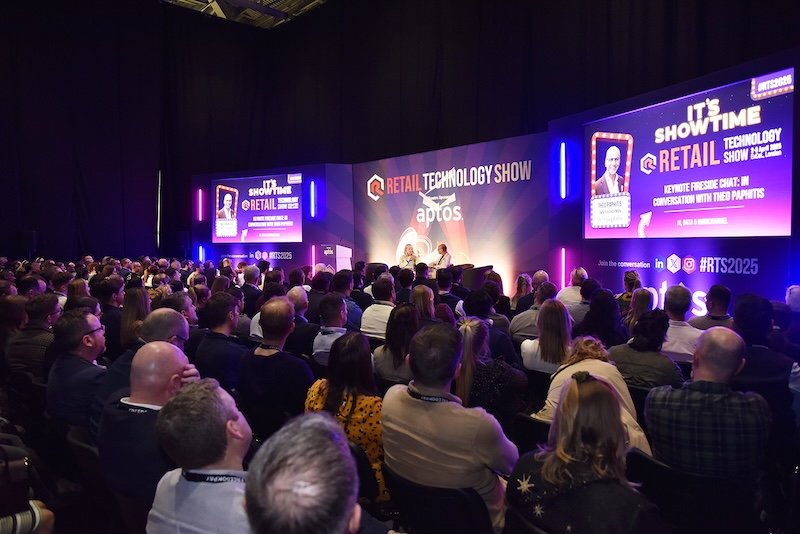
You can see that shift in the people involved. It’s not a room full of technologists talking to each other. It’s a mix of CEOs, operators, transformation leads, customer leaders, all coming at the same questions from slightly different angles.
That tends to change the tone quite quickly. The conversation becomes less about what could be done and more about what is actually being done, and what that really looks like when you’re dealing with the day to day reality of running a business.
AI will, inevitably, be everywhere. It always is. But the part I find more interesting now is what sits underneath that headline. I’ve found myself thinking a lot more about what I’d call the “boring AI”, not in a negative sense, but the kind that doesn’t make it into big announcements.
The improvements that start to show up in forecasting, in replenishment, in how decisions are made day to day, often without much noise around them. It’s less visible, but that’s usually where the real impact sits.
Part of the reason for that is that most businesses aren’t starting from a perfect place. Data isn’t clean, processes aren’t always consistent, and there are still plenty of workarounds that exist simply because they always have. Layering technology on top of that doesn’t automatically fix anything.
If anything, it tends to highlight where things aren’t working. So what I’m interested in is where AI is being used in a way that acknowledges that reality, rather than assuming everything underneath is already in good shape.
The same applies to customer experience and loyalty. These are areas that have been talked about for years, but they’re getting more complex rather than less. Expectations continue to rise, but so does the cost to serve. It’s not as simple as adding more personalisation or more touchpoints.
There’s always a trade-off somewhere, whether that’s margin, operational complexity, or something else that sits slightly out of view. That balance is where a lot of the more interesting decisions are being made at the moment.
Cyber is another topic that feels like it’s moved into a different space altogether. It used to sit more clearly within technology teams, whereas now it’s very much a leadership issue. As retail becomes more connected, the opportunities are obvious, but so are the risks. How different organisations are navigating that, particularly in a way that doesn’t slow everything else down, is something I’m keen to hear more about.
I’ll also spend some time in the startup zone, although probably for slightly different reasons than people might expect. It’s less about finding the next big thing and more about seeing how problems are being approached before they’re shaped by scale. There’s often something useful in that. A slightly different perspective, or a simpler way of thinking about something that has become unnecessarily complicated over time.
The real test is always whether that thinking translates into a live retail environment. It’s one thing to build something that works well in isolation, and something else entirely to make it work across stores, supply chain, and a mix of systems that weren’t designed to work together. That gap hasn’t gone away, and in many cases, that’s still where things tend to fall down.
The speaker line-up this year should make for some interesting discussions as well. Hearing Archie Norman will be particularly valuable, especially given the year M&S has had. It’s been one of the more widely discussed stories in the sector, but those situations are rarely as straightforward as they appear from the outside. Understanding what actually happened, and how decisions were made along the way, is usually where the insight sits.
What I’m looking for is fairly simple. Not what sounds good, but what actually works. Retail hasn’t been short of ideas for a long time. The difference now comes down to execution, and who is managing to make these things work in practice rather than just in theory.
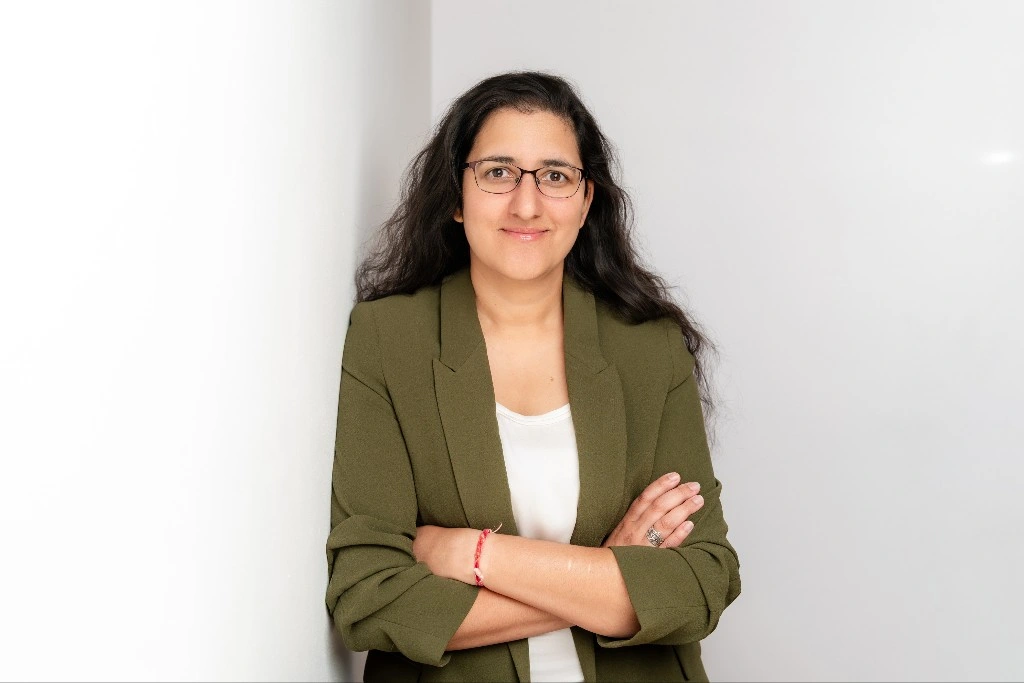
About the author: Vineta Bajaj spent ten years at Ocado Group, supporting its growth and strategic M&A, strategic divestments and fundraising over £1.5 billion. She then took on the Group CFO role at Rohlik Group.
She recently joined Holland & Barrett as Group CFO. Her experience spans the US, UK, Europe and Asia. She is a finance, tax and business expert. She acts as an angel investor and advisor to a number of pre-series to Series A startups across a variety of industries and gives her time to supporting small businesses.
Comments (0)
No comments yet.