Global e-commerce brands restructure supply chains to boost efficiency in 2026
The way global e-commerce brands source and ship products is changing fast. Many e-commerce companies plan to relocate their primary manufacturing facilities within three years.
That's not a minor adjustment. It's a fundamental pivot from lean, cost-focused supply chains ("just-in-time") to resilient, flexible networks built for volatility ("just-in-case"). And the forces driving it are a mix of geopolitical instability, economic pressures, and consumers who expect orders to arrive quickly and reliably.
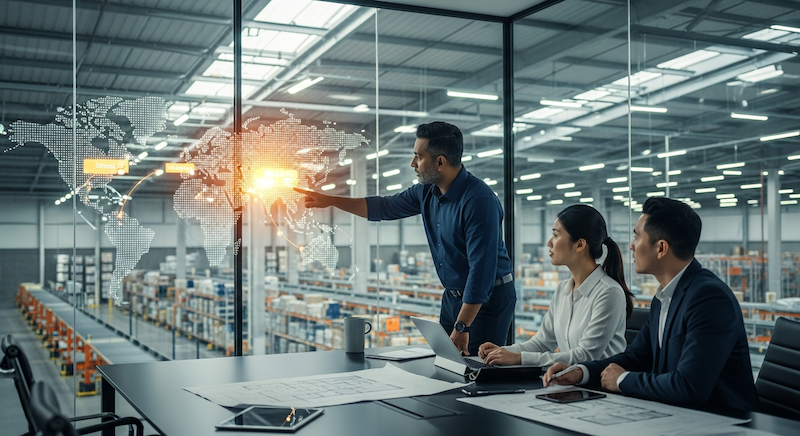
What's Driving the Supply Chain Overhaul
So why are so many brands rethinking where they make and ship products? It comes down to two big pressure points: global disruption risk and shifting customer expectations.
Geopolitical and Economic Shocks
Recent events have exposed just how fragile single-source, geographically concentrated supply chains really are. Ongoing disruptions in the Middle East and the Red Sea have forced companies to scramble for alternative shipping routes and stockpile offshore inventory just to maintain service levels.
The numbers are striking. Data from ePost Global shows a 2,400% surge in shipping reroutes, highlighting the real-time impact on logistics operations. On top of that, sustained tariff volatility and trade tensions are pushing both SMBs and large enterprises to diversify their supplier base away from single regions.
Evolving Customer Expectations
Supply chain strategy is now directly tied to the customer experience. Shoppers expect fast, free, and predictable delivery; legacy single-channel supply chains simply can't consistently keep that promise.
E-commerce growth has become the operational baseline, putting immense pressure on fulfillment efficiency and returns management. To keep up across marketplaces, social commerce, and DTC channels, multi-carrier flexibility has become essential. Sound familiar? If you're managing logistics across multiple channels, you already know the pain.
Building a Resilient Supply Chain for 2026
Retailers aren't just reacting to disruption. They're proactively implementing strategies around decentralization, diversification, and smarter technology adoption.
Geographic Diversification
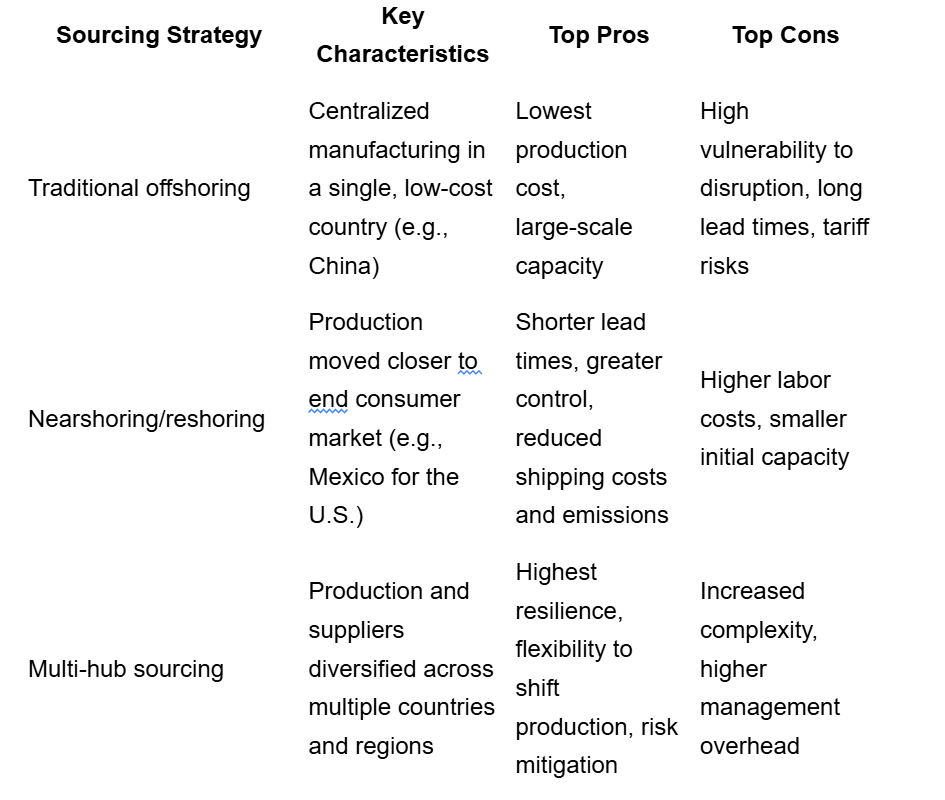
Brands are moving away from single-country dependency toward regionalised models that reduce risk and shorten lead times. Manufacturing hubs in Mexico, Southeast Asia, and South Asia are gaining traction as companies build more balanced sourcing networks.
Here's how the main approaches compare:
Distributed Fulfillment
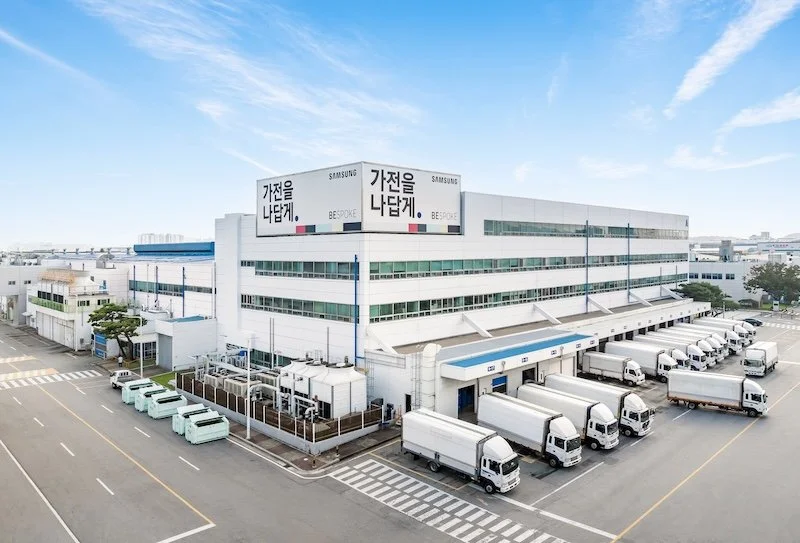
Another big shift is the move from large, centralised distribution centres to a network of smaller, strategically located fulfillment nodes. The goal is to position inventory closer to end consumers, cutting last mile costs and speeding up delivery. Research shows that 86% of e-commerce businesses plan to open additional fulfillment centres to support this approach.
To pull it off without heavy capital investment, many brands are partnering with tech enabled 3PL (third-party logistics) providers that can quickly spin up and manage distributed networks. That tracks with broader industry trends; over 90% of Fortune 500 companies already rely on at least one 3PL provider for logistics.
Multi-Carrier Flexibility
Retailers are also adopting multi-carrier parcel models to boost adaptability and control costs. These systems let you route deliveries in real time based on performance, cost, and destination, rather than relying on a single logistics partner.
Here's what that enables:
Cost optimisation: Dynamically selecting the most cost-effective carrier for each parcel and route.
Risk mitigation: Switching between carriers during peak seasons or regional outages to avoid service disruptions.
Better customer experience: Offering more delivery options (same-day, next-day) by tapping into different carriers' strengths.
Scalability: Handling order volume fluctuations without being constrained by a single carrier's capacity.
AI and Data in the New Supply Chain
Technology is the backbone that makes all of this possible. But two areas in particular are reshaping how logistics networks actually operate day to day.
AI and Predictive Analytics
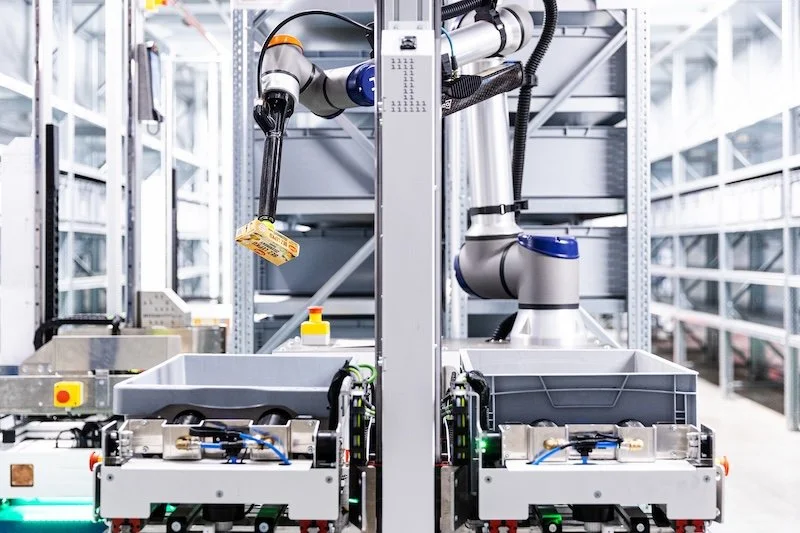
Artificial intelligence is shifting supply chain management from reactive to predictive. It's now widely used for demand forecasting, inventory placement across fulfillment nodes, and route planning to dodge disruptions before they happen.
How much does AI matter to logistics buyers? A recent study found that 74% of shippers would switch 3PL providers for superior AI capabilities. That tells you AI isn't a nice-to-have anymore; it's a baseline expectation.
End-to-End Visibility
Modern supply chains need granular, real-time visibility from raw material levels to last-mile delivery status. That transparency enables faster, more accurate decision-making when something goes wrong.
It's also a competitive differentiator. Brands that can give customers precise inventory availability and accurate delivery estimates build trust and loyalty. Companies like Ulta Beauty are investing heavily here, opening new distribution centres to strengthen their network capabilities and service levels.
From Cost Centre to Competitive Advantage
The supply chain restructuring underway isn't a temporary fix. It's a permanent strategic evolution. The future of e-commerce logistics depends on geographic diversification, distributed fulfillment, and flexible, technology driven operations working together.
Brands that invest in AI, build real-time visibility, and partner with agile logistics providers will come out ahead. They'll turn what's traditionally been a cost centre into a genuine competitive advantage, winning on both efficiency and customer satisfaction in 2026 and beyond.