Beyond the store: how smarter workplace design is powering the next generation of retail innovation
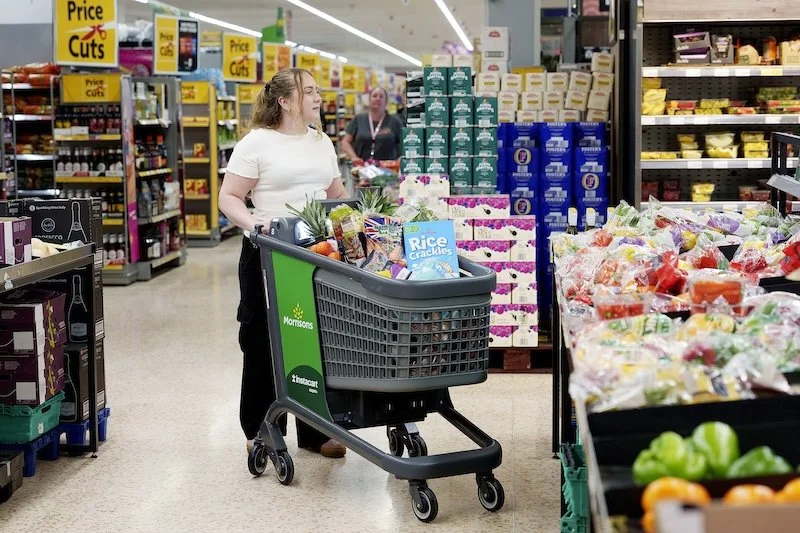
Artificial intelligence, RFID, computer vision, automation, digital payments, and omnichannel commerce continue to redefine modern retail. From intelligent inventory management to frictionless checkout experiences, retailers are investing heavily in technologies that improve both operational efficiency and customer engagement.
Yet one critical element rarely receives the same level of attention: the workplace where retail strategies are developed, technologies are implemented, and cross-functional teams collaborate to bring these innovations to life.
As retailers continue investing in digital transformation, many are discovering that innovation isn't driven by technology alone. It also depends on creating environments where merchandising, e-commerce, IT, marketing, supply chain, customer experience, and executive teams can work together seamlessly. The future of retail isn't simply about smarter stores - it's about smarter workplaces too.

Retail Transformation Doesn't End on the ShopFloor
Over the past decade, customer facing technology has dominated retail investment.
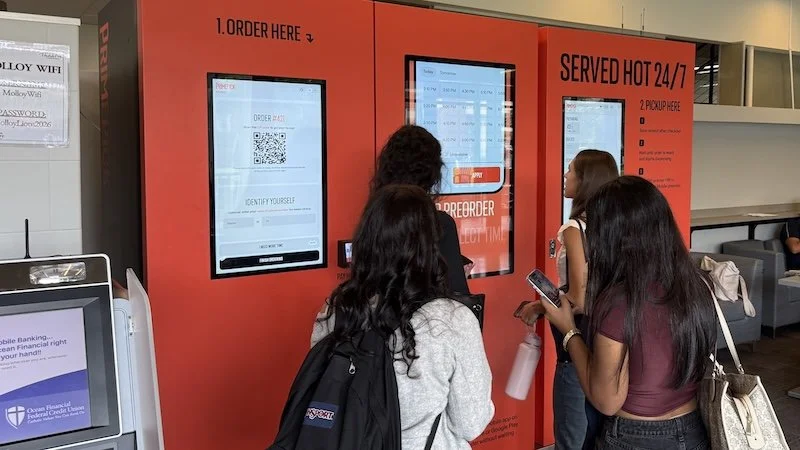
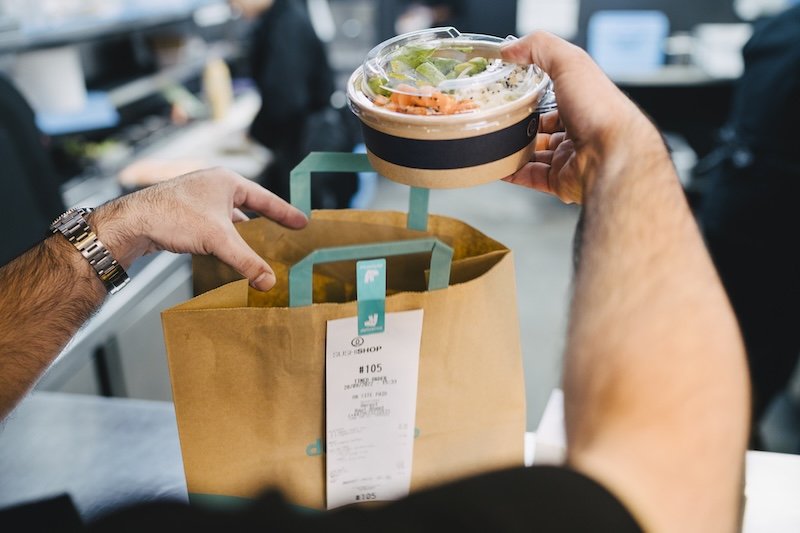
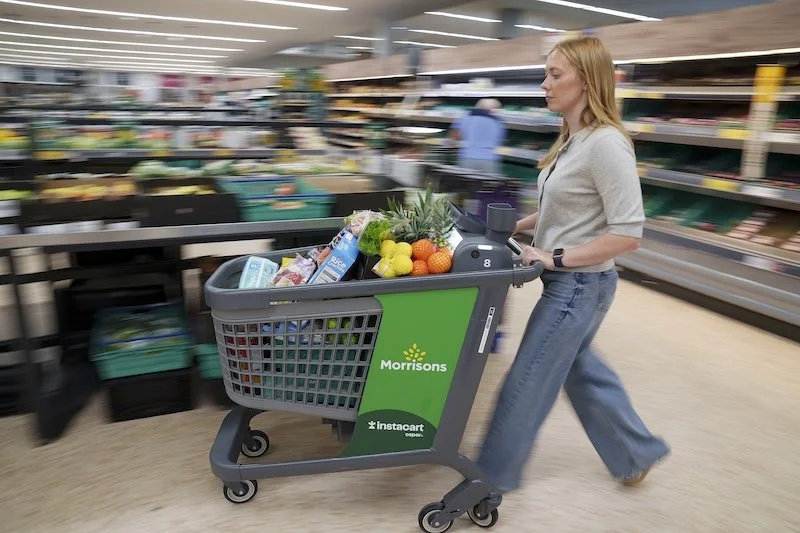
Mobile Point of Sale systems, AI powered inventory management, digital shelf labels, customer analytics, automated fulfilment, Click and Collect, personalisation engines, and cashier-less shopping have fundamentally changed how consumers interact with retailers.
These innovations undoubtedly improve the customer experience.
However, they're only part of the story.
Behind every successful technology roll-out are teams analysing customer data, developing omnichannel strategies, coordinating suppliers, integrating platforms, managing fulfilment operations, and responding rapidly to changing consumer behaviour.
These activities require workplaces that encourage collaboration rather than reinforcing traditional departmental silos.
As retail becomes increasingly interconnected, the environments supporting retail teams must evolve alongside it.
Omnichannel Retail Demands Cross-Functional Agility
Retail operations today are considerably more complex than they were only a few years ago.
A single customer purchase may involve:
● Online browsing
● Mobile applications
● Digital marketing campaigns
● Physical stores
● Distribution centres
● Customer service teams
● Loyalty platforms
● Third-party logistics providers
Supporting this ecosystem requires constant collaboration between departments that historically operated independently.
Merchandising teams work closely with ecommerce specialists.
Marketing collaborates with data analysts.
Operations partner with technology providers.
Customer insights flow directly into buying decisions, product development and inventory planning.
Traditional office layouts designed around fixed departments often struggle to support these dynamic workflows.
Forward-thinking retailers are instead creating environments that accelerate communication, improve visibility between teams and encourage faster decision-making.
The Retail Workplace Is Becoming a Competitive Advantage
Technology investments naturally attract executive attention.
Increasingly, however, retailers are recognising that workplace design plays a significant role in determining how effectively those technologies deliver business value.
Innovation thrives where conversations happen naturally - not only inside meeting rooms but throughout the workplace.
Leading retail headquarters now incorporate:
● Flexible collaboration zones
● Dedicated project spaces
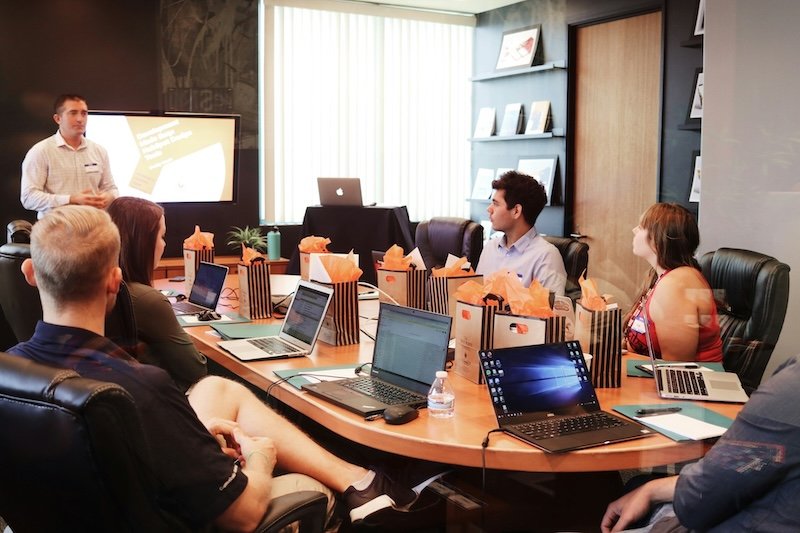
● Technology enabled meeting rooms
● Hybrid working infrastructure
● Quiet focus areas
● Informal breakout spaces
● Multi-purpose training environments
Rather than supporting rigid organisational structures, these workplaces are designed around activities, projects and collaboration.
This flexibility enables teams to adapt quickly as priorities shift throughout seasonal trading cycles and changing customer demands.
Hybrid Working Is Reshaping Retail Headquarters
Retail has experienced many of the same workplace changes affecting other industries.
Buying teams regularly visit suppliers.
Regional managers move between stores.
Technology teams operate in hybrid environments.
Marketing and ecommerce specialists collaborate across multiple locations.
The traditional expectation that everyone occupies the same desk every day has largely disappeared.
As a result, many retailers are now investing in office fitout services across Melbourne and other major commercial centres to create workplaces that better support hybrid collaboration, technology integration, and future growth.
The objective is no longer simply providing office space.
It is creating destinations where employees genuinely benefit from working together in person.
Where Technology and Physical Space Converge
Artificial intelligence, predictive analytics, automation, cloud collaboration platforms and digital communication tools continue transforming retail operations.
Yet technology alone cannot create high performing organisations.
Physical workplaces must also support these investments through:
● Reliable connectivity
● Flexible audiovisual systems
● Digital collaboration spaces
● Adaptable meeting environments
● Smart room booking technology
● Integrated presentation systems
● Flexible power and data infrastructure
When workplace planning aligns with technology strategy from the outset, retailers avoid expensive retrofits while creating environments capable of supporting future innovation.
Progressive organisations increasingly view workplace infrastructure as an essential component of digital transformation rather than a standalone facilities project.
Workplace Design Is Becoming Part of Innovation Strategy
Innovation begins with ideas.
Ideas emerge through conversations.
The quality of those conversations is often influenced by the environment in which they occur.
Progressive retailers are increasingly adopting workplace design solutions that align office environments with innovation goals, support agile project teams, and create spaces capable of evolving alongside rapidly changing business requirements.
These environments influence:
● Decision-making speed
● Knowledge sharing
● Cross-functional collaboration
● Employee engagement
● Project delivery
● Organisational culture
Rather than viewing workplace investment purely as an operational expense, leading retailers increasingly recognise it as infrastructure that supports innovation and long-term competitiveness.
Employee Experience Is Becoming a Strategic Priority
Retailers face intense competition for technology specialists, data analysts, e-commerce professionals, marketers and supply chain experts.
These employees have career opportunities across multiple industries.
The workplace itself has therefore become an increasingly important part of employer branding.
Today's professionals expect:
● Comfortable ergonomic environments
● Genuine workplace flexibility
● Seamless technology
● Spaces supporting both collaboration and focused work
● Natural light and wellbeing features
● Environments reflecting organisational values
Providing these experiences helps retailers attract and retain the skilled people responsible for driving digital transformation.
What the Research Is Telling Us
The relationship between workplace experience and organisational performance is becoming increasingly well documented.
Findings published in Microsoft's Work Trend Index continue to demonstrate how AI, hybrid work, and changing employee expectations are reshaping modern organisations. The research consistently highlights that people increasingly value workplaces that support collaboration, learning, and innovation rather than simply providing somewhere to complete routine tasks.
For retailers navigating digital transformation, these insights reinforce an important message.
Technology strategy and workplace strategy should evolve together.
Organisations that successfully align both are often better positioned to innovate, respond to market changes and build stronger employee engagement.
Sustainability Is Becoming Part of Workplace Strategy
Sustainability is also influencing workplace investment decisions.
Retailers are increasingly incorporating:
● Energy efficient building systems
● Flexible layouts that reduce future refurbishment waste
● Sustainable construction materials
● Improved indoor environmental quality
● Smart technologies that reduce unnecessary travel
● Adaptable workplaces capable of supporting long-term change
These initiatives contribute to ESG objectives while also improving operational efficiency and creating healthier environments for employees.
Looking Ahead
Retail innovation will continue accelerating.
Artificial intelligence, automation, predictive analytics and connected commerce will reshape customer experiences throughout the coming decade.
However, technology alone will not determine which organisations succeed.
The retailers best positioned for long-term growth will also invest in the workplaces supporting the people responsible for innovation.
Future retail headquarters are likely to become highly flexible, technology-enabled collaboration hubs where multidisciplinary teams develop new ideas, solve complex operational challenges and create better customer experiences.
Innovation Starts Behind the Scenes
Technology will continue transforming retail at remarkable speed, but technology alone will not create competitive advantage.
Behind every successful omnichannel strategy, AI implementation, customer experience initiative or digital transformation project are teams working together to solve problems, share knowledge and execute quickly.
Retailers that invest in both digital innovation and the workplaces supporting it will be better positioned to adapt, innovate and grow in an increasingly competitive marketplace.
The next generation of retail won't simply be powered by smarter stores - it will be powered by smarter organisations.