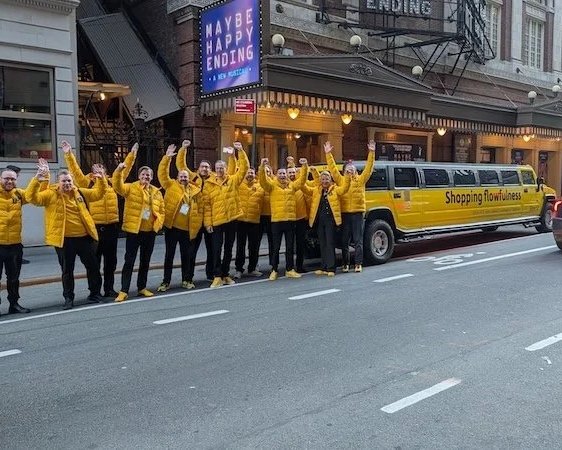
The future of guest experience in large scale events
The future of guest experience in large scale events is fewer moments where a guest has to solve a problem on their own. Booking, entry, wayfinding, and safety are being stitched into a single, connected experience rather than handled as separate jobs.
Most events don't fail because of one big mistake; they fail in small, unsolved moments. A booking link that didn't work, a line that crawled, a session nobody could find. The organisers pulling ahead right now are the ones closing those gaps before a guest ever hits one.
Photo credit: Unsplash.
Booking Is Transitioning Toward One Flow, Not a Scavenger Hunt
Booking is moving away from a patchwork of browser tabs and separate hotel links, toward a single flow that covers every partner property at once. Rates and inventory need to sync behind the scenes, in real time rather than overnight.
A guest should never have to piece the picture together themselves. A seamless event housing experience platform already shows what this looks like, through:
● Synced rates and inventory
● Rooms shifted between properties as blocks fill unevenly
● Automatic attrition and pickup tracking
A guest gets a room in a few clicks instead of a scavenger hunt across five browser tabs. An organiser sees the whole picture in real-time instead of waiting on reports from each hotel, and problems in the block get caught while there's still time to fix them.
The Entrance Is Shifting Away from Feeling Like a Checkpoint
The first few minutes at the door shape how a guest feels about the entire event. Entry needs to move fast without feeling like a security screening.
Credential checks are becoming automatic, and cameras are covering every choke point so nothing gets missed. Trained staff paired with dependable commercial security systems make this shift possible, bringing a few practical upgrades:
● Sub-second badge scans
● Early bottleneck detection
● Staff focused on exceptions instead of routine scans
The result is a line that moves fast enough to never read as poor planning, no matter how the rest of the day goes. Guests judge an event within those first few minutes. A smooth entrance ends up carrying more weight than almost anything that happens afterward.
Incident Response Is Moving Past the Front Gate
Good security can't stop working once a guest walks past the entrance. A crowded hallway, a loading area, or a side entrance needs the same fast response as the front gate.
That means every zone of a venue has to report into one connected system, not separate, disconnected teams. Making that work in practice means:
● Centralized security dashboard
● Alerts routed to the nearest available staff member
● Consistent response times across every zone
A problem in a side hallway gets caught by the same system watching the front door. It doesn't go unnoticed just because it's out of the main sightline. That's what turns security from a single checkpoint into protection that actually follows a guest through the whole event.
Guests Are Looking for an Event That Already Knows Them
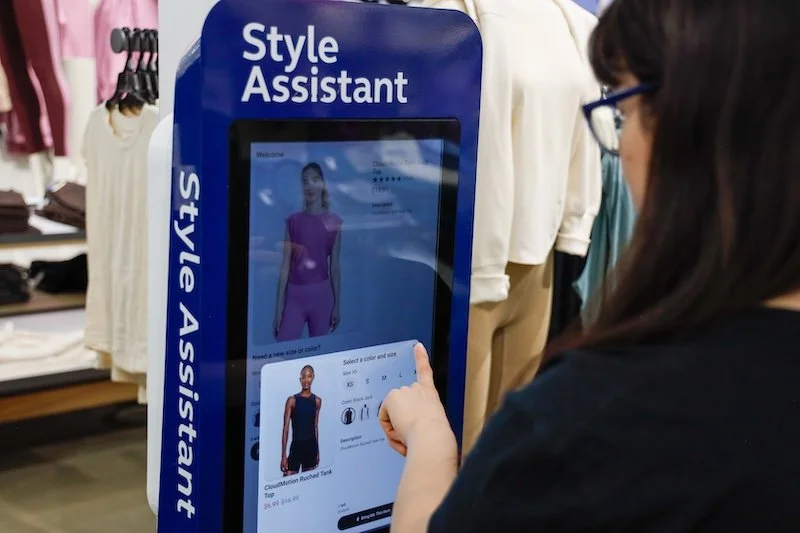
Guests are looking for a badge or app that greets them the way their phone already does. That means recommendations built around their own history, not a one-size-fits-all itinerary.
Hospitality has already shown what this looks like at scale. Large events are applying the same logic to badges and apps, like:
● Session suggestions based on past picks
● Instant answers to logistics questions
● Shortcuts for repeat guests
Fewer guests end up wandering around looking lost. Fewer stop staff just to ask for directions, an app could have answered first. That shift frees up staff to handle problems that actually need a human, instead of repeating the same directions dozens of times a day.
Event Planning Needs to Read the Room in Real Time
Planning is moving away from locking in a schedule months out and hoping the crowd behaves as predicted. It needs to read live data while the event is still running, tracking things like:
● Crowd density by zone
● Wait times at entrances and food stands
● Sessions nearing capacity
A packed session gets overflow seating before people start standing in the aisles. A slow food line gets a second register before guests walk away hungry. None of it needs a guest to complain first, since the data already flags the problem before it shows up on the floor.
Payments Are Becoming Invisible
Paying for anything at an event is moving away from cash lines and card terminals, toward a single credential that handles everything. A guest shouldn't need a separate wallet, ticket, or card to buy food, merch, or a drink. That shift relies on:
● One credential covering entry, purchases, and session check-ins
● Real-time spending sync across every vendor
● Refunds and balance checks built into the app
A vendor stops worrying about processing delays or mismatched totals at the end of the night. An organiser gets a live view of concessions revenue without waiting on a manual reconciliation the next day.
The Event Doesn't End When the Guest Leaves
Guest experience is stretching past the final session to include what happens after a guest goes home. Feedback shouldn't wait for a generic survey email a week later.
It needs to come from what actually happened on-site, like which sessions filled up, where lines formed, and what guests searched for in the app. That data needs to feed directly into:
● Personalised follow-up based on attended sessions
● Exclusive early access and engagement perks
● Data driven insights for future event planning
A guest gets a follow-up that reflects what they actually did, not a blanket recap everyone receives. An organiser walks into the next event already knowing what worked, instead of starting from a blank page.
Closing the Gaps at Your Next Large Scale Event Starts Now
The future of large scale events depends on delivering connected, seamless experiences that remove friction at every stage of the guest journey. Get the right event technology solutions in place, and safety, speed, and personalisation stop competing. Guests move through the day without hitting a single unsolved moment.
Did this give you a clearer picture of where large scale events are headed? If so, explore our other articles for more insights on the technology and strategies shaping the future of guest experience.