The rise of the supermarket cafe: how do they benefit retail stores?
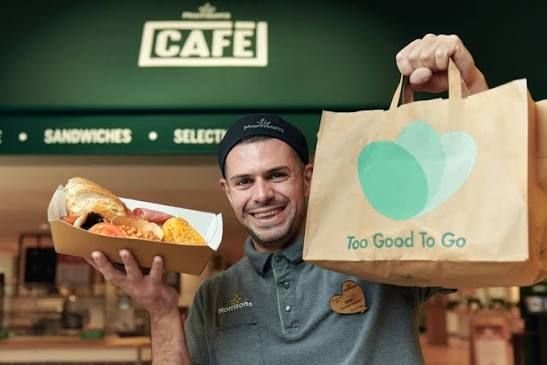
As of March 2026, Morrisons has a total of 343 cafes across the UK. These are small dining areas that offer customers a range of breakfast options, classic British dinners and small snacks such as salad and soups.
This allows people to have a bite to eat before, after or while they are shopping at the store. Morrisons isn’t the only supermarket that has this option. Major players have created in-store cafes to compete with restaurant chains, such as Tesco, Sainsbury's, and most recently Co-op, which has just created a new cafe in one of their Leeds locations.
The range of what these cafes offer differs between chains. Sometimes they serve full dining options, but more commonly they offer a variety of baked goods alongside a hot beverage (coffee or tea). This allows customers to have a quick ‘pit stop’ during a shopping trip.
But what makes these supermarket cafes so popular, and how much do they benefit these retail stores as a revenue stream?
How Do Cafes Benefit Supermarkets?
In-store cafes offer a social ‘third place’ where customers can come to spend more time at their stores. The food is often very affordable, giving an excuse for people to come to the store, where they might then decide to do some shopping on top of their dining experience.
They are also extremely convenient for customers, catering to busy lifestyles with takeaway options and meal deals. It has been reported that cafes can make up to 10% of a store's total profit, meaning they are a good extra source of income.
Why Do We Love Baked Goods?
An important and fairly obvious reason why supermarkets have so many cafes in their chains is the popularity of baked goods. Artisan treats are receiving a surge in popularity due to their comforting quality, accessibility and range of flavours.
The use of technology has also influenced the sales of baked goods, where mobile app deals allow people to get croissants or doughnuts for free. Many influencers are choosing to go on "bakery crawls" to try out different artisanal items.
The fact that baked goods are also aesthetically pleasing makes them ‘Instagrammable’ food items that customers can post, which in turn raises more brand awareness for the supermarket chain. People enjoy looking at the visually pleasing aesthetics of cakes and sweet items. This is perhaps why shows such as ‘Is This Cake?’ are so popular, or why slot games such as Baking Bonanza are an option in the world of iGaming.
On the financial side of this, the artisanal baked goods market is expected to grow from $33.79 billion in 2023 to $47.96 billion by 2030. These figures further show the popularity of baked goods and why supermarkets are choosing to optimise this by selling them in their stores.
This, alongside the fact that cafes offer an excellent social spot for customers, makes them an excellent extra source of revenue for retail stores. It demonstrates why there are so many across the UK and why more are being built each year.