Integrating print-on-demand services with e-commerce platforms
Retailers are increasingly adopting print-on-demand services as they integrate with e-commerce platforms, particularly to support the needs of shops using marketplaces like Etsy. Integration decisions now affect product variety, order accuracy, and operational reliability for sellers running digital-first retail operations. Understanding integration models, data flows, and quality factors is essential for those aiming to maintain a strong online presence and meet Etsy buyer expectations.
Integrating print-on-demand services with modern e-commerce platforms has become central to retailers seeking agility and product diversity, especially for Etsy sellers. The popularity of personalised and low-inventory retail in Etsy shops puts extra emphasis on integration strategies, as seamless system connectivity influences fulfilment speed and reliability. For many sellers, print on demand for Etsy is a prime example where flexible integration options allow for managing large, customisable product catalogues and responding to evolving consumer trends. To navigate these workflows successfully, retailers must consider not only the technology but also how it supports order accuracy, returns, and customer trust - specific factors relevant to Etsy's marketplace.
Why seamless integration matters for retailers now
Retail environments such as Etsy require fast delivery, a wide product range, and minimal inventory risk. Print-on-demand services can help address these needs, enabling shops to offer diverse catalogues without holding excess stock.
The effectiveness of these models depends on how well your systems communicate. Smooth integration between print-on-demand platforms and e-commerce solutions, including Etsy, helps ensure new products are launched quickly, inventory remains accurate, and orders are synchronised without manual intervention. For Etsy retailers, this can reduce time-to-market for new designs and help maintain a positive buyer experience.
Comparing core technical integration approaches
Integrating systems can follow several main approaches, including native Etsy apps, API first connections, and the use of middleware or automation tools. Native integrations are often built directly into e-commerce platforms, providing convenience and standardised features for typical Etsy product ranges or shops with lower order volumes.
For more complex shop workflows, API-based integrations offer flexibility for customising product data, compliance, and fulfilment settings. Middleware and automation tools can bridge platforms by mapping orders, products, and customer data, which is particularly useful for sellers managing more than one marketplace or coordinating inventory across multiple stores.
Managing data flows and points of system contact
A robust integration for Etsy print-on-demand workflows must handle core data exchanges such as product creation, variant management, price changes, and artwork uploads. Orders should flow automatically from the Etsy platform to the print-on-demand service, with status updates clearly reflected for both staff and customers within the Etsy dashboard.
Notification systems, customer messaging, and fulfilment status changes depend on reliable synchronisation, especially on platforms like Etsy where buyer communications and transparency are closely monitored. Well-integrated systems allow quick intervention for changes or exceptions, maintaining service quality during busy sales periods. For sellers scaling up to new channels or increased Etsy demand, integration should support order queues, retries, and error handling to ensure consistent fulfilment performance.
Handling product catalogue complexity and personalisation
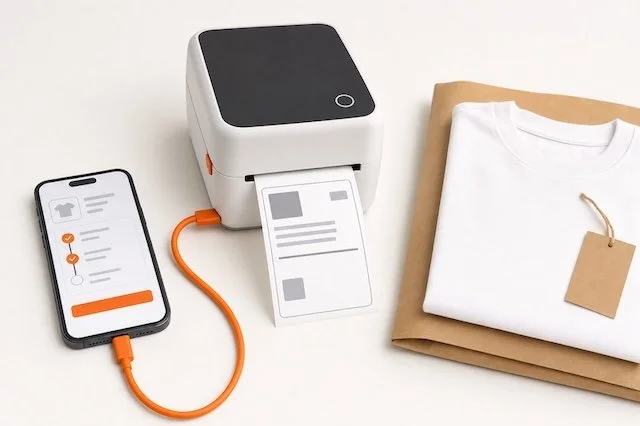
Etsy sellers often manage product catalogues with many SKUs featuring various sizes, colours, and personalised options. An effective integration for print-on-demand workflows must map attributes, images, and pricing accurately between the print-on-demand partner and the Etsy shop.
Transferring artwork files, creating mockups, and handling personalisation options all require secure file transfer and careful version control. Automated syncing of product options ensures updates appear promptly across the shop, minimising administrative workload and helping maintain listing accuracy - essential for Etsy's customer-centric environment.
Ensuring operational reliability and maintaining scale
Operational reliability relies on monitoring demand spikes, retrying failed transactions, and tracking exceptions across the entire workflow. Integration models supporting queuing and clear reporting enable quick responses to operational issues before they impact customers.
Transparent SLA definitions and robust error handling can reduce risks of delayed or missed deliveries, contributing to customer satisfaction on Etsy. Consistent, dependable integration underpins repeat business and positive store reviews on the marketplace.
Data protection and risk management procedures
With growing focus on privacy, data protection and controlled access have become essential, especially for Etsy sellers dealing with customer data and custom artwork. Audit trails, secure file transfers, and regulated access ensure traceability of each transaction if needed for support or compliance.
It is increasingly important for retailers to demonstrate that their integrations protect sensitive customer data and proprietary artwork. Observing these standards helps maintain operational trust and ensures compliance with platform expectations and wider industry regulations.
Evaluating integration performance and migration planning
Key metrics such as order exception rates, fulfilment times, and automation coverage are critical for Etsy print-on-demand workflows. Monitoring returns, reprints, and customer queries provides insights into integration quality and helps address buyer experience issues quickly.
When considering new providers or additional sales channels, Etsy sellers must plan migration by mapping SKUs, preserving historical order data, and rolling out changes in stages to reduce disruption. Testing in sandbox environments supports smooth transitions, ensuring that core shop operations continue without interruption as the business scales.