Why diesel is the preferred fuel for heavy-duty fleet vehicles
Choosing the right fuel for a big fleet of trucks is a major decision for any business. Many people talk about electric power or gas, but diesel still leads the pack for heavy work. It offers the strength needed to move huge loads across long distances.
Fleet owners look for fuel that saves money and keeps trucks on the road longer. Diesel has a history of doing exactly that for decades. It remains the top choice for companies that need to move goods fast and reliably.
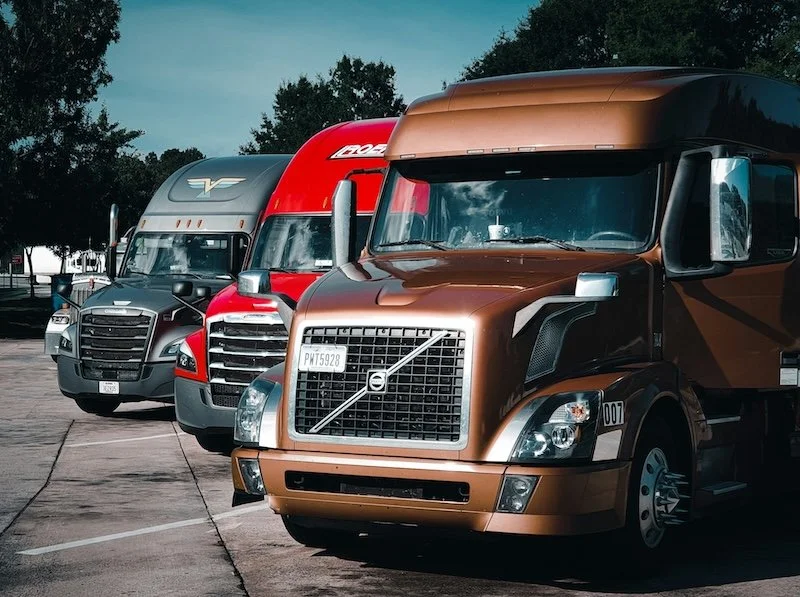
Photo credit: Unsplash.
Power and Efficiency for Every Mile
Diesel fuel holds more energy in every gallon than gasoline does. This means a truck can go further on a tank of fuel. A recent article noted that diesel engines provide 30-35% better fuel economy than gasoline options for long hauls. This efficiency helps fleet managers keep their costs down over time. It is a major reason why big rigs rely on this specific fuel type.
The way diesel burns creates more work from the same amount of liquid. Gasoline engines use spark plugs, but diesel engines use compression to ignite the fuel. This process is more efficient and produces more power for the truck. Drivers notice the difference when they are climbing steep grades with a full trailer. The truck stays in a higher gear and maintains speed much better.
Massive Torque for Heavy Loads
Heavy trucks need a lot of pulling power to get moving from a stop. Diesel engines create high torque at low speeds, which makes them perfect for towing tons of cargo. A technical piece explained that rugged 4-cycle industrial diesel engines deliver reliable power and respond quickly to load changes. This performance is hard to match with other power sources. It keeps heavy-duty vehicles moving safely on steep hills or busy highways.
Torque is the force that turns the wheels and gets the load moving. Without high torque, a truck would struggle to pull away from a loading dock. Diesel engines are designed to produce this force at low engine speeds. This means the engine does not have to spin fast to do hard work. It keeps the machine cooler and reduces the stress on the internal parts.
Long Life and Engine Durability
Diesel engines are built to last much longer than standard car engines. They use heavier parts and operate at lower RPMs to reduce wear and tear. Mechanics often find that rebuilding a block is cheaper than buying a new one. Many shops offer remanufactured Cummins 855 engines for trucks that need a fresh start in life. This process saves resources and extends the life of a reliable vehicle.
● High energy density per gallon.
● Proven reliability over millions of miles.
● Wide availability at fueling stations.
● Superior torque for heavy hauling tasks.
Reliable Performance in the Field
Trucks often work in harsh conditions with extreme heat or cold. Diesel engines are known for starting and running well in these environments. Industry data mentions that certain engine series have been proven through millions of operating hours in demanding applications. This track record gives fleet owners confidence in their daily operations. They know the equipment will hold up even when the weather gets bad.
Reliability means the truck is making money instead of sitting in the shop. Every hour a truck is down costs the fleet owner a lot of cash. Diesel engines are simpler in some ways since they lack a complex ignition system with wires and plugs. This simplicity leads to fewer small parts that can fail on a long trip. It keeps the fleet moving and the drivers happy.
Modern Efficiency and Sustainability
New technology is making diesel cleaner than it was in the past. Filters and exhaust systems now catch most of the soot and pollution. A report on fleet trends found that 64% of companies now make building a sustainable fleet a top strategic priority. They use cleaner diesel and better engine management to meet these goals. It shows a commitment to the environment without giving up the power of diesel.
● Lower CO2 emissions in newer models.
● Advanced exhaust fluid systems.
● Better fuel injection technology.
● Smart engine monitoring software.
Current Market Dominance
Even with new alternatives, diesel remains the king of the road for new vehicles. Most manufacturers still focus on diesel for their heaviest models. A market study pointed out that diesel accounted for over 93% of all new truck registrations recently. This shows that the industry is not ready to switch away from this reliable fuel yet. Parts and service for these engines are easy to find anywhere.
The resale value of diesel trucks remains high for a long time. People know these trucks can do the work and will last for years. A used gas truck might not find a buyer as fast as a used diesel rig. This value helps fleet owners when it is time to upgrade their equipment. They can get a good price for their old trucks to help pay for the new ones.
The Future of Commercial Transport

Photo credit: Unsplash.
Change is coming to the trucking world, but it happens slowly for heavy-duty vehicles. Electric trucks are starting to appear in cities for short trips. One prediction suggests only 19% of the heavy commercial truck fleet will run on electricity by the year 2040. Diesel will likely remain the standard for long-distance travel for a long time. The infrastructure for other fuels is not yet ready for massive fleets.
Batteries are still very heavy and take up a lot of space in a truck. This reduces the amount of cargo a truck can carry legally. Diesel fuel is light and packs a lot of energy for its weight. For long trips across the country, diesel still has no real rival. It allows for maximum cargo capacity and the fastest travel times.
Fleet management involves balancing power, cost, and reliability every single day. Diesel continues to provide the best mix of these traits for the toughest jobs. It allows trucks to carry more and travel further without stopping for long charges or frequent refills. The heavy-duty world stays rooted in diesel power for now. It is a proven system that keeps the supply chain moving across the globe. Investing in quality diesel equipment means that a fleet stays competitive for years to come.