Top retail innovation technology trends for 2026: AI, data analytics and digital transformation
In 2026, successful companies will increasingly rely on retail innovation technology to maintain a competitive advantage. Digitalisation of processes enables optimised store operations, improved customer experience, and data driven decision-making. Innovation is emerging as a major source of growth, providing new developmental prospects. The next sections will discuss the major trends that will shape retail in the future.
Key Retail Technology Trends for 2026
Companies are seeking to implement innovative retail technologies to discover new ways to optimise operations, engage with customers, and gain useful information. Understanding these consumer tech trends is crucial in 2026 and beyond. Among the most influential developments are:
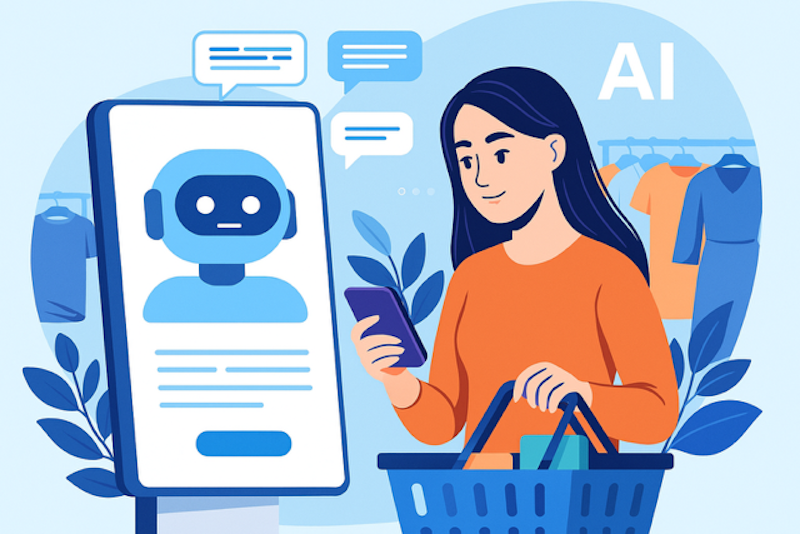
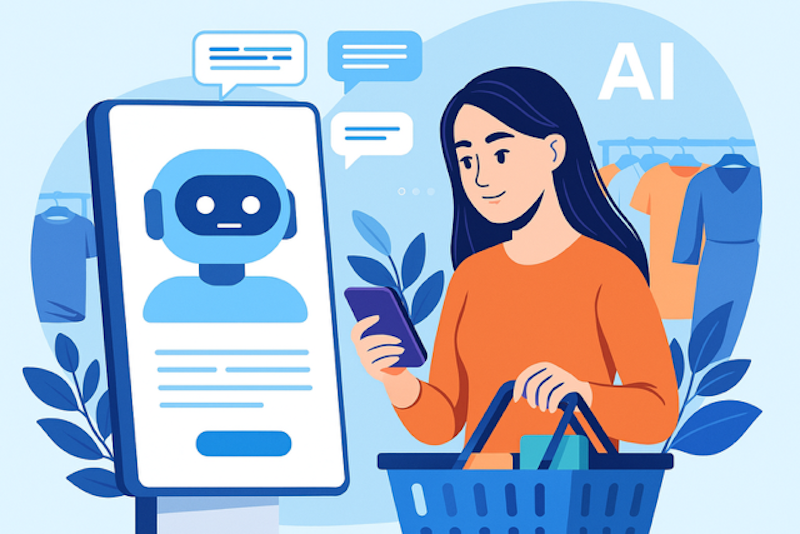
● AI in demand prediction and personalisation - Retailers actively apply AI in retail to predict customer behaviour, personalie offers, and optimise inventory in a more efficient manner. Smart algorithms enable companies to act in a dynamic way according to seasonal changes and purchase trends. Some retailers are extending these same AI capabilities upstream into their marketing and sales motions through platforms built for AI GTM strategy, aligning customer insights with outbound targeting before a shopper ever reaches the funnel.
● Customer behaviour analytics - Retail data analytics help businesses track buying patterns, divide audiences, and develop targeted marketing strategies. These observations translate to improved product placement, promotion, and personalisation of service.
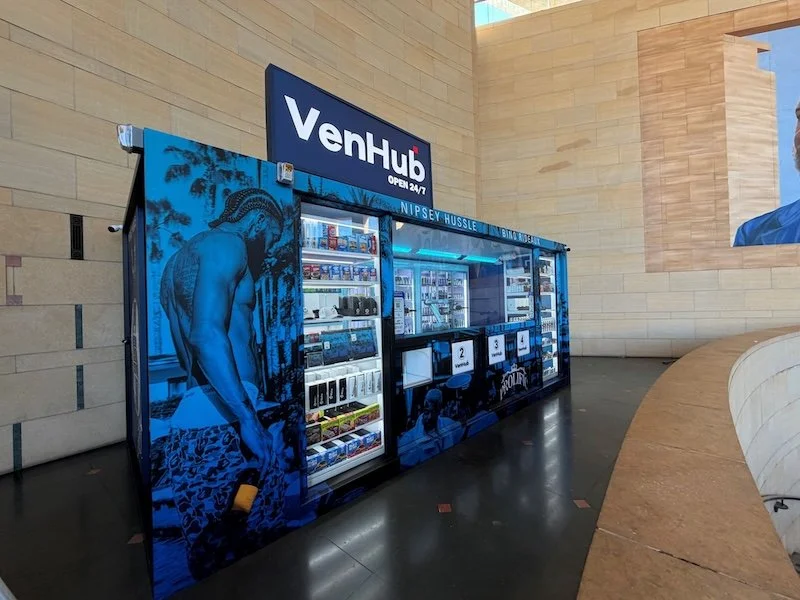
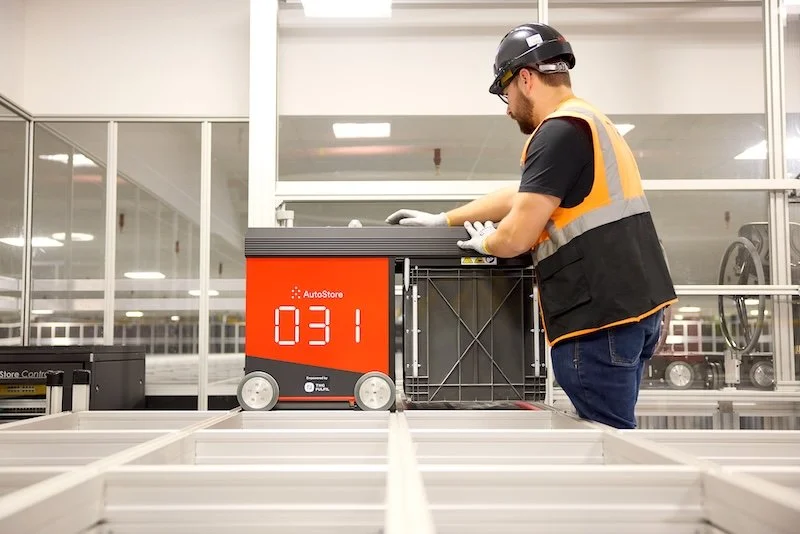
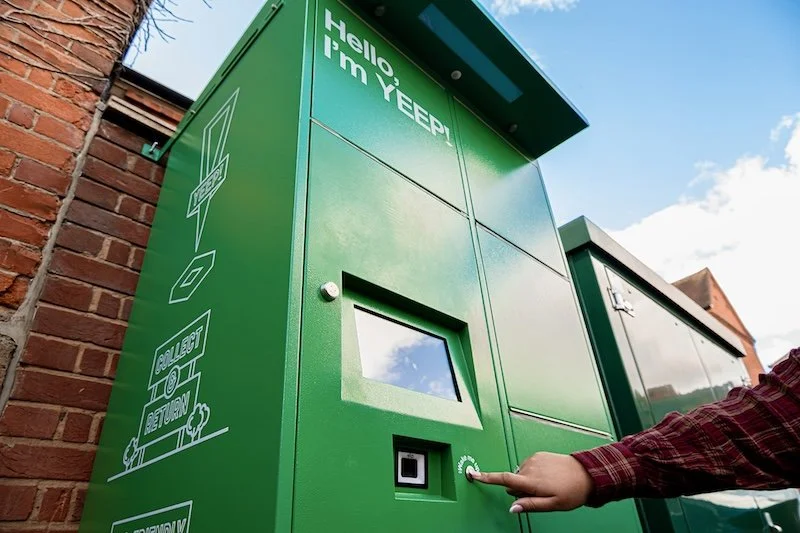
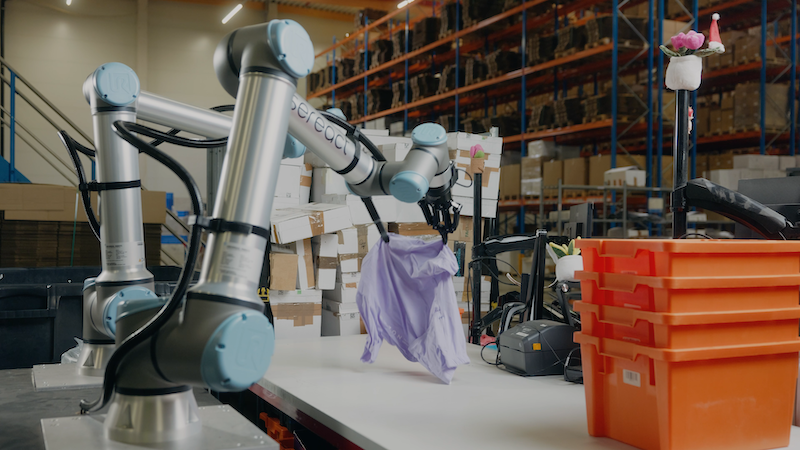
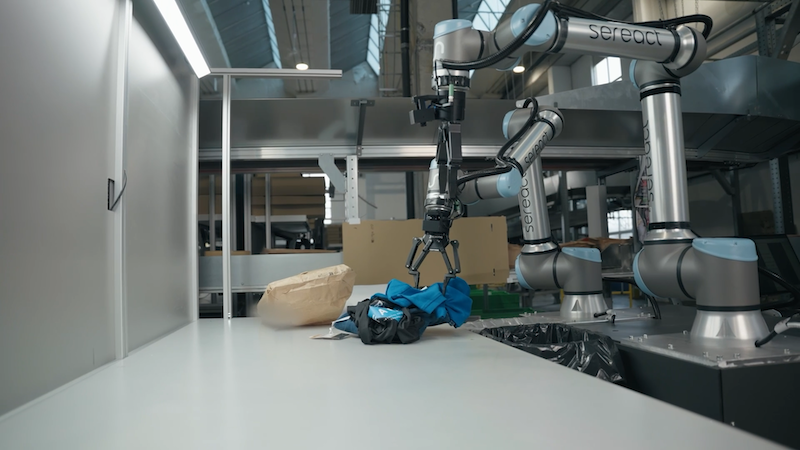
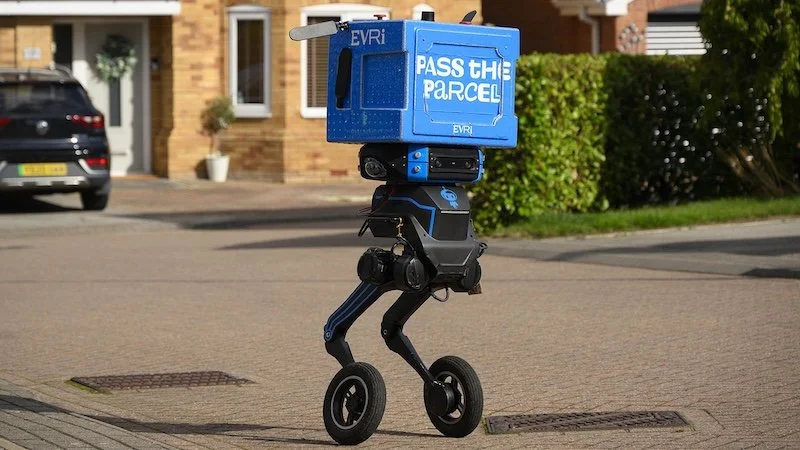
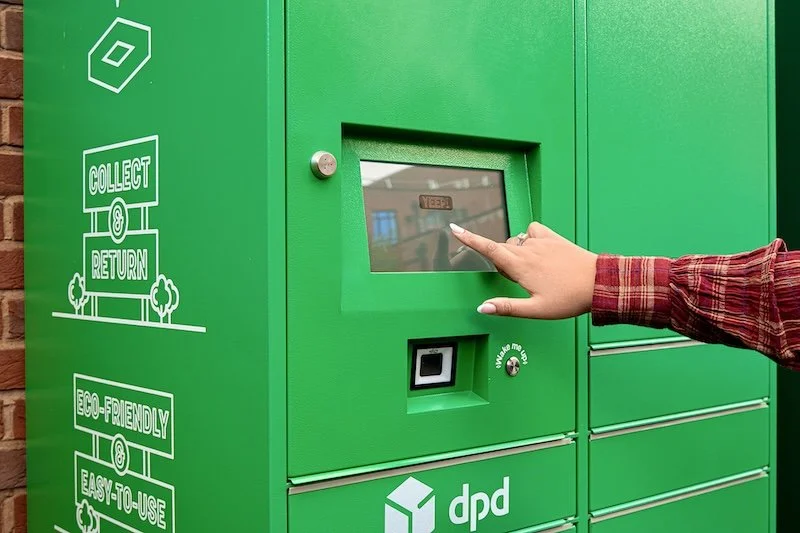
● Automation of processes and robotics - Retail automation tools are changing the back-end business processes and in-store customer facing operations. Robots in warehouses, automated checkouts, and self-service kiosks help to take the operational load off and increase uniformity.
● Omnichannel solutions - The integration of online and offline channels enables a smooth shopping experience. Consumers require integrated content, whether on a site, mobile app, or in a physical store.
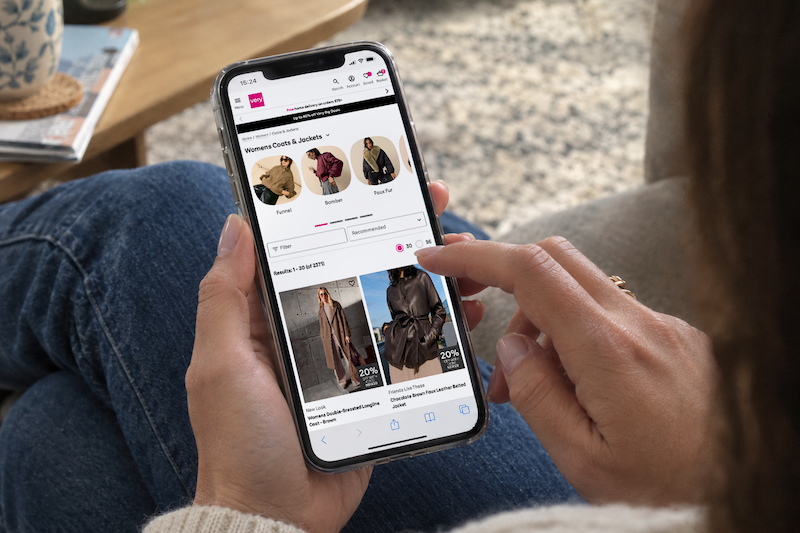
● Mobile apps to make shopping easier - Specific applications facilitate stronger interaction, offer real-time deals, personalised suggestions, and faster checkout. Brand loyalty and satisfaction are also increased with a mobile first approach.
These trends collectively shape modern retail technology trends. Businesses implementing consumer and retail tech solutions by Lumitech gain a practical framework for combining AI, analytics, and automation, leading to more informed decision-making.
Through alignment of technology to strategic goals, retailers are in a position to improve efficiency, customer satisfaction and remain competitive. Practically, a modest change in these directions may yield a considerable operational and financial profit in the long run.
Digital Transformation and Enhancing Customer Experience
Digital transformation is not a choice anymore, but it is a confirming factor of competitive retail strategy. Companies that take advantage of digital transformation in retail can combine operational efficiencies with high-level customer experiences and customised interaction in all touchpoints.
Omnichannel Solutions
Omnichannel retail solutions allow retailers to synchronise online and offline channels seamlessly. With a study of customer journeys on platforms, companies are likely to predict needs, provide targeted offers, and keep the inventory updated in real-time. Individualised communications, predictive analytics, and integrated loyalty programmes form a unified shopping experience.
Companies adopting consumer and retail technology solutions by Lumitech report improved customer engagement, higher repeat purchases, and a more comprehensive understanding of audience behaviour. These strategies also reduce friction between channels, ensuring shoppers encounter consistent service whether visiting a store, website, or mobile app.
Mobile Apps and UX
User experience design and mobile platforms are important in influencing customer satisfaction. Retail UX design is concerned with the intuitive and user-friendly navigation, availability of content, and a smooth checkout process. Combined with mobile retail apps, such a design solution enables consumers to engage with brands any time and anywhere.
Individualised suggestions, place-based offers, and simplified payment choices enhance interactions and devotion. With a combination of behavioral observations and usability testing, retailers are able to keep on updating the app experiences to make mobile interfaces productive customer retention and conversion tools.
Benefits of Digital Transformation
Digital transformation offers multiple measurable advantages:
● Improved customer satisfaction and loyalty due to customised experiences.
● Enhanced operational efficiency through lessening of manual loads.
● Swift reaction to the fluctuating market trends.
● Proper purchasing trends and preferences.
● More scalability and flexibility towards future innovations.
Organisations that successfully combine omnichannel strategies with mobile optimisation and data driven decision-making can unlock new revenue streams and strengthen brand reputation.
Practical Business Solutions
Retailers who want to see real changes are resorting to practical technology implementations that provide quantifiable outcomes. Knowledge of and implementation of the appropriate tools can be instrumental in realising efficiency and customer focused results.
Data Science for Retail
Data science solutions for retail allow companies to harness large volumes of data for predictive analytics, inventory management, and strategic planning. By analysing sales trends, foot traffic, and consumer preferences, retailers can optimise product assortments, improve pricing strategies, and forecast demand more accurately.
The analytics help in marketing campaigns, streamline supply chains, and minimise waste. Firms that incorporate data-based insights in their decision-making have an edge in the market, as they become more profitable and responsive.
AI in Asset Management
AI in asset management enables retailers to monitor inventory, manage resources, and predict potential operational challenges. Instant data analysis enables the business to realign stock levels in advance and reduce losses. AI tools can be used to make proactive decisions, enabling retailers to react more quickly to any changes in the market and remain highly service oriented.
Implementing AI also frees human resources for higher value tasks, such as customer engagement and strategic planning. By combining AI and analytics, companies can improve operational resilience while enhancing the overall customer experience technology.
Innovation Implementation and Consumer Behaviour Analysis
Successfully adopting technology requires structured implementation and continuous evaluation. Retailers often begin by aligning e-commerce technology solutions with strategic goals, ensuring systems integrate seamlessly with existing processes. Clear deployment plans, staff training, and iterative adjustments help avoid disruptions and maximise ROI.
Simultaneously, understanding consumer behaviour is vital. Consumer behaviour analytics provide insights into purchasing habits, browsing patterns, and engagement metrics. For instance, analysing shopping cart abandonment trends can inform UX improvements, while loyalty programme participation offers insights into brand perception.
Retailers that integrate the use of technology with behavioral analysis form feedback loops in continuous improvement. Over time, these capabilities foster a deeper understanding of consumer needs, improving customer satisfaction and driving sustainable growth.
Conclusion
In 2026, retail innovation technology is shaping the future of shopping, offering tools to enhance efficiency, personalise experiences, and anticipate market trends. AI, analytics, automation, and mobile solutions provide tangible advantages for retailers aiming to remain competitive.
Those companies that are adopting these technologies are not only positioning themselves for short-term gains but also to be resilient, agile, and grow in the long run. The approaches mentioned above show that the most effective way to succeed in the modern retailing world is the integration of technology with data driven insights.