.png)
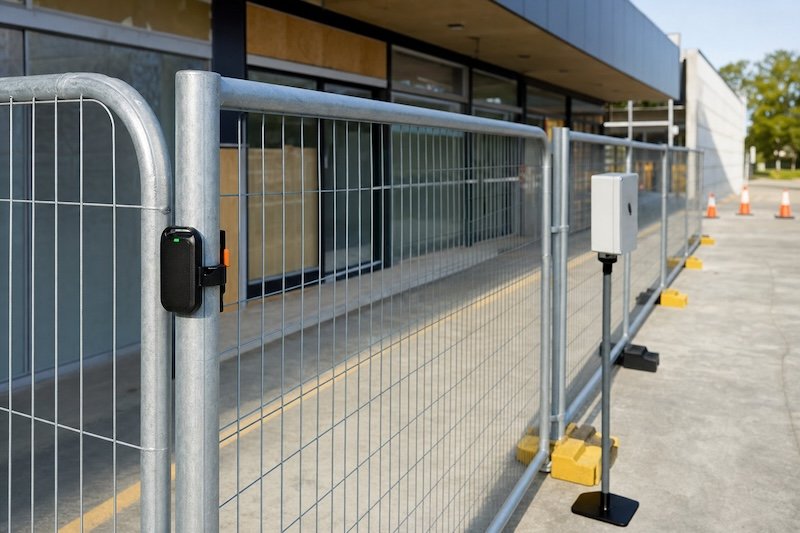
Modern retail buildouts and refurbishments often lose time and money when site fencing assets are mismanaged. Improved visibility into inventory movements can reduce losses and support safer, more efficient projects. IoT enabled asset tracking may help retail teams manage temporary infrastructure more effectively.
Many retail construction programmes encounter issues with misplaced or redeployed site barriers, leading to hidden costs such as loss, delays, and compliance risks. When deploying temporary fencing, a lack of real-time tracking makes it difficult to determine location, usage, or confirm that assets have been returned after project completion. This vulnerability to asset shrinkage can disrupt schedules and undermine safety controls, especially across multiple, concurrent store projects. The rise of IoT-enabled asset tracking is addressing these challenges by providing data at various stages of the asset lifecycle.

Perimeter asset loss disrupts retail programmes
Retail projects typically use high volumes of temporary site fencing and similar assets for safety and regulatory compliance. When these items are moved without record or left behind after a job is finished, operational impact follows, resulting in additional rental fees or shortages for future work.
In complex retail estates, perimeter assets may be transferred between sites or stored in yards without adequate tracking. Many organisations find too late that critical inventory cannot be located when refurbishment or rollout schedules require rapid redeployment. This situation increases project risk and reduces control over timelines and costs.
The financial impact of lost or misplaced perimeter assets extends beyond simple replacement costs. Retail organisations may face penalties for non-compliance when required safety barriers are unavailable, and insurance claims can become complicated when proper site security cannot be demonstrated. Additionally, the administrative burden of tracking down missing assets, reconciling invoices with actual inventory, and managing disputes with rental suppliers consumes valuable project management time that could be better spent on core construction activities. This cascading effect of asset mismanagement often results in delayed store openings and missed revenue opportunities during critical retail seasons.
How IoT-enabled tracking operates onsite
Adopting IoT-enabled asset tracking often involves equipping fencing panels or posts with wireless tags, such as BLE beacons or GPS devices where outdoor coverage is available. Some solutions use QR codes and sensor fusion to improve identification while minimising interference with site activities.
Gateways are installed at project sites, yards, or in transport vehicles to collect data passively as assets move. Because data collection usually does not require manual scanning, project teams gain improved visibility without introducing extra steps for build teams or contractors.
Turning location data into operational insight
Once IoT-enabled asset tracking has collected data from deployed hardware, cloud-based dashboards allow project managers to monitor inventory status, location, and dwell times across sites. These systems can transform raw data into insights about utilisation rates, return compliance, and asset lifecycle costs.
Integration with project management platforms or contractor scheduling tools may enable proactive allocation. For example, if a group of fencing units remains at one site after its project window, planners can be notified to schedule retrieval or redeployment. This helps to minimise extra fees and improve turnover between jobs.
Governance, privacy, and deployment hurdles
IoT-enabled asset tracking is designed to monitor equipment, not personnel, which may help support privacy while increasing accountability of contractors and subcontractors during large rollouts. Signal coverage and battery life are common concerns, so selecting the right equipment and tagging strategy is important for balancing durability, read range, and maintenance requirements that suit retail project environments.
Implementing a pilot programme allows teams to refine protocols for installation, scanning, and data review before broader adoption. Clear guidelines help familiarise staff and partners with workflows while reducing disruption or reluctance about new processes.
Establishing KPIs, such as loss rate reduction and improved audit readiness, enables project teams to measure the impact of IoT enabled asset tracking over time. Reliable, real-time visibility into inventory may help keep site perimeters secure, support compliance, and streamline execution across various locations, sustaining safety and operational predictability as retail projects progress, including the tracking of retail hoarding during refits.


Comments (0)
No comments yet.