Product range expansion is fuelling retailer growth
Product range expansion has been huge for retailers in 2026. Businesses are now shifting their focus from price increases as a way to sustain growth and are now focusing on broadening their portfolio so they can capture new customer segments. Own label products are also gaining traction as shoppers begin to prioritise value while maintaining their core lines.

Photo credit: Pexels.
Product Led Growth is Gaining Momentum
Companies like Spotify and Dropbox have expanded their service offerings by focusing on freemium models, with tiers and features that drive conversion. Levi Strauss & Co. has also diversified across different tiers, expanding existing lines rather than creating new ones.
Netflix is another example, as the company is continually expanding its Originals, as opposed to creating new categories of content. iGaming is showing a similar trend as well. Right now, there are 18 Big Bass games and counting, with Big Bass Splash UK being one of the biggest games in the series, next to Big Bass Bonanza. Rather than creating new titles, more developers are going back to the drawing board for existing games, as this builds on familiarity and loyalty, while allowing for diverse experiences.
Interestingly, we are also seeing more partnerships, rather than product line expansions. UK brand Laura Ashley recently saw their sales increase by 81% after their partnership with Next. This shows that brands aren’t just expanding their own lines; they are adopting the lines of others, over-expanding, to try and keep profit margins high while continually delivering new products to users.
Strategic Collaborations are On the Rise
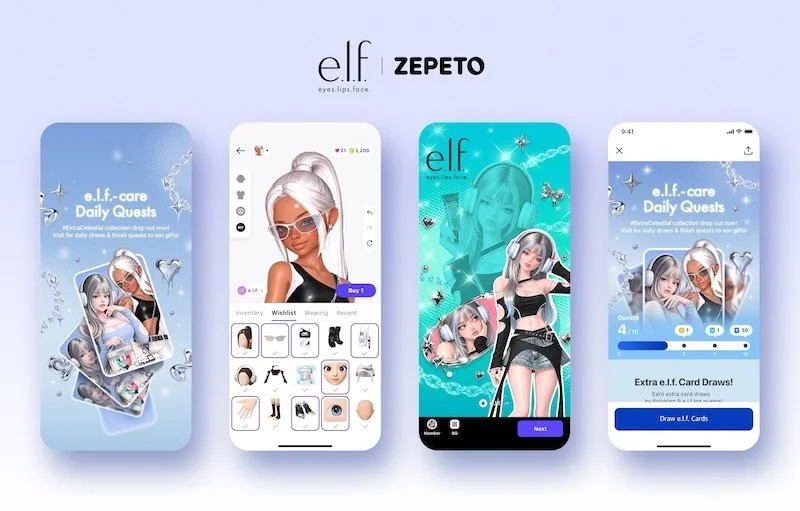
Through strategic partnerships, there’s also been a sharp increase in the amount of co-branded collections. This is a key tactic, as it allows brands to generate a lot of buzz without much marketing budget. US brands like Adidas and Nike have both collaborated with fashion labels and celebrities to create collections that attract new and existing audiences. Other examples would be the Oreo x Reese’s collaboration, which saw peanut butter added between Oreo cookies to hit new markets.

Photo credit: Pexels.
Previous collaborations include Taco Bell x Doritos, which helped to merge loyal fanbases. Greggs x Primark is another example, which showed a rather unique approach, as one is a clothing shop and the other is a local bakery. As the target audiences were the same demographic, the first collection sold out almost instantly. As data shows that collaborations can accelerate digital engagement, we are seeing more limited edition product drops drive social media activity, as well as email sign-ups and pre-orders.
This helps to create ROI that can be accurately measured, alongside the sales that are being made. Retailers are facing more and more saturation in traditional markets. With brands struggling to maintain relevance in competitive landscapes, it’s so important that companies find ways to not only stand out but also to relate their product to their target audience.
If this can be done, then it becomes more cost-effective to expand existing lines and to initiate collabs than to launch new lines that require more investment.