.png)
As in-store digital investment rises, Scala EMEA’s General Manager, Harry Horn, shares his thoughts on what makes in-store digital solutions successful for brands and shoppers.
In-store digital solutions, especially signage, have been generating headlines of late, largely thanks to the rapid growth of retail media networks and the rush to add in-store digital signage inventory.
But while the newly appreciated commercial opportunity presented by in-store digital signage is exciting for many, the underlying technology has been serving retailers, brands, and shoppers for decades. In-store retail media is, in many ways, simply shining a brighter light on capabilities that have quietly delivered significant value for years.
“Retail media has provided a fresh focus on in-store digital’s capabilities, which is a positive development. Increased attention to what differentiates digital from static signage - such as its impact on the brain and its versatility, scalability, and sustainability - is always beneficial,” says Horn. “However, digital solutions in-store are more than an advertising channel. Retailers and premises must carefully define the outcomes they want and how to measure success.”
Scala, who have been deploying digital signage, software and other integrated solutions for almost 40 years, provides, maintains and scales up in-store digital capabilities for a variety of premises types.
Their client list includes some of the world's most recognisable retailers for whom they provide the display and content management systems for in-store retail media as well as guided selling solutions, in-store game opportunities for brands, product discovery activations, digital displays and more.
Horn, who has been part of the Scala team for the last 15 years, has seen the evolution of in-store digital and is enthusiastic about the future: “Data from our own partners as well as competitors all show the value of digital to businesses. From menu boards and ordering systems, to AI assistance on team tablets or digital signage at till points, digital solutions are creating efficiencies, increasing customer satisfaction and driving sales.”
The foundations of modern in-store digital
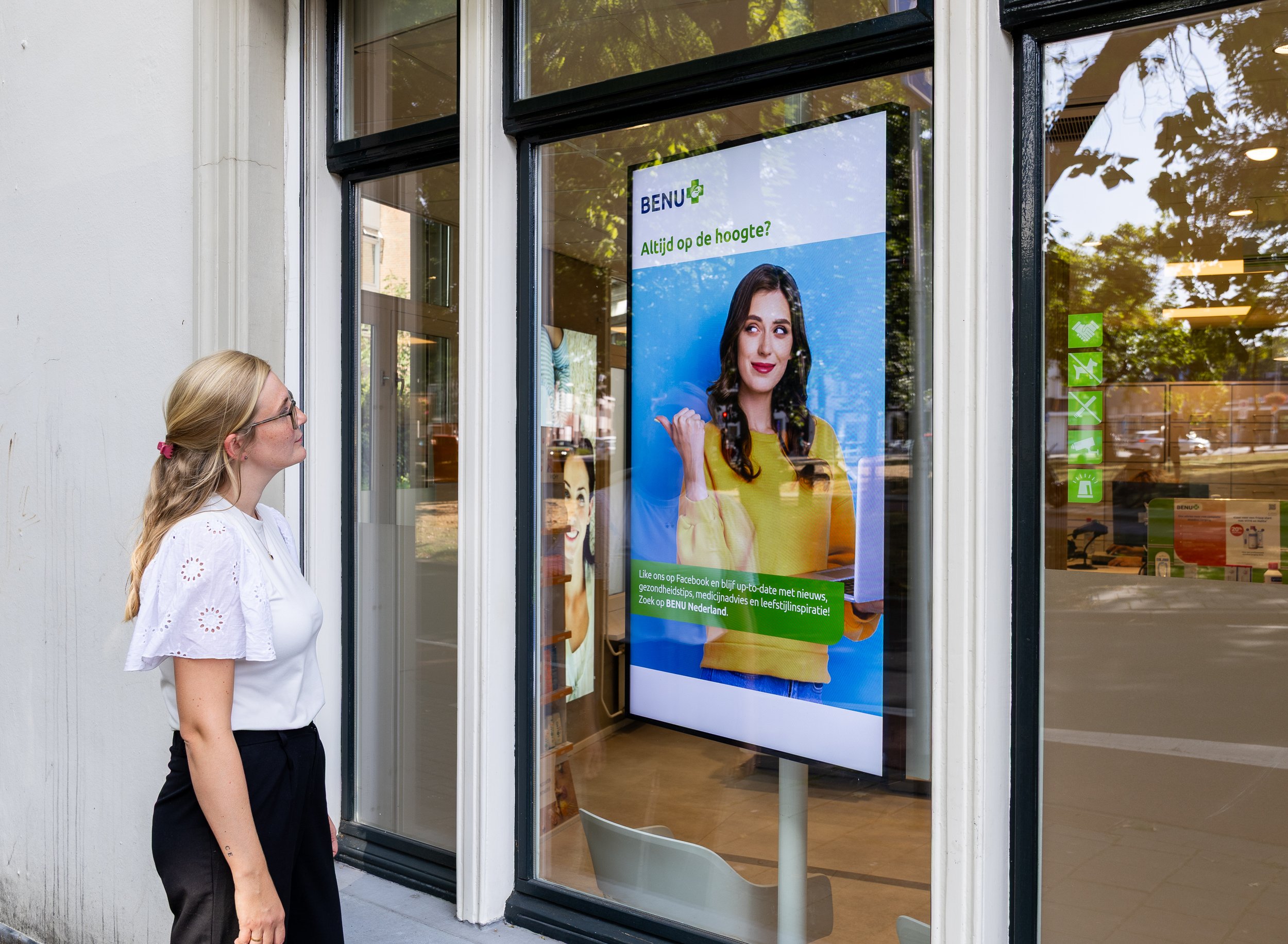
Long before the term “retail media” entered the mainstream, digital signage was already playing a critical role in physical environments. Screens positioned at storefronts, aisles, and checkout areas, attract customers, communicate brand identity, and promote offers in real-time.
Unlike static signage, digital displays enable retailers to react instantly - adapting messaging based on time of day, inventory levels, or even external factors such as weather. This flexibility has made digital signage one of the most effective tools for bridging the gap between online and offline retail, helping brands create cohesive, omnichannel experiences.
80% of retailers are now using digital signage to enhance in-store experiences and drive conversions. Studies also show that digital signage boosts the likelihood of featured products to be purchased by 8.1%, underlining its effectiveness at influencing shopper behaviour at the point of decision.
The enduring appeal of physical retail
The rise of online shopping which accelerated during the 2020 lockdown, led many to predict physical retail would decline. It hasn’t. E-commerce channels remain critical, but consumers have returned to stores, attracted by tangible, social, and experiential qualities that online can’t match.
Brands have responded with renewed investment in bricks and mortar. New store openings are continuing across sectors, often with innovative formats designed to maximise engagement and efficiency. “Shop-in-shop” concepts, where brands create curated spaces within larger retail environments, are becoming increasingly popular, allowing for deeper brand storytelling and more controlled product presentation; presentations that can benefit deeply from digital displays and interaction opportunities to articulate the visiting brand’s point of difference.
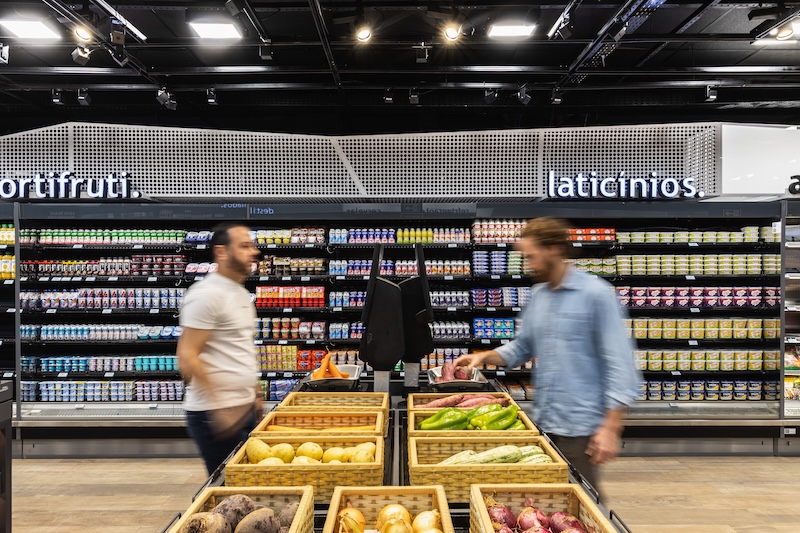
At the same time, smaller footprint stores are emerging in urban centres, designed for convenience and high-impact experiences rather than extensive inventory. These formats rely heavily on digital technology to virtually extend product ranges, guide customers, facilitate sales and customisation, and create immersive environments within limited physical space.
The role of experience and technology partners
Delivering these environments requires more than screens. It takes strong technology, creative design, and operational know-how. As Horn notes, companies like Scala play a pivotal role: “Experience matters in designing, installing, and maintaining digital solutions in shop-in-shop environments, where brand requirements change often. The same is true for small spaces where digital lets shoppers explore and order off-site inventory. To create a reliable and impressive digital experience, retailers need a capable technology partner.”
With nearly four decades of experience, Scala leads in digital signage innovation, providing scalable solutions that blend hardware, software, and services. While focusing on retail, Scala’s technology supports businesses as diverse as stadiums, airports, museums, healthcare, and emergency centres.
Building for today, and tomorrow
Horn says the key to successful in-store digital is balancing immediate impact and long-term flexibility:
“Retailers need solutions that work flawlessly from day one, but just as importantly, they need systems that can evolve. That means using proven, reliable software and hardware, and working with experts who understand how to scale. The most effective in-store digital experiences are those that meet today’s needs while being ready for whatever comes next.”
This emphasis on scalability is increasingly important as retailers expand their digital ambitions. What might begin as a pilot in a handful of stores can quickly grow into a global network which requires consistent performance, centralised control, and the ability to adapt to new use cases.
Award winning innovation in action
Scala was recently recognised with a Digital Signage Award for Retail Marketing and Messaging for its work with one of the world’s leading multi-energy providers, Repsol. The project delivered a marketing solution that can seamlessly connect thousands of displays across Repsol’s service station network in Spain and Portugal.
The scale and complexity of the deployment highlight how far in-store digital has come - from isolated screens to fully integrated, networked ecosystems that deliver consistent, high quality experiences across vast estates.
“What we’re seeing with Repsol and similar installations is a real shift in expectations. In-store digital experiences are becoming more varied, more ambitious, and more technically demanding. They need to deliver different types of content across environments, all while remaining easy to manage and scalable. That’s what makes this space so exciting - it’s challenging, it’s creative, and it gives us a chance to really demonstrate what’s possible,” notes Horn.
He adds that this growing appetite for innovation is something Scala actively welcomes: “It’s genuinely exciting to see retailers and other organisations pushing the boundaries. These projects are fun to work on, and they allow us to showcase the full potential of our technology and partnerships.”
The future of in-store digital experiences
Looking ahead, the future of in-store digital is positive. A key driver is the changing habits of younger consumers - especially Gen Z.
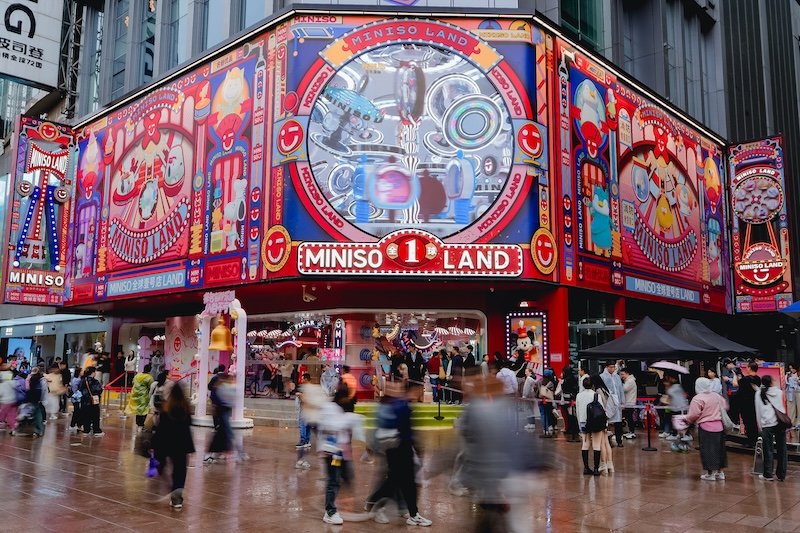
For this generation, stores are not just places to transact; they are destinations for discovery, social interaction, and content creation. The physicality of retail - being able to see, touch, and experience products - remains deeply important, but it is increasingly enhanced by digital layers that make those experiences more engaging and shareable.
Physical retail spaces are becoming community and culture hubs, hosting events, collaborations, and immersive activities beyond shopping. Digital signage is key, offering the flexibility and immediacy to keep environments fresh and responsive. Harry sees stores entering a creative, connected era: “As technology advances and expectations rise, in-store digital grows more vital for brand-audience connection.”
If current trends are anything to go by, the future of retail is not a choice between physical and digital, but a powerful fusion of both, with the store firmly at its centre.

Comments (0)
No comments yet.