AI dominates Shoptalk Europe conversations: the biggest retail technology stories from June
June is almost done and dusted, July will soon be up and running, so let’s kick back and reflect on another eventful month for the retail technology space. Here's your briefing on the most important stories from June, including Ocado Group, Asda, Tesco, Hanshow, M&S, Starship Technologies, Bringg, WHSmith, SOLUM, Bodycare, and PMC.
1. Ocado Group prepares for life after Tim Steiner, eyes Vonage boss Niklas Heuveldop as successor
British technology and online grocery retail specialist Ocado Group is looking to appoint a successor to Chief Executive Tim Steiner, Sky News reported on Sunday.
Niklas Heuveldop, Chief Executive at Vonage, a subsidiary of Sweden's Ericsson, is a front runner to take over from Steiner. The search for a new boss is being led by Adam Warby, who has chaired Ocado for the last 18 months. Ocado Group and Vonage did not respond to our request for comment.
Steiner was one of the founders of Ocado Group more than 25 years ago and was a key player during its London float in 2010.
2. Asda claims industry first as UK grocer inks deal to add Amazon Retail Ad Service to online stores
Asda has announced a partnership with Amazon Ads. This will see the UK grocery giant become the first retailer outside of the US to introduce Amazon Retail Ad Service to its online stores.
Rolling out in phases from Q4 this year, the partnership will use the solution to deliver more relevant ads based on real shopping behaviour and intent. In practical terms, customers who know what they’re looking for will find it faster, while those who don’t will be guided to relevant products in one place, with less effort.
Rachel Eyre, Asda’s Chief Customer and Digital Officer, says: “We serve millions of customers each week and this partnership is about using technology to improve the online shopping experience by helping them to quickly find what they need. At the same time, it creates a stronger retail media proposition, giving our current and future brand partners a more effective way to reach customers, using deeper insight to deliver impactful and measurable campaigns. This builds on the partnership with Ocado we announced recently and is another clear step forward in how we’re using technology to improve the Asda shopping experience.”
“Amazon’s Retail Ad Service gives UK advertisers the signals, measurement and scale they need, in a way that is seamless and familiar from day one. This partnership is a significant step in making Asda the most effective and frictionless place for brands to reach British shoppers.”
For advertisers, the partnership promises clearer insights and better measurement, alongside a simpler way to plan and execute campaigns through familiar Amazon Ads tools and consistent cross-platform reporting. It also enables brands to scale activity across Asda’s platforms and Amazon Ads inventory.
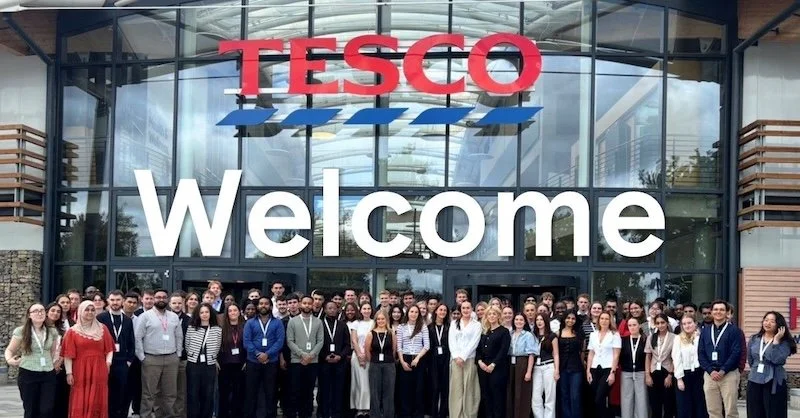
3. Tesco preps major Hanshow electronic shelf labels roll-out across store estate following 2025 pilot
Tesco is set to roll-out electronic shelf labels across its stores over the next two years. It is teaming with Chinese firm Hanshow on this.
This builds on a proof of concept in 2025 with VusionGroup and Hanshow to evaluate ESLs in select stores, with the aim of reducing labour costs and enhancing pricing accuracy.
The project will kick off in four stores - one Express and three supermarket locations - and will ultimately cover approximately 3,000 stores.
"The roll-out of digital shelf labels marks an important step in the modernisation of our stores, delivering benefits for both customers and colleagues," says Tesco UK Operations Managing Director Kevin Tindall.
4. John Hunt swaps Woolworths Group for M&S and Chief Digital and Technology Officer role
M&S reports that John Hunt will be joining the retailer as its new Chief Digital and Technology Officer this summer. He was previously at Woolworths Group, where he spent almost ten years, most recently serving as Chief Information Officer & Managing Director of Group Enablement.
Hunt says: “I’m really looking forward to joining M&S and bringing my passion for both retail and technology to what is an incredibly exciting transformation. M&S is a brand that is admired the world over and I can’t wait to get started.”
Hunt will take over leadership of the Digital, Data and Technology function from Sacha Berendji, who will stay with M&S and remain on the executive committee until April 2027.
Stuart Machin, Chief Executive at M&S, says: “Sacha is a loyal, hardworking, trusted colleague and one of the most company minded people I’ve had the pleasure to work with. All of us at M&S turn to him for advice, support and that extra bit of wisdom. He will remain a part of the M&S family forever. Everyone at M&S offers a heartfelt thank you to Sacha, and a warm welcome to John.”
Berendji comments: "M&S runs through my blood and has done for more than 32 years. It’s the best brand in the country and in my view the best retailer in the world. I think the leadership and the clarity of our strategy is stronger now than it has ever been and I’m very confident about the future of M&S. I remain focused on delivering our priorities as we still have so much to do! I will be cheering on Stuart and the team in the years ahead."
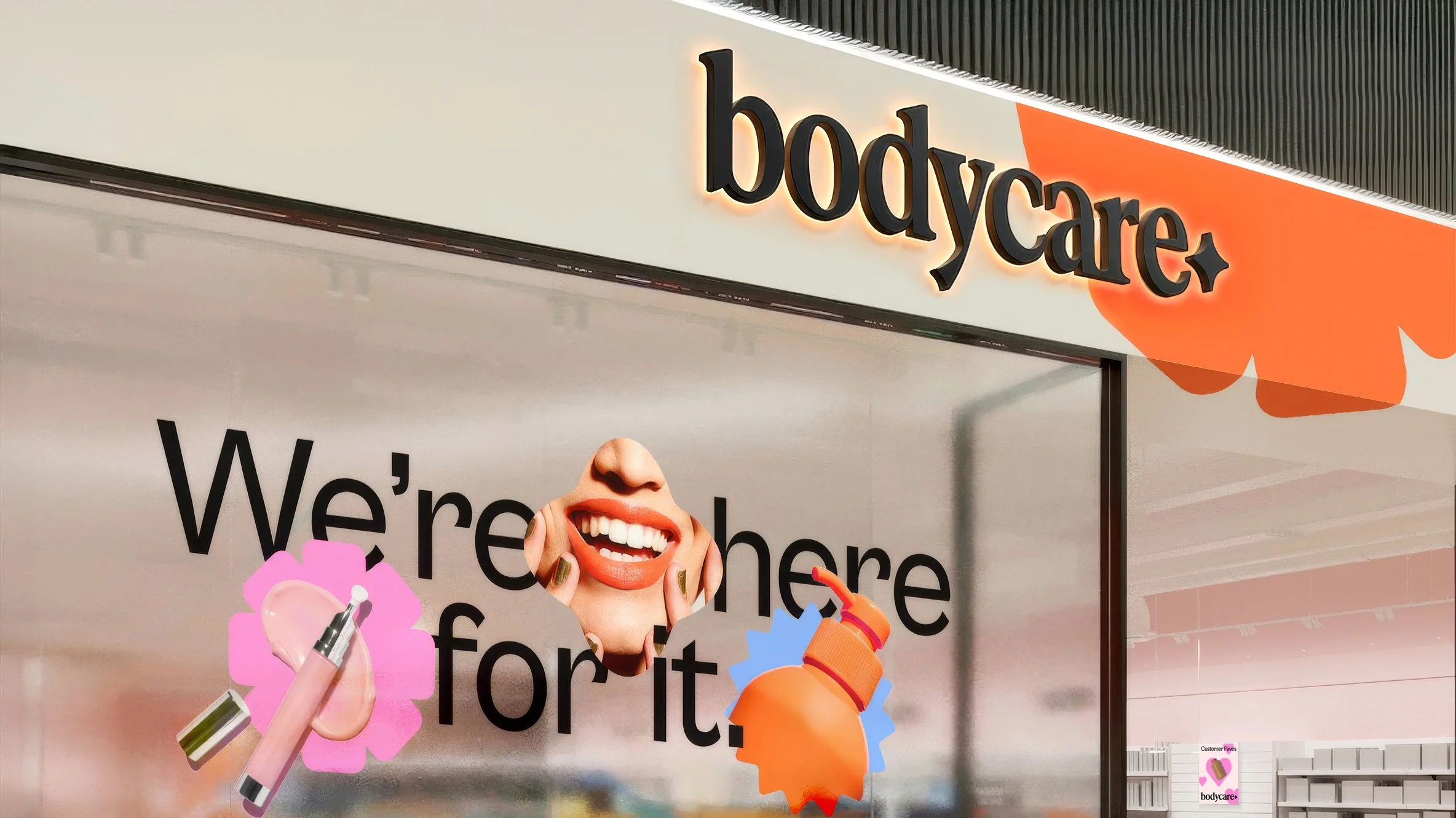
5. Health and beauty retailer Bodycare announces PMC tech tie up as it preps high street comeback
Bodycare has connected with PMC to design, orchestrate and deliver the digital infrastructure that will power its new store network as the health and beauty retailer prepares for its return to the UK high street.
Last year, it closed all its stores after collapsing into adminstration. Its brand and intellectual property were acquired out of administration in late 2025 by an investor group led by former The Body Shop and Molton Brown CEO Charles Denton, and it is now aiming to open 25 UK stores in 2026, growing to 200 locations over the next five years.
The plan is to run all store operations through a proprietary, custom built AI platform, which will see AI decisioning powering colleague actions, served via data harvested from the store, from task management, in-store network, CCTV and PoS systems to digital shelf technologies.
Bodycare also envisages making each new location a social content hub for local communities, generating localised content via staff, micro-influencers and customers. Each one will host a dedicated content production studio, generating social content each week, with content and UGC takeovers streaming live across digital screens.
“Store experience, digital presence and community engagement - all underpinned by AI intelligence - will be central to Bodycare’s new vision, as we prepare to welcome customers back,” says David Stern, Managing Director at Bodycare. “PMC is not just a transformation partner that we can trust with delivery - their trusted experience is helping us re-imagine, design and create the AI led strategy to bring our vision for Bodycare 2.0 to life.”
6. SOLUM to roll-out digital shelf-edge technology across WHSmith's flagship UK travel retail locations
WHSmith and SOLUM have announced a partnership involving the deployment of electronic shelf label (ESL) solutions across WHSmith’s UK travel estate, starting with high footfall locations including the retailer’s recently opened flagship stores at Heathrow Airport.
To support the roll-out, WHSmith has selected Newton PRO, SOLUM’s flagship ESL designed for demanding retail environments such as airports, railway stations and major transport hubs.
Heidi Reynolds, Retail Director at WHSmith, says: “Our focus is on making every journey better by bringing together all of the essentials travellers need in one place. As we continue to evolve our offer, the ESL solutions help us support a clearer and more intuitive customer experience while enabling colleagues to operate more efficiently in busy travel environments.”
Mark Duckworth, Country Manager UK & Ireland at SOLUM, says: “WHSmith’s new flagship stores reflect the continued evolution of travel retail, where convenience, speed and clarity are essential to the customer journey. We are proud to support WHSmith with ESL solutions designed for high-footfall environments, helping improve shelf-edge accuracy, operational efficiency and the in-store experience across key travel locations. This partnership is an important milestone for SOLUM as we continue to strengthen our presence in the UK travel retail market.”
7. George Hayworth joins last mile delivery firm Bringg following departure from Co-op earlier this year
George Hayworth has joined Bringg as Retail Director. This follows his departure from Co-op, where he held the role of Head of Quick Commerce Development, amid structural changes at the UK convenience retailer.
The move sees him reunited with Chris Conway, who joined Bringg from Co-op as Senior Vice President and General Manager, EMEA during April.
In a LinkedIn post, Hayworth said: “After an incredible journey of almost eight years at Co-op, where I had the privilege of helping build and scale our quick commerce proposition, I'm excited to begin a new chapter with a company at the forefront of delivery orchestration and last mile innovation.”
He added: “Throughout my career I've been passionate about creating customer centric solutions, building strategic partnerships, and driving growth in rapidly evolving markets. Bringg's vision, technology, and ambition make this a hugely exciting opportunity, and having seen first hand just how hard last mile delivery is to get right at scale, I'm looking forward to working alongside such a talented team to help customers optimise and transform their delivery operations.”
“A huge thank you to everyone who supported me throughout my time at Co-op. The people made it special. I'm excited for what lies ahead - if you're working in delivery, logistics, or retail tech, I'd love to connect.”
8. Starship Technologies pulls delivery robots from US campuses and focuses on grocery and food retailers
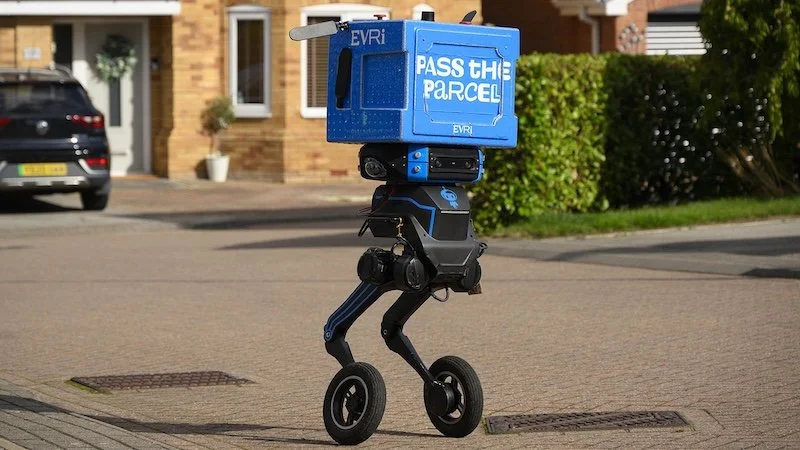
Autonomous delivery specialist Starship Technologies is shifting its focus to retail grocery chains and hot food delivery in cities across Europe and the United States as it winds down its US university campus operations. Over 1,200 robots from its US campus fleet will now be redeployed accordingly.
"We're seeing a lot of traction for delivery robots across numerous industries including industrial, universities, and corporate, but it's time for us to focus on the vertical we feel will have the most value, both for our clients and for Starship," says Ahti Heinla, CEO and Co-founder at Starship Technologies.
"We built something remarkable on US campuses, and we're proud of that work. When we started in 2018, operating in closed, controlled environments was the right foundation: it gave us the operational depth and real-world delivery data that no lab could provide. Now we can operate reliably at scale in open urban environments, which is exactly what grocery delivery demands."
"The unit economics are clear: our robots deliver groceries at a cost $3-4 lower per delivery than traditional courier fulfilment. That gap is the difference between last mile delivery being a margin problem and a competitive advantage. The opportunity in grocery is generational, and we owe it to our teams and our partners to focus where the impact is greatest."
9. Asda inks deal to use Ocado Group technology in move to overhaul its online groceries business
Ocado Group and Asda have announced a partnership to develop the former’s online business across the UK with the Ocado Smart Platform. The focus of the tie up will be to quickly replace and upgrade Asda’s existing e-commerce infrastructure, with Ocado’s solutions to be rolled out across both stores and dark stores from 2027.
The pair plan to deploy Ocado’s end-to-end solutions across Asda e-commerce operations. These include Ocado’s front-end (webshop), In-Store Fulfilment, and software to support last mile planning and route efficiency. Go live is set for early 2027. Using Ocado’s Smart Platform, Asda says it will be able to offer a full range of online services, including scheduled and short lead-time orders, as well as Click & Collect. It will also use the platform to fulfil and deliver orders placed through aggregator platforms such as Uber Eats, Deliveroo, and Just Eat.
Tim Steiner, CEO at Ocado Group, says: “We’re delighted that Asda has chosen Ocado to support the next phase of their online growth. The UK remains one of the world’s most competitive and fast-evolving online grocery markets, where technology, scale and continuous innovation are increasingly important for retailers looking to maintain leadership positions. “Through this partnership, Asda will be able to deploy a technology platform already processing more than 70 million orders annually worldwide, supporting market leading customer propositions across 11 countries. Asda will also benefit from Ocado’s significantly evolved platform, giving them the flexibility to adapt as the market continues to develop.”
Allan Leighton, Executive Chairman, Asda, says: “We are the cheapest full range supermarket, as consistently shown by independent price comparisons from Which? and The Grocer, and have a large, well established online offer. We know that continued success in this highly competitive market is dependent on providing a positive experience for customers every time they shop. Partnering with Ocado will strengthen our online offer and provide a consistent and high quality experience for millions of shoppers, from order through to delivery, while supporting our formula for growth.”
Asda will be hoping that the move helps it tackle recent sales weakness under its private equity owners, TDR Capital and Mohsin Issa, and fight back against its rivals, including a buoyant Lidl GB. Its UK grocery market share has dropped from 14.3% before their 2021 takeover to 11.5%, according to Kantar data, leaving it just above Aldi on 10.8%.
It’s also a much need boost for Ocado Group, which has been ending mutual exclusivity contracts in most of the markets where its automation grocery tech is live, including in the US with Kroger.
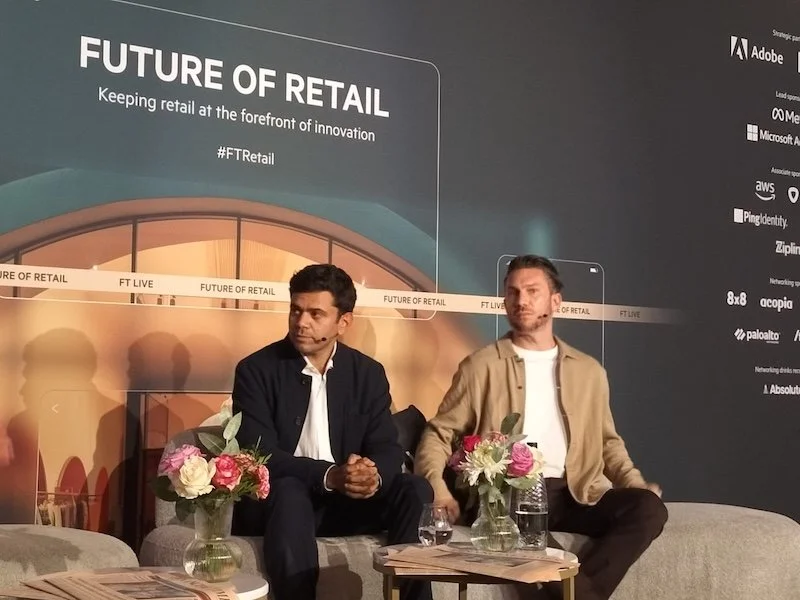
10. Focus on AI execution gap and discovery experience as Shoptalk Europe 2026 wraps in Barcelona
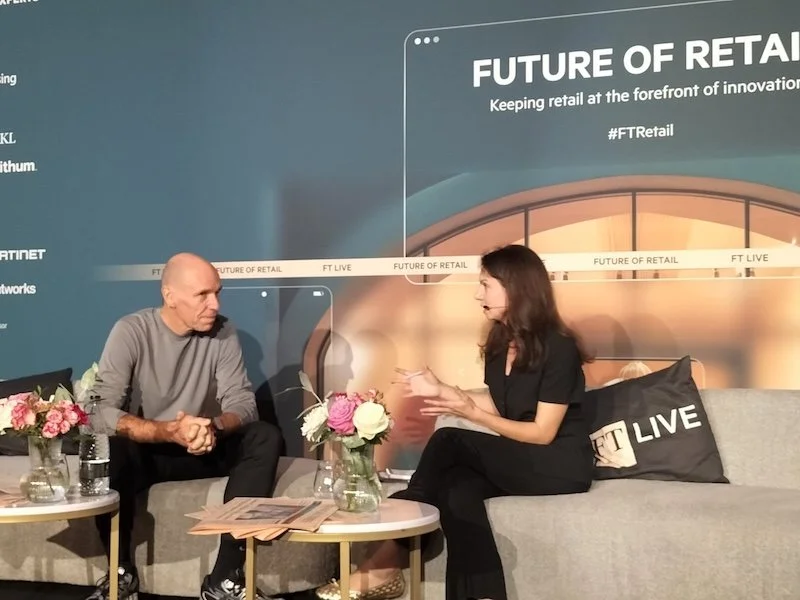
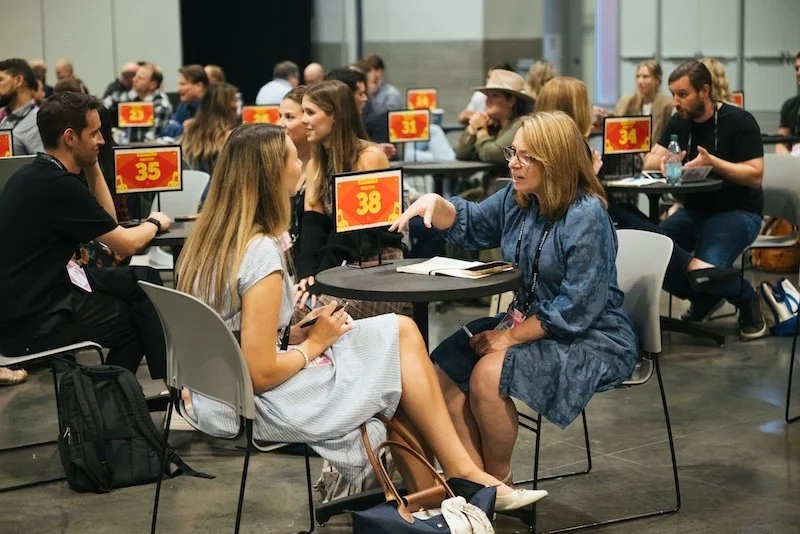
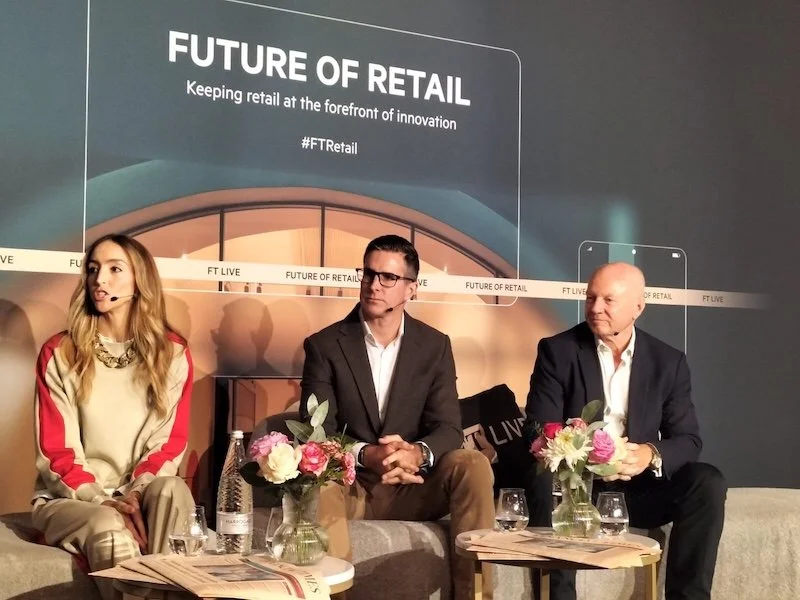
Shoptalk Europe 2026 concluded a three-day run in Barcelona this month. The event brought together more than 4,500 senior retail and technology leaders, brands, service providers, investors and startups, and over 25,000 co-matched business meetings were conducted through Shoptalk’s Meetup programme.
With the rise of artificial intelligence, shifting consumer priorities and the macro forces reshaping European commerce all on the agenda, Shoptalk Europe 2026 sent a clear message: the industry is in a period of fundamental transformation, and the brands that will win are focused on executing with technological and cultural precision, while embracing flexibility, enhanced personalisation and the agility required to operate and trial new innovations in the unknown.
Three themes emerged as the defining threads of the conversation: the growing gap between AI adoption and measurable business impact; the structural pressures, including a deepening consumer trust deficit, bearing down on European retailers; and the rise of discovery led commerce in lieu of search first.
Adam Plom, VP of Content at Shoptalk Europe, says: "Agentic commerce has become the defining phrase of Shoptalk Europe, used to describe everything from assisted to fully delegated shopping experiences. What's equally clear is that the European retail community expects technology to deliver real business impact while keeping people firmly at the centre - and while fully delegated shopping is still around the corner, the roleof the human, from colleague empowerment to genuine consumer engagement, is where the industry is planting its flag."
AI in retail dominated conversations, with particular focus on the gap between adoption and execution or impact. Leading a talk on how the retailer is navigating Europe’s macro shifts, David Schröder, Co-CEO, Zalando said the company’s AI assistant grew from six million users in 2025, to 10 million users in Q1 2026 alone, with 90% of site content now AI generated, up from near-zero a year ago.