From your phone to your front door: shopping fashion giant Zara’s AI powered fitting room
Zara's virtual sizing tool is surprisingly accurate, but does the app experience live up to its in-store counterpart?
Let’s be honest, many of us love a bit of Zara. But the sizing? Chaos. One day you're an XS, the next you're clutching an L and wondering if the mirror’s lying.
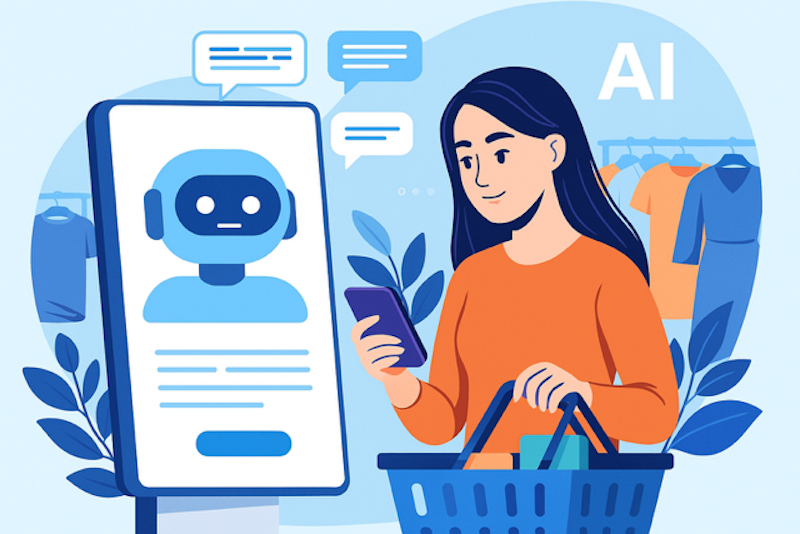
That inconsistency has always made online Zara shopping feel like a gamble. However, Zara has recently launched a new AI powered sizing and fit feature that promises to take some of that guesswork away. You input your measurements, upload a couple of photos, and the app generates a digital version of you that can recommend sizes and show how items will fit.
So, like the good secret shopper I am, I decided to brave the Zara app and give their much hyped AI sizing feature a proper test.
Getting started with Zara’s AI sizing experience
To begin, I logged into my Zara account and uploaded two photos, one full length image and one selfie. The instructions recommend wearing fitted clothing, so I opted for leggings and a close fitting T-shirt to give the system a clear idea of my shape. The selfie I took with makeup on, purely because if Zara was going to generate a digital version of me, I wanted it to meet me on a good day.
The process itself was straightforward and didn’t take long. Within ten minutes, Zara had created a body model that was, broadly speaking, fairly accurate. Proportion wise, it wasn’t wildly off. That said, the version of me on screen definitely looked more toned than real life, with a flatter stomach and slightly longer limbs. I wouldn’t complain if that were reality, but it is worth noting.
My face, however, was another matter entirely. The result landed firmly in uncanny valley territory. recognisable, but also slightly unsettling. Think horror film version of me rather than polished fashion avatar. Still, it was close enough to give a reasonable impression of how clothing might sit on my body.
Here’s something I didn’t expect: discussing the AI avatar with a friend revealed she had the opposite problem to me. While I looked like a terrifying version of myself, she thought hers looked too good, smoother skin, fewer wrinkles. “I don’t actually look like that,” she said, half pleased, half disturbed.
We both found the digital version of ourselves a bit off. But despite the weirdness, the sizing tool itself is clearly working. It got more right than wrong, and that’s impressive.

Testing it with real purchases
With my new avatar staring back at me, I started shopping.Like many people right now, I’m deep in my co-ord era, and Zara has some excellent ones in stock. I selected a matching set I’d already seen in-store but hadn’t tried on properly. The app immediately recommended a medium for this particular style and showed me how it would fit.
Usually I usually go for a small, sometimes even an extra small in life. Medium seemed massive for a slouchy co-ord, so I ignored the advice and ordered a small. Big mistake.
The small just about fit, but the top half was tight. Let’s just say it wasn’t chest friendly. Turns out, the app was right, I needed a medium. I’ll be heading in-store to exchange it.
Interestingly, the app recommended a small for a second co-ord I ordered, and that one fit perfectly. It also suggested an extra small for a jacket I liked, which again turned out to be spot on. So while my pride took a small hit with the medium recommendation, the technology itself proved impressively accurate.
Then there were the jeans.
I ordered a pair of flared, high waisted brown jeans that I’ve been hunting for in-store for weeks. They finally appeared online, and I snapped them up. When I tried them on virtually using the app, Zara recommended a size four.
I need to pause here.
I have never been a size four in jeans. I have always been a size eight, occasionally a size ten, depending on the cut and fabric. A size four would not make it past my thighs.
Based on that, I ignored the recommendation and ordered my usual size eight. Those jeans haven’t arrived yet due to a stock delay, despite being part of a same-day delivery order, so I’ll update this review once they do. Given what happened with the co-ord, though, I am now questioning my decision slightly.
The Zara app experience overall
The Zara app itself looks fantastic. It’s sleek, editorial, and aspirational in that very specific Zara way. Every scroll feels like it’s trying to sell you a lifestyle rather than just clothes. Sun drenched villas, flowing dresses, minimalist interiors, and women who look like they casually spend summers in Saint-Tropez.
I do not own a yacht, but Zara would like me to believe I should.
But there are quirks. The biggest is navigation. Most apps let you swipe left or right to scroll through images. On Zara, you swipe down. Every time I use it, my muscle memory sends me the wrong way and I end up loading an entirely different product. It’s clunky and frustrating.
Delivery options are strong, and I appreciated being given the choice to receive items in recycled packaging. In truth, the box looked no different to a standard one, which only reinforces my view that Zara should simply switch everything to recycled packaging by default.
Zara uses Relay for deliveries, and I have to say, they’re excellent. Once your parcel is on the way, you get live tracking, updates on how many stops away they are, and accurate delivery windows. They don’t abandon your parcel on the doorstep either. It’s a far cry from the hit and miss service of some other providers (looking at you, Evri.)
Final thoughts
The AI sizing feature is not perfect, but it is genuinely useful. The body model may flatter you slightly, or in my case haunt your dreams a little, but the sizing recommendations are far more accurate than I expected. In situations where I ignored them, the app was right.
It won’t replace trying things in-store entirely, especially for brands with inconsistent sizing, but it does make Zara’s online shopping experience far less of a gamble. For busy shoppers, or anyone who wants to avoid fitting rooms, that’s a big win.
I’ll absolutely use it again, just next time I’ll listen to it.
Overall rating: 4.5 out of 5
RTIH AI in Retail Awards
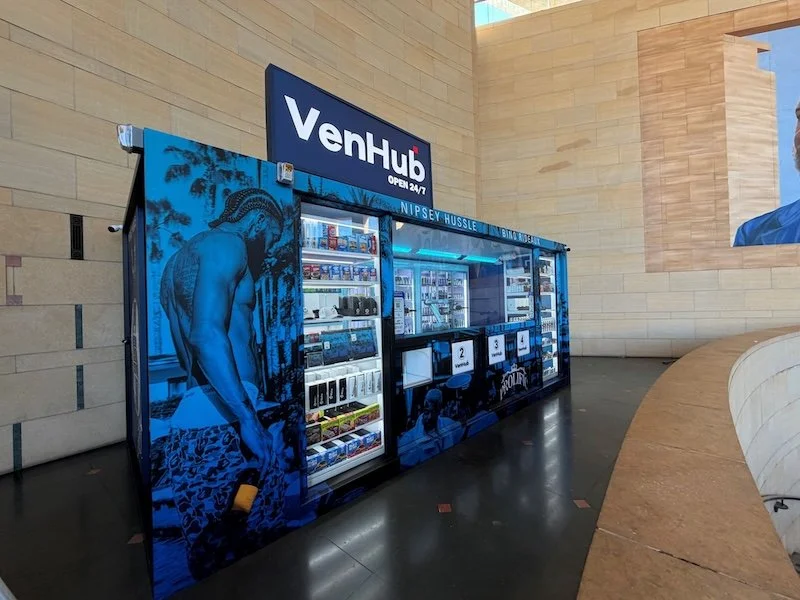
Brarista, IBM Consulting, Foundit!, Quorso, Vusion, Sensei, Reckon.ai, EE, Walkbase, Globant, Riskified, and Goddiva were among the winners at the RTIH AI in Retail Awards, sponsored by VenHub Global, 3D Cloud, EdTech Innovation Hub, and Retail Technology Show.
Our 2026 hall of fame entrants were revealed during a sold out event which took place at The Barbican in Central London on Thursday, 29th January, and consisted of a drinks reception, three course meal, and awards ceremony presided over by award winning comedian, actress and writer Lucy Porter.
In his welcome speech, Scott Thompson, Founder and Editor, RTIH, said: “According to Amazon’s Andy Jassy: AI is a once in a lifetime reinvention of everything we know, and the largest technology transformation since the cloud.”
“Whether that’s overstating it or not, we're certainly seeing an increasing number of innovative, potentially game changing developments in this space across both traditional and digital retail spaces. And that is reflected in tonight's finalists, who are boosting customer experiences and tackling retailers' painpoints across the likes of physical stores, online, omnichannel, supply chain, and payments.”
“To quote one of our judges: I have to admit, judging these awards was so difficult. So many that would have been worthy winners. And great to see how AI has moved firmly into delivery mode. Firmly into delivering for customers and driving huge innovation.”
Congratulations to our 2026 winners, and a big thank you to our sponsors, judging panel, the legend that is Lucy Porter, and all those who attended our Thursday, 29th January gathering.
Stay tuned for an indepth review of the awards ceremony in the next edition of RTIH magazine.