Broadsign’s Sabrina Allard: what retail media trends at Cannes Lions signal for the future of in-store
By Sabrina Allard, Director of Product Marketing, Broadsign
As the rosé flowed beachside at the Cannes Lions Festival of Creativity last month, conversation around retail media swirled, from la Croisette to the Vieux Port. Its presence was palpable, between Walmart Connect’s “Le Marche” activation, the Ipsos and Mars creative click fatigue session, and the debut of Albertsons Media Collective and P&G’s first microdrama. Instacart took home its first ever Cannes Lions for its “Bananas” campaign, and this year’s festival featured expanded retail media award categories.
While everyone may have arrived with their own retail media agendas, one core takeaway was: the channel has won its place when it comes to advertiser budget allocation, but its continued growth - shaped by AI and creator influence - will stall without solving fragmentation and more attention to creative in-store and beyond.
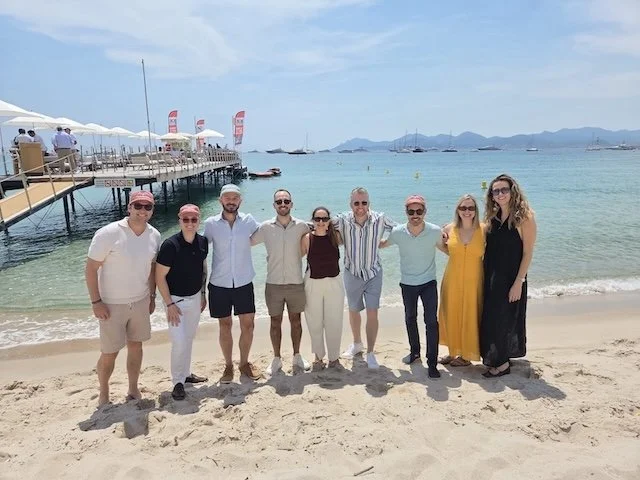
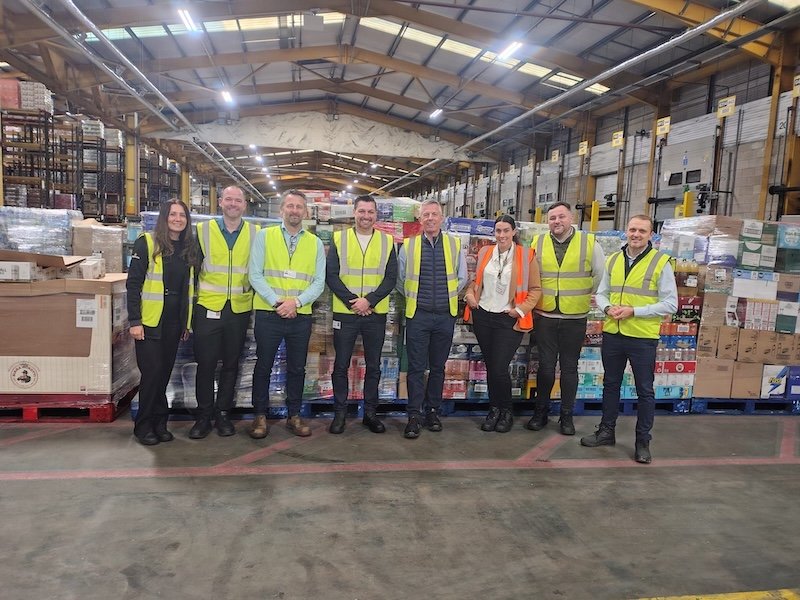
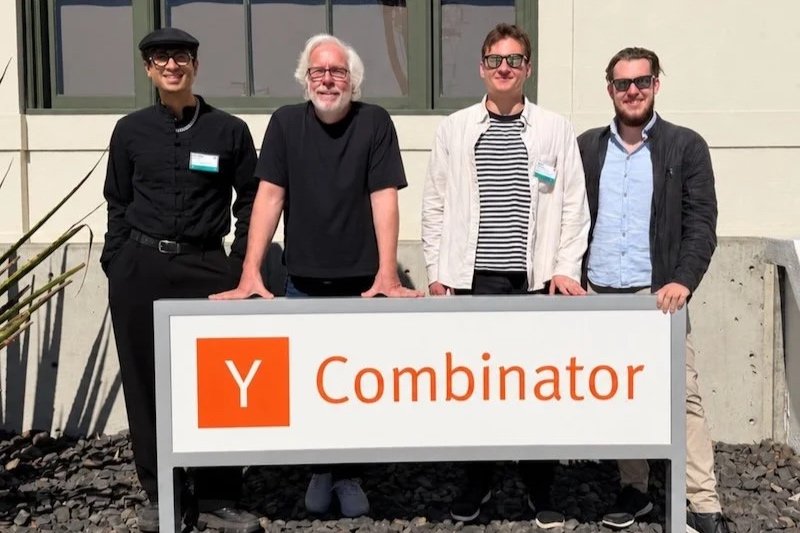
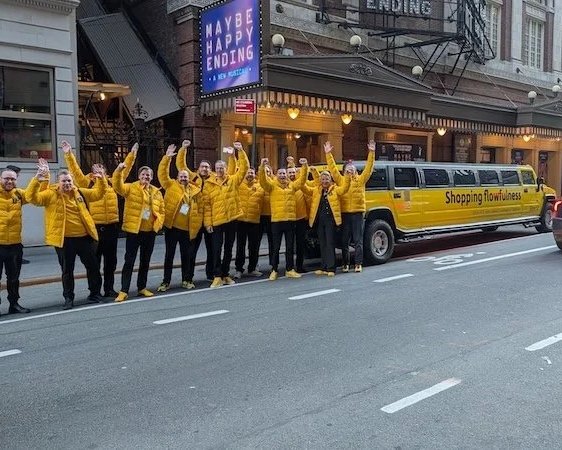
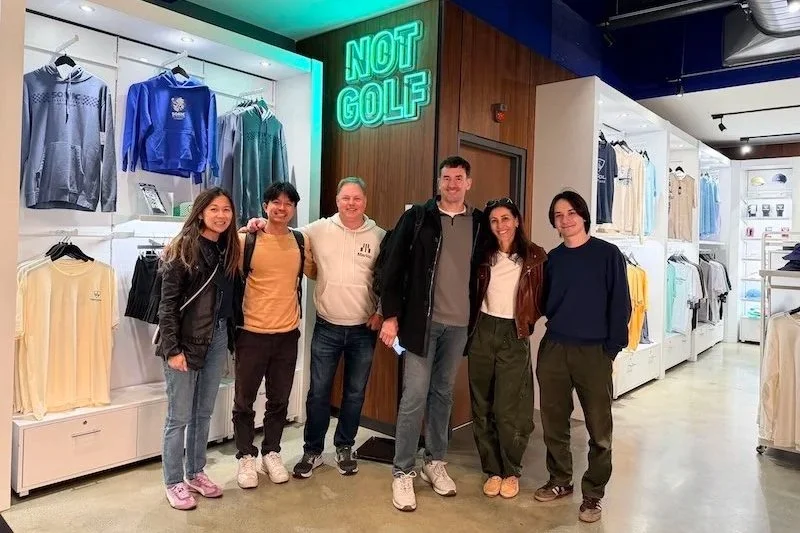
The Broadsign and Mirakl teams at the Cannes Lions Festival of Creativity.
AI is evolving fast
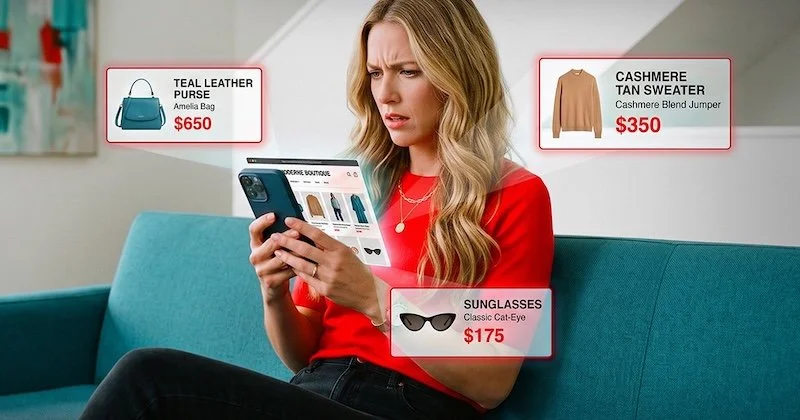
The perception of AI and agentic AI shifted from emerging technology to technology that can be implemented day-to-day in retail media operations. The conversation centered on its role in influencing shopper behaviour in e-commerce, such as shortening the shopper journey by providing in-app recommendations, rather than the creative. While merchandising, automation, campaign optimisation, and personalisation were the primary drivers of the conversation, in-store activation is increasingly working its way into the discussion.
The creator economy is edging its way into stores
Influencers were out in full force this year and very much a part of the retail media discussion. It was evident that the industry is no longer looking at the creator economy, commerce, retail media, and influencer marketing in silos, but as a connected ecosystem in which creators are part of the shopper journey. While ‘in-store’ wasn’t a huge part of the conversation, the potential is there, whether it’s curated endcap collections or pop-up influencer led events, QR codes, on in-store signage that link back to a creator’s review.
Collaboration is key to solving fragmentation
On- and off-site retail media strategies are maturing quickly, but it was readily apparent that in-store retail media remains uncharted territory for many retailers. With many still at the very beginning of their journeys, whether just starting to deploy or scale screen networks, test formats, or run pilots. The very nature of in-store retail media architecture is complex. From the hardware and the CMS to the ad server, programmatic connectivity, and measurement, there are many, quite alien, areas to consider.
The fragmentation can make it a minefield to piece together, which is where a partner who understands the full ecosystem and both the buyer and seller priorities can be a real advantage. It’s also why ad tech’s growing footprint at Cannes provides value by helping retailers make connections with providers like Broadsign.
In response to the growing need to address the increasing fragmentation that exists within the in-store space, there is further demand to connect activity in-store with the wider retail media ecosystem - specifically a retailer’s on- and off- site proposition - all under one unified, central point of access. The need to bring more order to retailers just trying to find their way is strong.
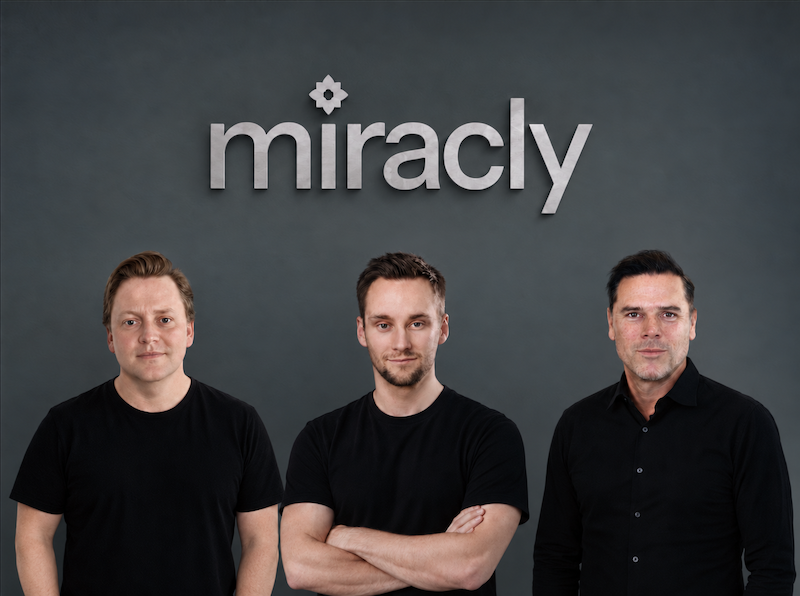
Thankfully, this year, we saw some real positive movement on this front, with Broadsign and Mirakl Ads announcing a partnership to help retailers unify digital on-site, off-site, and in-store retail media processes for their buyers. On a similar note, SMG announced RMX, an exchange that will streamline retail media buys for agencies and brands by bringing retail media inventory from multiple networks into a single open platform.
In recent years, we have witnessed the increasing, and at times awkward, scramble of ad tech vendors from all corners of the tech stack, vying for a chance to get on retailers’ radars. But at the festival this year, there was a change in tack - a realisation that success can’t be pursued in silos, and the idea that collaboration is beginning to prevail. Solving fragmentation will require retailers, buyers, ad tech providers, and retail tech providers to unify workflows; it’s a crucial first step before even addressing challenges ahead, like measurement.
The time has come to dial in retail media creative
A session led by Ipsos and Mars echoed sentiments in a report outlining why the industry hasn’t yet unlocked the full power of retail media. In many cases, a hyper-focus on short-term attribution has compromised creative quality, hampering the channel’s inherent brand building capabilities.
Leveraging a popular candy brand as an example of successful creative, the panellists pointed to the distinct personalities established for each candy’s colour and how they took off as a brand in their own right. Then, they showed what that creative might look like in-store, and while colourful, it lacked animation. Today, most in-store creative is still static content that plays in a loop or uses the same font size as ads developed for other channels, which isn’t effective.
One of the throughlines was that creative needs to be adapted for each channel, and particularly in-store. At the same time, Albertsons Collective and P&G embodied this call for change, with their release of a new microdrama that will play out on Albertsons’ YouTube, social, and in-store media channels.
Preparing for the future of in-store
The rapid evolution of retail media presents tremendous monetisation and brand building opportunities for retailers and advertisers alike, a central talking point at Cannes Lions in 2026. But moving beyond the hype to truly unlock those advantages will require a new wave of innovation that can’t happen in isolation.
Advancement means confronting fragmentation head-on and embracing collaborative partnerships that not only unify the in-store tech stack but also the full RMN stack. It will also require a creative strategy that focuses on long-term brand storytelling rather than driving clicks and purchases. While AI and the creator economy are rewriting the rules and may have been the talk of Cannes, their impact can only be realised in-store through solving the immediate challenges first.
The retailers, brands, and tech partners who break down silos and reimagine how in-store media can engage, inspire, and ultimately drive growth will be the ones to capitalise on a market projected to reach more than $30 billion by 2033.