Many online shoppers using AI assistants but some have walked away and gone elsewhere
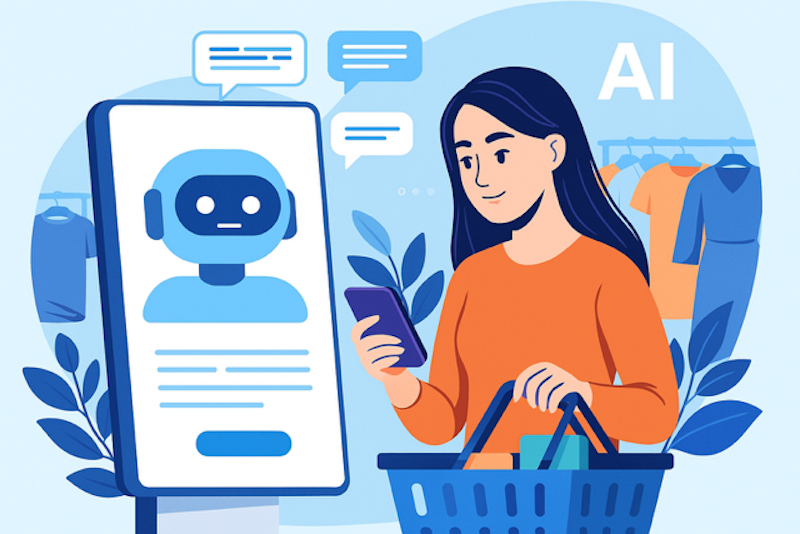
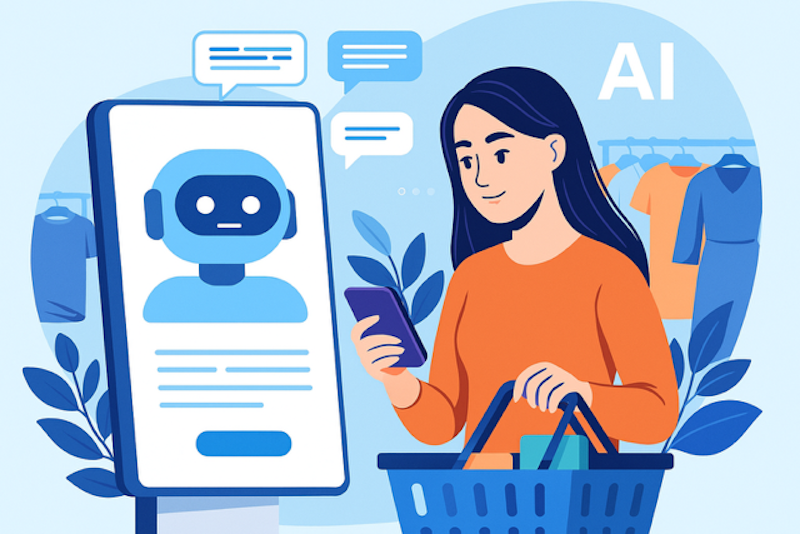
66% of UK and US consumers have already tried, or would be open to trying shopping online with an AI assistant such as ChatGPT or a retailer’s own AI shopping tool. But 69% who received irrelevant product suggestions have given up on an AI assistant and searched elsewhere.
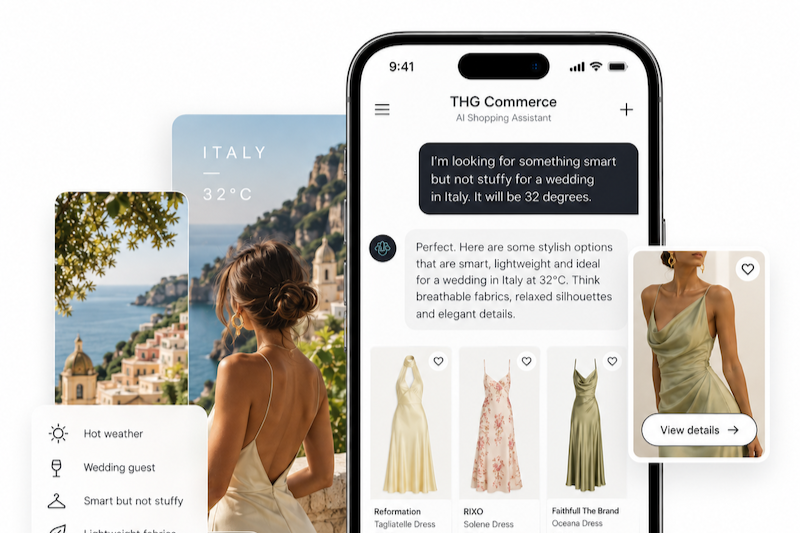
The findings come from a survey of 2,000 consumers commissioned by Nosto. 72% expect AI shopping assistants to help them shop online. This includes helping surface deals and gift ideas, as well as offering fashion advice, such as suggesting complete the look bundles or answering questions about which items go well together.
Among consumers who expect AI shopping assistants to help, they want:
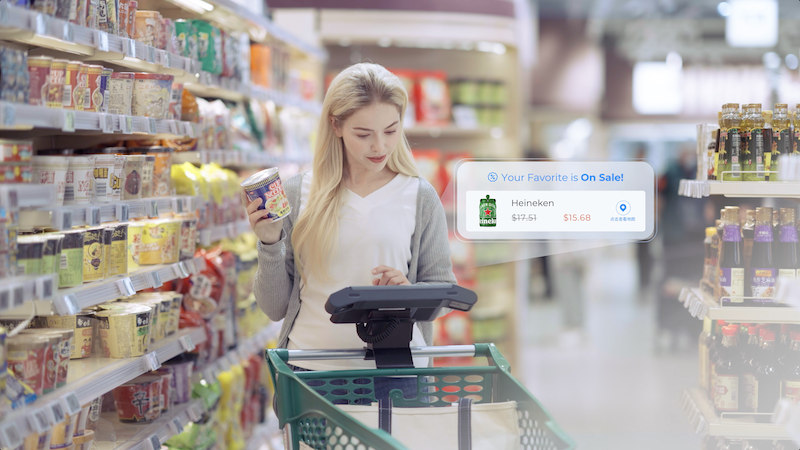
● Deal and price-drop alerts (59%)
● Personalised recommendations (51%)
● Gift inspiration (44%)
● Real-time Q&A (“What goes with this?”) (41%)
● Bundles that save money or complete a look (40%)
Platforms like ChatGPT and Google have been among the first to introduce agentic AI shopping features. But 48% of shoppers in Nosto’s survey said they would be open to using an AI shopping assistant from their favourite retailer if it was introduced this year, rising to 62% among 25-34 year olds.
However, retailers must provide shoppers with full transparency into how AI uses their data and put shoppers firmly in control of their purchasing decisions. The top reasons consumers are most likely to stop using AI for shopping are concerns about how their data is being handled (24%) and feeling that AI is making decisions without their input (21%).
Jim Löfgren, CEO at Nosto, says: “The high level of AI acceptance sets the stage for rapid adoption for the right use cases, and for retailers it's all about execution now. That means delivering guardrailing and training the agent to ensure relevance from the first interaction, and ensuring that the data is protected and used responsibly. The brands that get this right will win.”
34% of consumers have already tried shopping with a conversational AI shopping assistant, rising to 59% of 25-34 year olds. Younger consumers are consistently more positive towards all aspects of using AI assistants for shopping, the data suggests. And once someone has experience of using AI for shopping, it really makes a difference: 77% of early adopters said they would trust a brand more if it had an AI shopping assistant.
When asked how they’d prefer to access an AI assistant to discover products on a retail website, 46% of early adopters said they’d prefer to do it through a website’s search bar. 41% would prefer a dedicated on-site chatbot. This suggests that AI assistant interactions should not be limited to being offered via dedicated chatbots, even though that might currently seem the most obvious option. For product discovery, consumers prefer to have AI integrated into the search bar.
But a poor discovery experience can damage conversions. After receiving irrelevant product suggestions, 69% of early adopters who received irrelevant suggestions gave up and searched elsewhere. Only 28% tried rephrasing their search query and kept interacting until the assistant found something relevant.
“This makes personalisation more important than ever,” says Löfgren. “As LLM-powered AI assistants become a new interface for shopping, their value will increasingly depend on how well they are trained on rich, intent-driven and contextual commerce data, rather than on natural language capabilities alone. This is what enables them to deliver truly personalised responses and product recommendations that turn conversations into conversions.”
33% of these early adopters believe AI can have the greatest impact by improving decision-making (e.g., comparing or choosing products). A quarter believe that the biggest improvement will be in product discovery (finding the right items). Slightly fewer (20%) think improving checkout speed and ease or the post-purchase service experience are areas where AI can provide the biggest impact.
Where early adopters think AI can improve the shopping journey the most:
● Decision making (Comparing or choosing products) 33%
● Product discovery (finding the right items) 25%
● Checkout (Speed/ease of payment) 20%
● Post purchase service (returns, recommendations, support) 17%
Once shoppers gain confidence in AI, they are also more open to using it for complex shopping tasks. Among early adopters, 81% would be open to using AI for building full shopping carts for specific occasions and 88% would find it helpful if AI recommended product bundles or complementary items.
“Consumers already believe AI can meaningfully improve how they discover and choose between products, and the experience of early users points to where expectations about AI assistants are likely headed,” says Löfgren.
”For example, once someone has used an AI assistant, their trust quickly builds, and they’re more willing to let AI handle more complex shopping tasks, from building full baskets for specific occasions to recommending complete product bundles.”
The research suggests that there’s a readiness gap between consumers’ openness and desire to embrace AI for online shopping and retailers’ investment in delivering it. While consumer demand for AI powered shopping is already high and clearly articulated, Nosto’s separate poll of 39 e-commerce retailers suggests retailer investment in this area is happening, but remains limited.
While AI investment exists, it remains constrained in scale and scope for most retailers. For example, 36% of retailers in the survey currently allocate additional, dedicated budget to AI agent tools, but among those investing, three quarters say their current investment is limited.
“The readiness gap between consumer demand and retailer investment in AI is not massive, but it’s real. While shoppers stand ready to embrace AI, many retailers have been slow to respond. Those who move first and focus on transparency, relevance, and ensuring shoppers feel in control of their buying decisions, are likely to gain a clear competitive advantage,” says Löfgren.
RTIH AI in Retail Awards
Brarista, IBM Consulting, Foundit!, Quorso, Vusion, Sensei, Reckon.ai, EE, Walkbase, Globant, Riskified, and Goddiva were among the winners at the RTIH AI in Retail Awards, sponsored by VenHub Global, 3D Cloud, EdTech Innovation Hub, and Retail Technology Show.
Our 2026 hall of fame entrants were revealed during a sold out event which took place at The Barbican in Central London on Thursday, 29th January, and consisted of a drinks reception, three course meal, and awards ceremony presided over by award winning comedian, actress and writer Lucy Porter.
In his welcome speech, Scott Thompson, Founder and Editor, RTIH, said: “According to Amazon’s Andy Jassy: AI is a once in a lifetime reinvention of everything we know, and the largest technology transformation since the cloud.”
“Whether that’s overstating it or not, we're certainly seeing an increasing number of innovative, potentially game changing developments in this space across both traditional and digital retail spaces. And that is reflected in tonight's finalists, who are boosting customer experiences and tackling retailers' painpoints across the likes of physical stores, online, omnichannel, supply chain, and payments.”
“To quote one of our judges: I have to admit, judging these awards was so difficult. So many that would have been worthy winners. And great to see how AI has moved firmly into delivery mode. Firmly into delivering for customers and driving huge innovation.”
Congratulations to our 2026 winners, and a big thank you to our sponsors, judging panel, the legend that is Lucy Porter, and all those who attended our Thursday, 29th January gathering.
Stay tuned for an indepth review of the awards ceremony in the next edition of RTIH magazine.