Retail visual marketing made simple
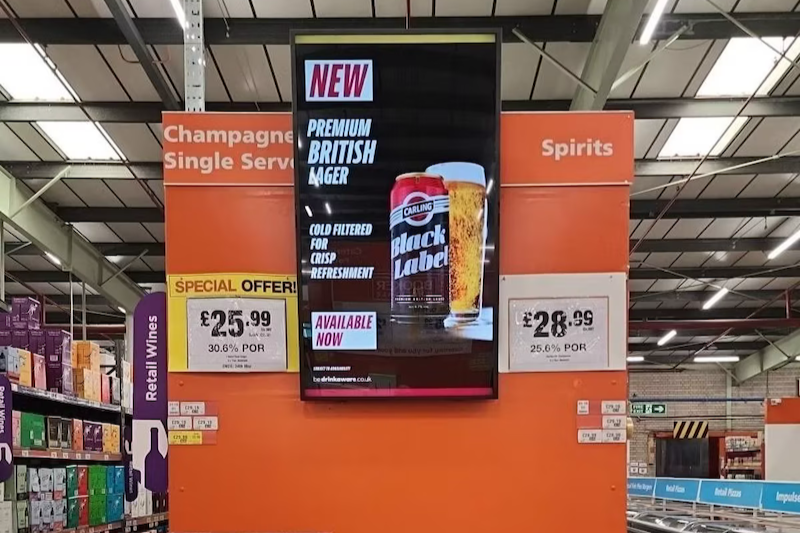
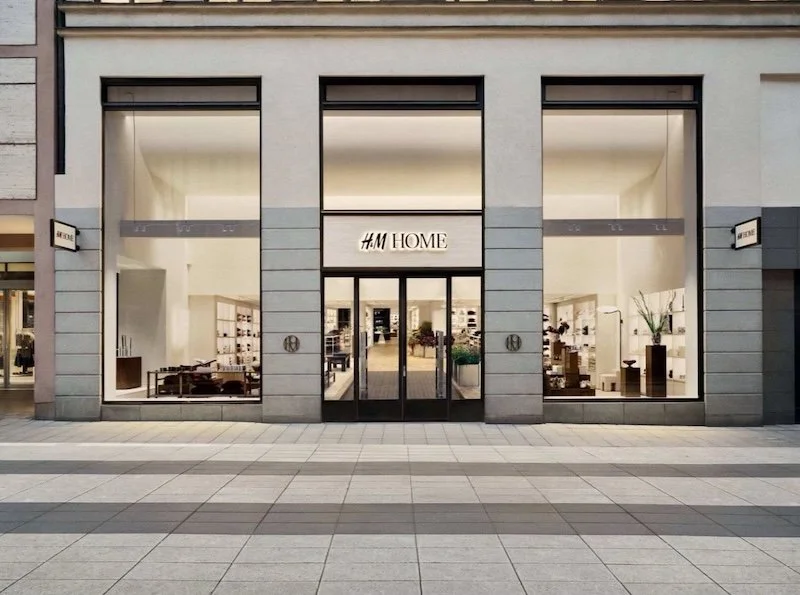
Visual merchandising remains one of the most effective tools in a retailer's toolkit. From well designed window displays to strategic in-store banners, visual elements create immediate connections with customers and influence purchasing decisions. Yet many retailers struggle to create consistent, professional looking visual marketing materials without dedicated design resources.
The retail environment has changed dramatically in recent years, with digital signage and online presence becoming just as important as traditional in-store displays. Creating cohesive visual marketing across these channels often requires specialised skills that many retail teams simply don't have time to develop.
This gap between visual marketing needs and available resources presents a major challenge for retailers of all sizes.
The Impact of Visual Elements in Modern Retail
Shoppers today make quick judgements based on what they see. Visuals in retail environments capture attention and can influence decisions more quickly than written information. When customers encounter clear visual marketing, they may respond more rapidly than when confronted with text-heavy displays.
Using a quality banner maker can help retailers create professional-looking displays without needing advanced design skills. These platforms provide template galleries combined with brand kit features such as custom colour palettes, approved logo versions, and fixed font selections.
When designing banners, retail teams select templates that fit their campaign objectives. They apply preset brand assets which remain locked across all templates and update only the campaign-specific text or imagery.
This eliminates inconsistent brand colours or incorrect font use on different materials. Each template pulls from the same set of brand guidelines. For retailers rolling out promotions across multiple channels, this ensures consistent visual branding everywhere.
This workflow prevents common mistakes like mismatched colours or off-brand typefaces. Retailers often incorporate design platforms into their process to streamline banner creation for both print and digital channels.
Several global brands implement seamless branding across physical and online channels. Retailers can achieve similar results using template driven platforms like Adobe Express. These tools help maintain brand consistency across all campaigns.

Essential Components of Effective Retail Banners
Creating banners that drive sales requires learning key design principles. Contrast helps important elements stand out, hierarchy guides the viewer's eye, and white space prevents visual overload. These principles apply whether designing for window displays, in-store promotions, or online campaigns.
Typography choices greatly affect how customers perceive your message. Sans-serif fonts like Arial or Helvetica offer clean readability for promotional messages, while script fonts might suit luxury brands. It's recommended to use no more than two font families per banner and ensure text is readable from appropriate distances.
Colour psychology plays an important role in retail environments. Red can create urgency and excitement, blue may help build trust, and yellow often captures attention. When using a banner creator, select colours that reflect your brand identity and align with the intended emotional response.
Keeping visual similarity across all marketing materials helps build brand recognition. This involves consistent use of a single colour palette, matching fonts, and unified visual styling for all banners. This approach allows a retailer's materials to be more easily recognisable, whether viewed in-store or online.
Size and Placement Considerations
Banner dimensions should match their intended location and viewing distance. In-store promotional banners are often sized between 2x4 feet and 3x6 feet, while window displays might be larger. Digital banners have their own common sizes, with website headers typically measuring around 1200x300 pixels.
When deciding where to place banners, consider customer flow through your store. High-traffic areas like entrances and checkouts offer maximum visibility. Department-specific banners work best at section entrances.
The viewing distance also matters. Larger text and simpler designs tend to work better for banners viewed from afar. Creating designs that adjust to multiple formats saves time and helps maintain consistency.
Many retailers create a master design that can be resized for different applications. Design software and services, including the use of a banner maker, support this process with pre-sized templates for various retail environments.
Streamlining the Banner Creation Process
For busy retail teams, efficiency in visual marketing is important. Creating templates for common promotional events provides a foundation that can be quickly customised for each campaign.
When producing banner designs efficiently, use a set of master templates that include your brand colours, fonts, and key design elements. Then simply update text and images for each new promotion. This process keeps brand consistency while saving time.
Several tools make the design process easier for non-designers. Modern banner creators offer intuitive interfaces with drag-and-drop functionality and pre-sized templates. These features allow retail staff to create professional-looking banners without graphic design experience.
Measuring Visual Marketing Success
To ensure your visual marketing delivers results, set clear metrics for achievement. Key performance indicators might include foot traffic near displays, time spent in display areas, or conversion rates for promoted products.
A/B testing plays a key role in refining banner performance. Retailers can compare different banner versions across similar locations, observing which option delivers stronger engagement or sales.
Adjustments might focus on altering colours to sharpen contrast, revising messaging for clarity, or selecting alternative images. Each change helps isolate which factors encourage improved customer response.
Gathering customer feedback provides helpful data about banner success. Simple methods include observing customer behaviour around displays or brief intercept surveys. Digital banners offer additional metrics like click-through rates and conversion tracking.
Retailers who regularly review and adjust their visual marketing strategies may see improved results. Routine assessment allows teams to spot areas needing improvement and build on strategies that work.
Retail Banner Design Quality Checklist
Before deploying any banner, check several core factors that affect results. Clarity of messaging comes first, with banners needing to be readable at the typical viewing distance. Designs should align with brand expectations, using approved colours, fonts, and established style.
Sufficient contrast between text and background makes the message stand out clearly. Successful banners generally include a strong call to action that guides customers toward the next step. Remove any elements that do not support the main message to avoid distraction.
Assess the banner's dimensions for its location to ensure visibility and impact. The design should maintain its appearance across all required formats, so both print and digital versions look equally professional.
Banner Placement Map
Strategic placement increases banner visibility. For retail stores, primary locations include entrance areas, end-caps, checkout areas, and department transitions. Each location serves a specific purpose in the customer journey.
For digital environments, consider homepage headers, category pages, and checkout pages. The most effective retail approaches coordinate physical and digital banner placement to reinforce messaging across customer touchpoints.
Banner strategies become more effective when informed by real-world observation. Some retailers monitor which display areas attract the longest dwell times or track which banners generate more interaction. These findings help refine future placement and design decisions.
Customer journey mapping involves following how shoppers move through a store and noting where visual displays attract attention. This approach helps ensure banners are positioned where they will have the greatest effect on purchasing decisions.