FT Live Future of Retail Summit review: how can retailers compete in the TikTok and Instagram economy?
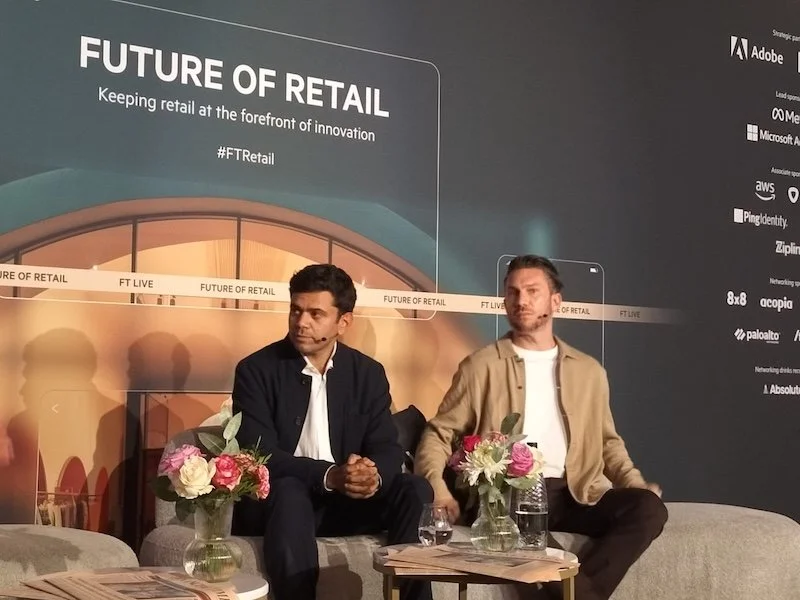
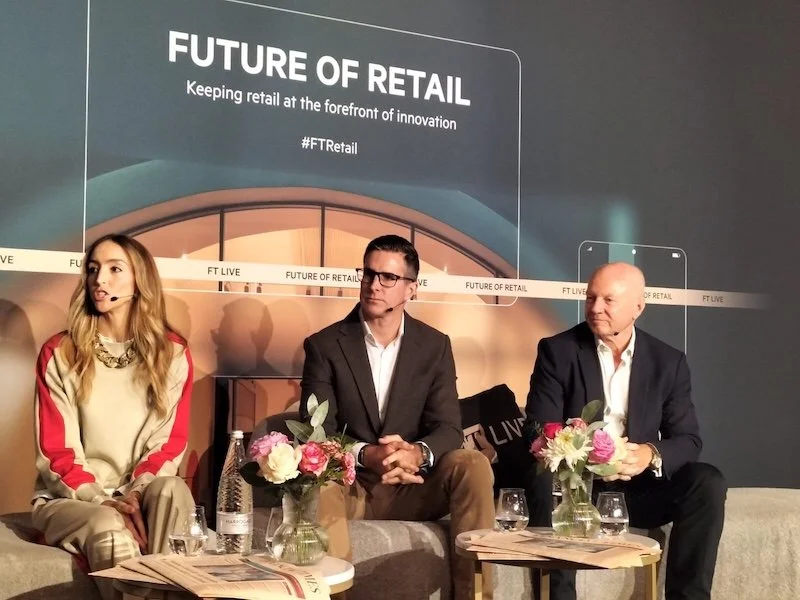
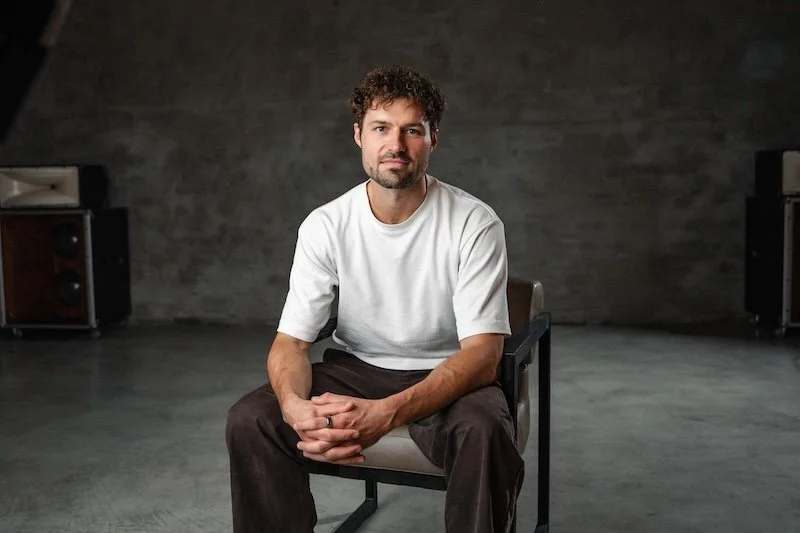
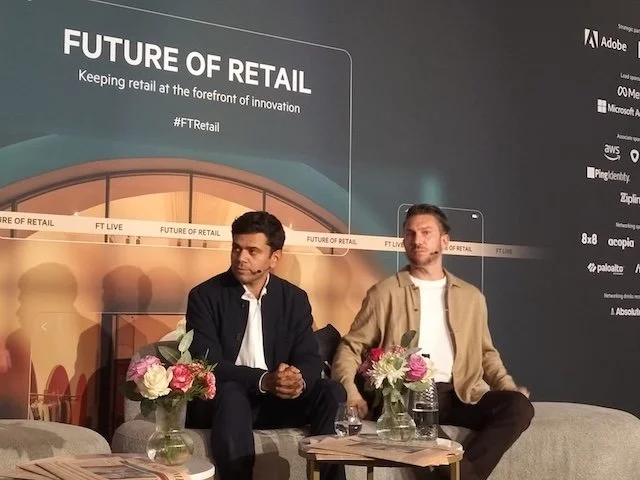
Social media and commerce is a “ferocious and hungry beast” that constantly needs feeding with up to 700 pieces of content per month, reflected Taymoor Atighetchi, CEO and Founder at digital stationers’ Papier, which is opening its first physical store next year, at the FT Live 2026 Future of Retail event in the City of London this week.
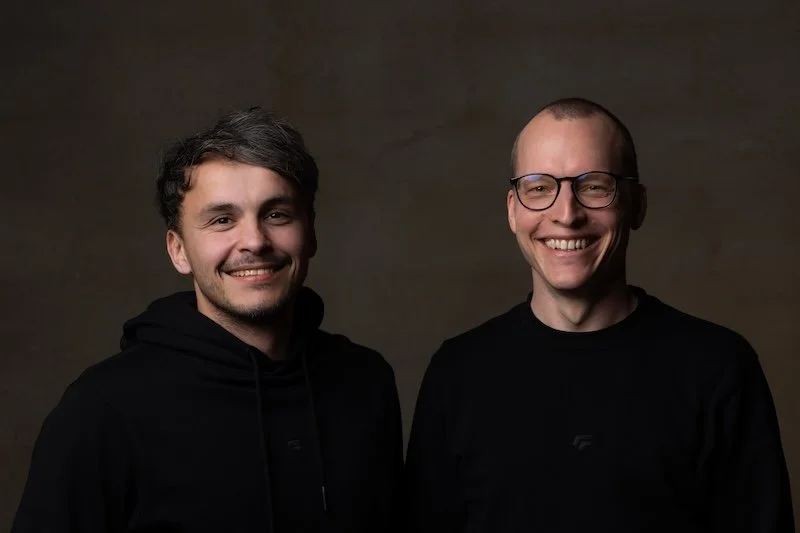
It’s a sentiment fellow panellist, David Abrahamovitch, CEO at Grind, a UK coffee and accessories seller, which has undergone the opposite journey from shops to online in the omnichannel space that Papier is now targeting, agreed with during a conference session entitled: How Retailers Can Compete in the TikTok & Instagram Economy?
“We actually do most of our social commerce on Meta’s Facebook or the Google platform,” said Abrahamovitch at FT Live Future of Retail. “Partly because we know we’ll get return on investment on that.”
“We do use Tik Tok itself, but not so much TikTok Shop. That is a very different animal,” continued Abrahamovitch, as he reflected on how Grind has been burned in the past and learnt how it can be somewhat of a price centric clearing house, which might be OK for a fashion retailer trying to offload unseasonal clothes but isn’t suitable for a premium coffee brand selling evergreen products.
“I’d also advise against getting too excited chasing customer acquisitions with fantastic new joiner offerings as we’ve learnt they don’t stay and become long-term valuable customers.”
“Pick your viral moments too and control your narrative,” he added, while admitting it’s no good producing expensive polished content anymore that isn’t recognised when it’s chucked into a modern algorithms, such as Meta’s Andromeda.
Andromeda stain
This algo adversely impacted ranking prerequisites when it was introduced by Meta on Instagram and elsewhere with little warning recently. It helped to fuel the digital retail sector’s move towards having to produce ever more content that was previously necessary to get rankings and sales, negating the quality for the quantity to feed the beast as it were.
The ferocious nature of the social commerce beast was perhaps best recognised by the absence of Vanessa Spence, EVP of Brand & Creative at Asos, who was due to be part of the panel at FT Live Retail 2026, but withdrew as the fast fashion giant suffered a high profile cyber attack on 6th October.
“Lower product quality and ‘unboxing type videos’ that can be made on your phone seemed to be prioritised by Meta’s new Andromeda algo, which isn’t what a premium retailer like us wants,” said Atighetchi, while admitting that his company still had to play the game to remain relevant. “TikTok Shop is a QVC style deal shop channel as well,” he said, agreeing with his fellow panellist that “the D2C gold rush era is over” and socials have become harder more recently. Andromeda seems to favour lower product and content quality in terms of pricing and ‘unboxing type videos’ that can be made on your phone.
“It’s a volume game now. We also seed - i.e. give away free product - to people who we know will make new content for us and reach their followers. It’s cost effective.”
Risk factors
The risk of being unprepared when a social platform changes its algo are evident, but the panellists at FT Live Retail 2026 also discussed insisting on ROI and being aware of returns cost and fraud as issues.
“We saw hundreds of deliveries to one address in a high rise block of flats in London,” said Abrahamovitch, when sharing too generous customer acquisition first time customer learnings. However, Grind still plays the game and creates “viral moments” via aligning with Coffee Week and so on and collaborating with artists, Pokémon and so on to get social traction and customers.
It seems that feeding the beast and the cost benefit analysis of social commerce is still worth it. But Abrahamovitch did advise diversifying “so you’re not overly reliant on one platform or channel”. His store led initial opening phase also helps to build trust and loyalty with customers which is paradoxically more important than ever in a digital era - if you don’t want to compete on just price alone.
“Trust does still matter,” concurred Atighetchi, while concluding: “Social media has its place, but we are all using it too much.” Amen to that! But equally it isn’t going away, especially in an era of agentic AI led commerce where a firm’s control over its data quality and product listings will be more important than ever when aiming to get to the top of an agent’s ranking, rather than just an SEO engine or a social platform’s algo.