FT Live Future of Retail Summit review: store experiences still count says JD Group CEO Régis Schultz
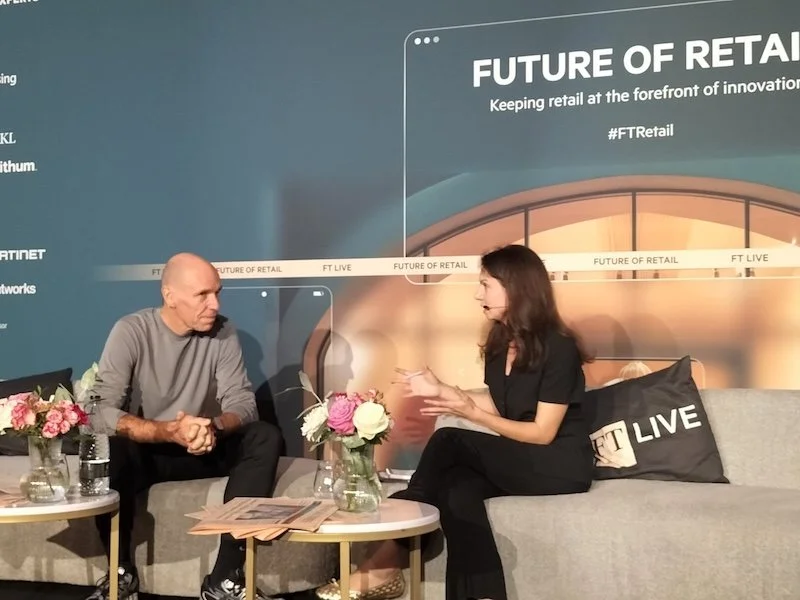
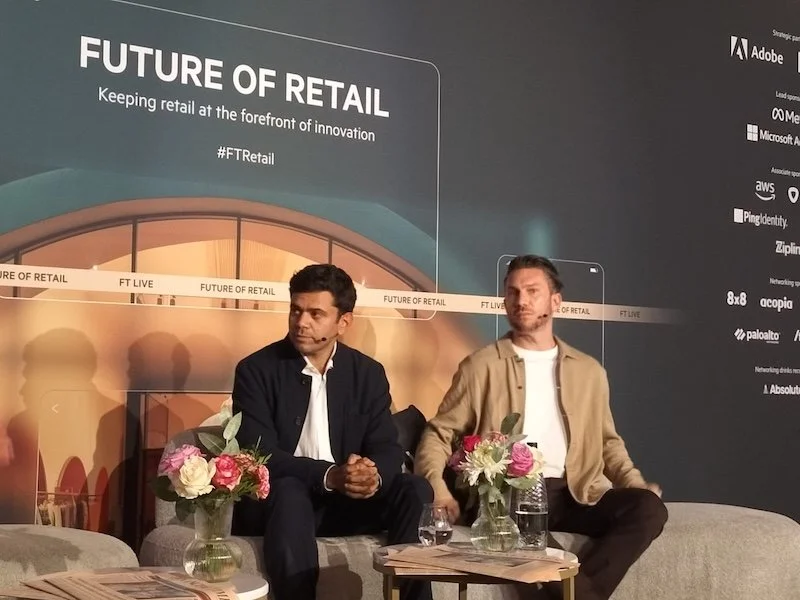
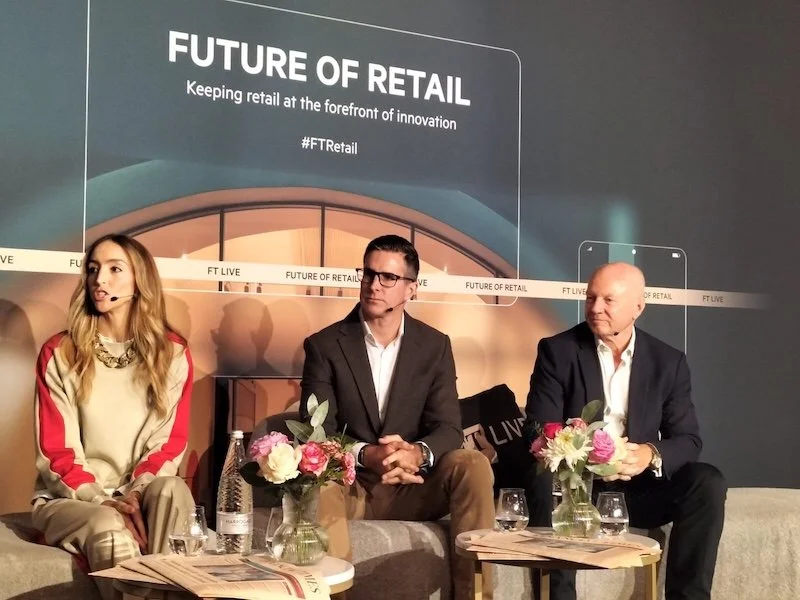
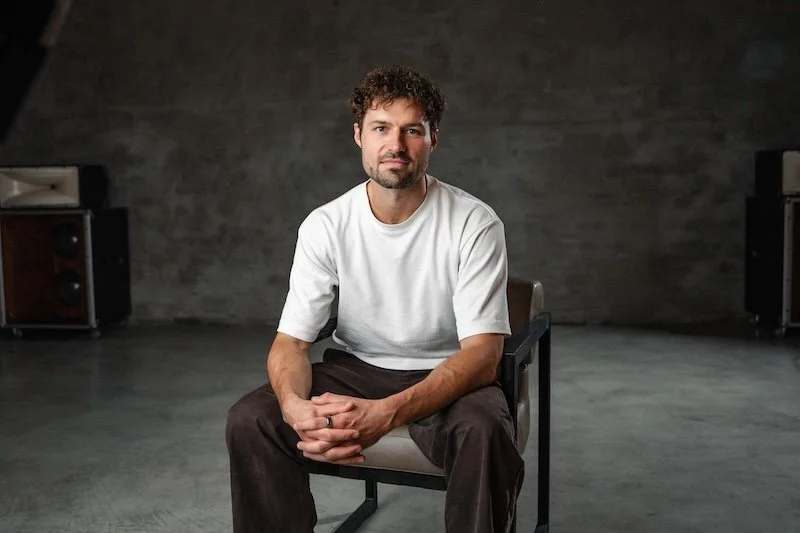
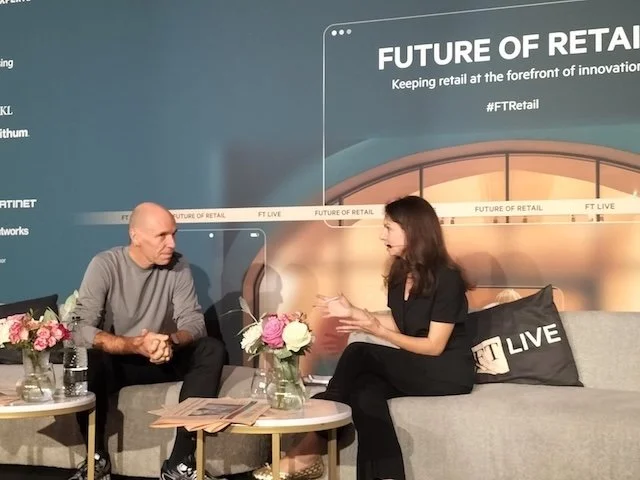
The physical store is still important because “it’s where we connect with consumers”, said Régis Schultz, CEO at JD Group, in a keynote address at the FT Live 2026 Future of Retail event in London this week.
“We’re going for bigger stores with a view to giving customers’ experiences,” explained Schultz, while discussing his company’s in-store cafes, barbers, till checkout service in under a minute, constant stock availability in large units, such as the one at a Westfield shopping centre in London where it effectively has a warehouse in the back-end with attendant technology.
“Humans are social animals. We want to serve that need and give instant gratification - online can never do that,” he said, while adding it isn’t as good for the brand either, although it does of course have its place…The industry used to talk about a seamless omnichannel experience in retail. But no more. It should be different with the store offering an alternative to online.”
Stores still matter
“Offline needs to be more efficient, however, when ‘competing’ with digital options,” he added in a conference session conversation with Laura Onita, Retail Correspondent at the Financial Times (FT). “The 15-20% conversion rate in-store can be better.”
“AI technology can potentially help with that,” he later added when considering better personalisation via greater data mastery; inventory control and constant stock availability; and designing and promoting great store experiences. “We don’t do self-checkout at tills a lot in our stores either because it’s too complex in regard to the security tags for higher value goods…We do have over one billion people per year in traffic at JD, so it’s just a question of right product, at the right price, and getting that experience right in terms of growing the business.”
As part of that great customer experience that he is targeting, the French head of JD Group joked that “even UK consumers don’t like to queue”. However, high labour costs don’t help the firm in terms of meeting its less than one minute queuing time target.
Future threats?
In terms of any threats that Shultz sees on the horizon for his burgeoning global business, youth unemployment is a crucial worry for him, both in terms of how bad it is for youngsters themselves not to have work and to be able to develop, but also in terms of how it adversely impacts their spending power and ultimately his bottom line.
“Youth unemployment is bad in the UK at the moment,” he said. Indeed, the Not in Education, Employment, or Training (NEET) debate is presently very high on the political agenda.
“Europe isn’t good either. The US is better,” he added, while reflecting on his own first job stacking shelves and how important it was in getting him started and motivated. “If a kid can be given even ten hours a week of work then it can grow to 20 hours, and then onwards from there after they’ve been given a start. It is better than having no job at all.”
Whether retailers will get any help in terms of their labour costs in the imminent UK budget was much debated the FT Live event. But of course no one knows yet what will be in the government’s economic plans. AI might not be beneficial either in terms of providing jobs in the future. But that debate - and the validity of whether it’s wise to tax the machines to provide a universal basic income for all, that people can then build on by their own job efforts if they want - wasn’t had in-situ either.
There is no doubting that it is a tough time for many retailers as cost-of-living pressures resurface for many consumers and high energy costs impact them. As ever though, good CX in whatever channel and good prices and propositions can still win out.