How real-time stock syncing stops e-commerce losses
Online stores lose money every single day when stock counts get out of hand. Overselling products leads to cancelled orders, unhappy customers, and wasted processing fees.
Automated stock updates fix this headache before it impacts your bottom line. Instant numbers keep storefronts accurate across every selling channel without manual effort.

Photo credit: Pixabay.
The True Cost Of Overselling Online
Customers expect item availability to match what they see on screen during checkout. Selling items you do not possess triggers refund requests and damages brand reputation fast. Negative shopping experiences prompt customers to leave bad online reviews that scare off future buyers.
Payment processors charge fees on transactions even when you issue full refunds to buyers. Repeated cancellations lead to lost future sales from buyers who shop elsewhere next time. These hidden transaction costs drain monthly store profits silently.
Manual stock updates leave wide windows of time for double orders to happen online. Fast selling items create chaos during promotional sales events when inventory drops quickly. Automation closes those operational gaps before customers hit the buy button.
Eliminating Phantom Stock Errors
Phantom stock occurs when sales records show items in stock that left the warehouse weeks ago. Discrepancies creep into seller records through simple human typing errors during busy shifts. Warehouse staff waste hours searching for products that do not actually exist on physical shelves.
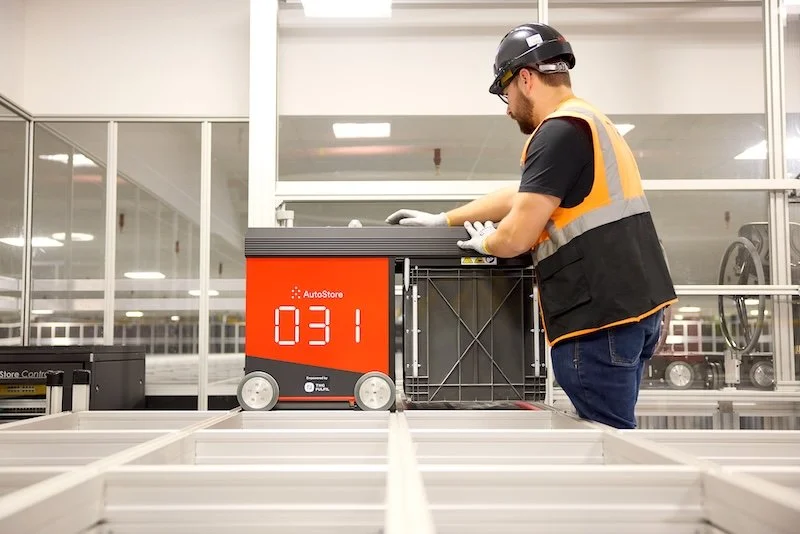
Discrepancies drop quickly when inventory updates happen automatically across systems. Integrating a modern inventory management system connects physical warehouse shelves directly to your online checkout page. Direct connection stops ghost items from staying listed online.
Clean data keeps store operations running smoothly without sudden surprise stockouts during peak hours. Staff spend far less time hunting down misplaced items in crowded storage aisles. Daily workflow becomes predictable and stress-free for whole warehouse teams.
Protecting Profit Margins Across Multiple Channels
Selling products on multiple marketplaces doubles your reach, but it multiplies operational risk significantly. Orders coming from separate platforms drain physical stock simultaneously without dedicated software. Manual adjustments cannot keep up with high volume orders arriving together.
Automated syncing updates quantities on every channel the second a checkout finishes online. Sellers maintain tight control over profit margins across every active storefront without constant monitoring. Multi-channel selling becomes safe, reliable, and scalable for growing brands.
Research on supply operations reviewed 52 recent papers on Industry 4.0 techniques to bridge theory with actual business practices. Modern automation replaces risky manual spreadsheet tracking with reliable digital records. Connected software prevents costly double selling across third-party marketplaces effectively.
Stopping Stockouts Before They Occur
Running out of popular stock halts sales momentum instantly on your storefront. Customers who land on out-of-stock pages rarely return to check back later for updates. Competitors snatch up those frustrated buyers right away when your stock hits zero.
Automated alerts signal staff to reorder items before stock dips below safety thresholds. Warehouses stay stocked with top sellers without overspending capital on unneeded products. Smart inventory rules keep product turnover steady throughout the entire calendar year.
Here are primary signals that warn of impending stock shortages:
High daily velocity on trending product lines
Supplier lead times stretching beyond standard shipping schedules
Seasonal buying spikes draining existing warehouse safety stock
Timely reordering keeps your storefront active around the clock without manual checks.
Preventing Capital Loss From Overstocking
Excess stock ties up working cash that businesses need for daily operations and marketing. Storage fees stack up quickly when slow moving merchandise sits on warehouse shelves for months. Tied-up cash limits your ability to buy fresh inventory that customers want.
Real-time data reveals which items move fast and which items trap capital uselessly. Store owners adjust ordering habits based on real customer purchasing patterns rather than guesses. Accurate forecasting prevents over-purchasing slow inventory lines that sit around.
Unsold stock forces steep discount sales just to clear physical warehouse space for new items. Clear inventory metrics protect profit margins from heavy markdown hits. Accurate data maintains healthy cash flow for business expansion plans.
Improving Warehouse Fulfillment Speed
Fast shipping demands precise knowledge of item locations inside fulfillment centres at all times. Order pickers lose valuable minutes hunting for items listed in wrong storage bins. Disorganised product tracking slows down entire shipment pipelines and delays customer packages.
Barcode scanning devices update item counts instantly as workers pack outgoing shipments. Testing on optical scan tracking shows theoretical accuracy reaching 95%, though real-world setups hit 86 to 90%, caused by real-world environmental factors. Precise scanning keeps catalogue records aligned with physical shelf stock seamlessly.
Faster packing processes lower overall shipping costs per order significantly. Quick turnarounds keep customer satisfaction metrics high across all storefront channels. Efficient operations turn single orders into lifelong customer relationships effortlessly.
Reducing Operational Overhead Costs
Paying staff to manually audit physical inventory wastes payroll resources every month. Human audit teams work slowly and still make counting mistakes during long shifts. Manual counting forces store shutdowns during end-of-year inventory checks, losing valuable sales revenue.
Live stock updates cut labour hours required for routine physical stock checks dramatically. Warehouse teams redirect their attention toward faster order processing and quality control checks. Automated checks keep operations moving forward without stopping daily workflow.
Businesses save resources by streamlining daily tasks:
Removing routine manual stock counts
Cutting labor hours spent fixing customer order mistakes
Eliminating emergency shipping costs for missing items
Automated workflows keep operational budgets under control throughout the fiscal year.
Elevating Customer Loyalty And Satisfaction
Shoppers demand accurate shipping estimates and instant order fulfillment when buying online. Cancelled orders break trust and push shoppers into buying from direct competitors instead. Reliability forms the cornerstone of online retail success in modern markets.
Delivering orders accurately on schedule builds strong customer retention rates year-round. Satisfied buyers post positive product reviews that attract new store visitors naturally. Great reviews reduce long-term customer acquisition expenses for growing brands.
Consistent order fulfillment converts one-time buyers into repeat brand advocates quickly. Long-term business growth rests on fulfilling every customer order correctly from day one. Flawless execution keeps customers returning month after month for new purchases.
Scaling E-Commerce Operations Smoothly
Growing stores face inventory complexities as product catalogues expand across multiple warehouses. Handling hundreds of orders daily without software leads to complete warehouse breakdowns and delayed packages. Disorganised growth turns exciting sales spikes into operational nightmares overnight.
Scalable stock tracking systems absorb rising order volumes without adding administrative stress. Store owners expand into new selling channels with full confidence in their operational capacity. Automation provides the backbone required for multi-store management across regions.
Connected systems provide a solid foundation for sustainable business growth. Real-time data guides strategic expansion into new market opportunities without guesswork. Business owners scale revenue without increasing overhead expenses proportionally.
Real-time stock updates protect e-commerce stores from costly errors and inventory mismatches. Precise stock numbers keep selling channels synced while guarding valuable profit margins.
Modern inventory tools keep fulfillment operations fast, lean, and accurate. Investing in live tracking builds a foundation for long-term retail success.