Tech enabled store modernisation: how renovations boost CX and investment ROI
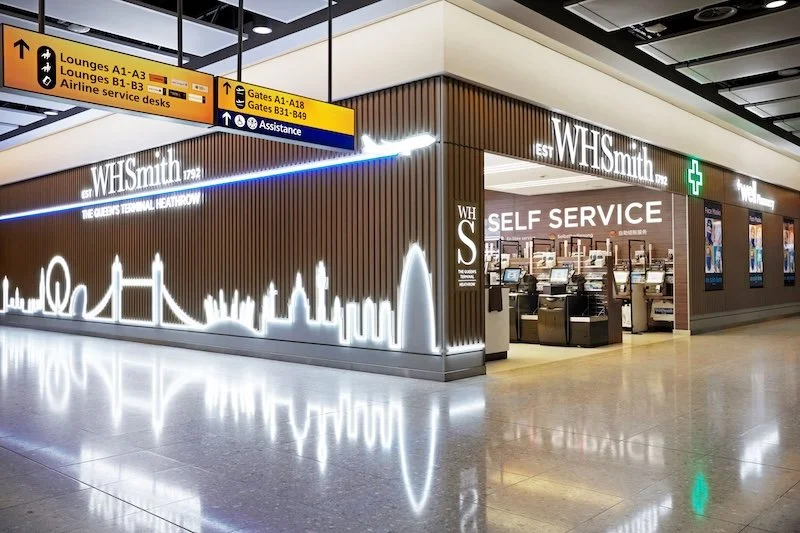
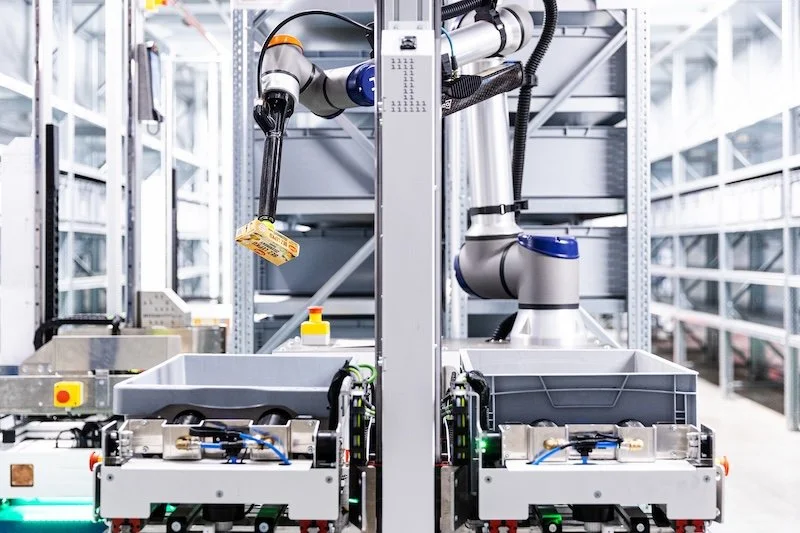
Walk into a newly renovated single tenant space today, and you aren't just walking into a building. You are entering a physical interface. The lighting adjusts automatically. The point of sale system is hardwired into the floor. The HVAC is zoned specifically to keep the server room cool while keeping the customers warm.
For the customer, this feels like a seamless, modern experience. For the property owner, it looks like a massive capital expense.
The Disconnect Between Construction and Taxes
Here is the problem: when you spend a million dollars renovating a retail building, your accountant’s default move is often to lump that entire million into "real property." On the books, that means you are slowly recovering that cost over 39 years. That is a lifetime in retail. By the time you fully depreciate those assets, the technology you installed will be in a museum.
The reality of the building doesn't match the tax schedule. The copper wiring for the registers, the decorative millwork, the specialised track lighting - none of that lasts 39 years.
Smart money doesn't wait four decades to get paid back. Instead, savvy owners use cost segregation to align the tax treatment with reality. The goal is to break one commercial property into separate components, isolating the parts of the building that are actually "personal property" or "land improvements" rather than structural real estate.
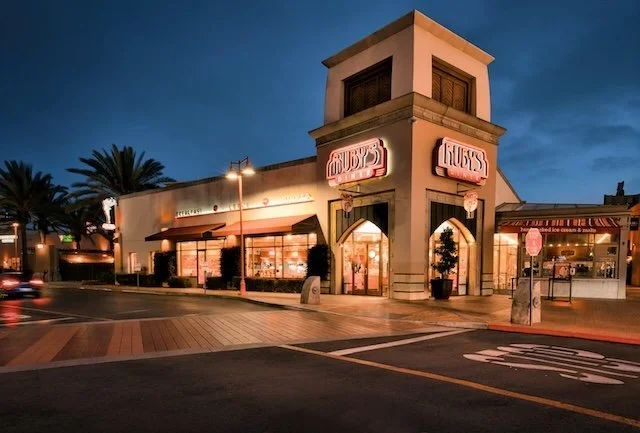
Photo credit: Unsplash.
Why Tech Upgrades Are a Tax Goldmine
When you modernise a store, you are rarely just pouring concrete. You are installing systems. And systems depreciate faster than walls.
Consider a typical single tenant renovation. You might be tearing up the parking lot to install curbside pickup lanes (15-year property). You are likely running heavy cabling for a new PoS system (five-year property). You might be putting in specialised refrigeration or accent lighting (five-year property).
According to data from R.E. Cost Seg, it is not uncommon to see nearly 30% of a building’s cost basis reclassified into these shorter life buckets. For a property owner, this isn't just accounting trivia. It is a massive surge in first-year cash flow.
If you utilise bonus depreciation, which sits at 60% for 2024 and 40% for 2025, you can write off a huge chunk of that renovation immediately. That liquidity is vital. It pays for the inventory, the marketing launch, or the down payment on the next location.
The Single Tenant Advantage
This strategy works particularly well in single tenant retail because the lines are clear.
In a multi-tenant strip mall, figuring out who owns what can be a nightmare of paperwork. But in a standalone retail building, the systems are usually uniform. The HVAC serves one purpose. The security system covers one perimeter. This simplicity allows engineers to conduct studies faster and with more precision.
There is less ambiguity about what constitutes a "structural" component versus a "business asset." A wall is a wall, but the demountable partition used for a seasonal display is clearly equipment. Identifying these distinctions is where the ROI jumps.
Funding the Future
We often talk about ROI in terms of sales per square foot. That matters, of course. But the efficiency of your capital matters just as much.
If you leave your renovation costs sitting in a 39-year depreciation bucket, you are effectively giving the government an interest-free loan. By aggressively segregating those costs, you keep the cash in your pocket.
Staying Relevant
Modernising a store is necessary to stay relevant. Customers demand it. But you shouldn't have to foot the bill entirely out of pocket when the tax code offers a way to subsidise the upgrade. Treat the renovation as a portfolio of assets, not a single construction project, and the math starts to look a lot better.