VoCoVo's Martin Smethurst talks 2026 trends and challenges including retail crime and AI
Martin Smethurst, Chief Customer Officer at VoCoVo, has been busy chatting to customers including Tesco, Coop, Boots, B&Q, and Sainsburys, and has put together some insights into what trends and challenges will be front of mind for retail leaders and colleagues heading into 2026.
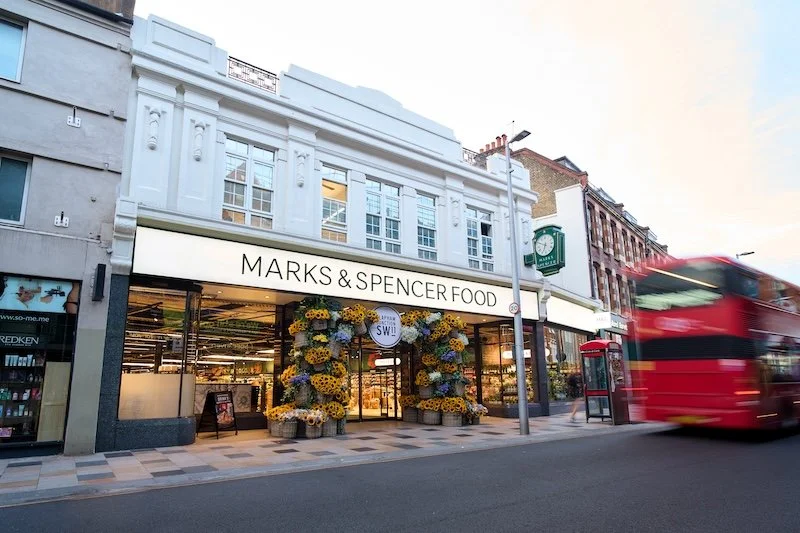
The return of the high street as a community hub
2026 will mark the comeback of the high street as bustling, vibrant community hubs. Despite a backdrop of closures, regeneration is a work in progress and gaining momentum in towns up and down the country. The government’s recent Pride in Place initiative, for example, allows local people to have a greater say in the future of their beloved high streets.
Our high streets are vital to the UK’s economic and social fabric, providing a space for people to meet, shop and connect with each other. But, it’s going to take a collective effort to breathe new life into our precious community centres, with government and council initiatives needing to drive regeneration from the top. Thoughtful planning must combine with accessible parking and affordable rates to keep retail centres attractive next year.
A successful example this year includes Oxford Street’s car-free day, which saw an uplift in customer footfall. Initiatives like these, designed to create an environment people want to spend more time in, can have a positive effect in boosting the wider retail economy.
Next year, we hope to see more initiatives like these, such as wider pavements, green public spaces and measures to protect high street stores through government backed programmes.
The collective response to retail crime and abuse
This year has witnessed a sharp rise in large-scale, sophisticated attacks from organised crime groups. The national policing team, in collaboration with retailers, caught criminal gangs collectively responsible for over £5.2 million in losses - which was a huge win.
Going into 2026, turning the tide on retail crime will require a collective effort.
The passing of the Crime and Policing Bill into law will result in more arrests and tougher action against retail criminals, with the assault of a shopworker becoming a standalone criminal offence. This alone, however, is not enough to fully protect shopworkers, particularly from non-criminal acts such as verbal abuse.
Charities and industry bodies, such as the Retail Trust, must continue to get behind and support retailers, with the startling reality that 77% of retail team members have faced intimidating behaviour in the last year. Abuse of any kind on shop floors will not be tolerated and retailers will band together, sharing best practices to protect their workforce.
Retailers will continue to actively share intelligence to help disrupt criminal activity and tackle increased levels of abuse across the sector. This will help bridge the gap between larger retailers who have the resources and power to tackle these issues head on and smaller retailers who face a tougher challenge due to limited resources and tighter budgets.
Technology will continue to play a supporting role. For example, AI integrated into CCTV and internal communication tools such as headsets can help security teams detect suspicious behaviour early and contact help at the touch of a button. While these tools cannot stop every incident, they act as an important deterrent and provide valuable evidence for investigation and prosecution.
Looking ahead, continued collaboration will be essential. Larger retailers must support smaller businesses through shared intelligence, coordinated security strategies to help crack down on relentless organised criminal groups.
Smart AI, stronger human connections
The AI solutions that succeed in 2026 will be those that apply it thoughtfully, focusing on areas that add real value to colleagues and customers. Adoption must respect customer privacy whilst preserving the human connection that remains central to retail experiences.
AI deployments that create friction or feel like they are imposed are unlikely to be welcomed by customers, and may even undermine trust and the shopping experience. We’re therefore likely to see a carefully considered hybrid AI approach combined with human-led customer service to assist colleagues, rather than replace them.
For example, we’re starting to see AI guiding customers through complex DIY projects, delivering step-by-step instructions and shopping lists to customers, alongside sharing useful video content via QR codes. But colleagues remain available to support customers face to face as well. The smartest retailers will pick the solutions that consistently win on the shop floor, not those that are surrounded by hype.
RTIH AI in Retail Awards
RTIH proudly presents the first edition of its AI in Retail Awards, sponsored by VenHub Global, 3D Cloud and EdTech Innovation Hub.
As we witness a digital transformation revolution across all channels, AI tools are reshaping the omnichannel game, from personalising customer experiences to optimising inventory, uncovering insights into consumer behaviour, and enhancing the human element of retailers' businesses.
With 2025 set to be the year when AI and especially gen AI shake off the ‘heavily hyped’ tag and become embedded in retail business processes, our newly launched awards celebrate global technology innovation in a fast moving omnichannel world and the resulting benefits for retailers, shoppers and employees.
Our 2025 winners will be those companies who not only recognise the potential of AI, but also make it usable in everyday work - resulting in more efficiency and innovation in all areas.
Winners will be announced at an evening event at The Barbican in Central London on Thursday, 29th January. This will kick off with a drinks reception in the stunning Conservatory, followed by a three course meal, and awards ceremony in the Garden Room.