How cloud-based restaurant PoS technology improves multi-location operations
Running more than one restaurant is not easy. Each location has its own staff, stock, and daily issues.
Investing in the latest technology, like PoS and labeling systems, helps bring everything together by letting owners see what is happening across all locations in one place. Below is how a cloud-based restaurant PoS technology streamlines decision-making and daily operations across different locations.
1. Real-Time Sales and Performance Insights
Data-driven decision-making is not limited to large operations or hotels. Modern restaurants also need multiple points of access to actual sales and performance insights to enable owners to adjust their operations.
Cloud PoS systems provide instant access to important insights like sales trends and customer preferences. Unlike traditional tools that require manual reporting, these latest technologies update this information once it is available. That means owners can check sales, orders, and payments from anywhere.
The speed matters for food joints operating from locations that are far from each other. For instance, one store may be slower than usual in submitting daily reports. Another might be selling more of certain foods.
These differences can make it hard for the management to measure performance and profitability. Using the same cloud-based PoS system in all locations enables the management to compare and act fast to improve efficiency in low-performing areas.
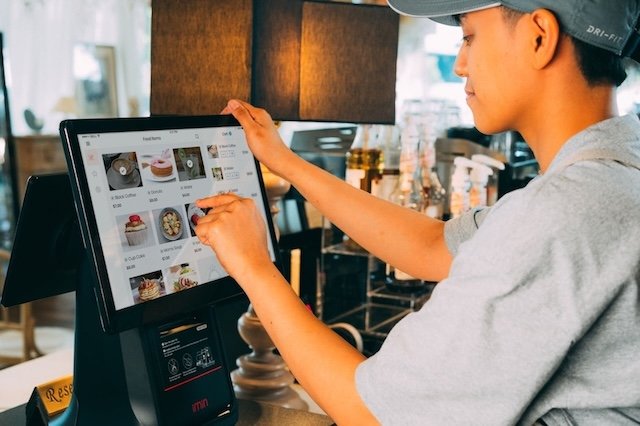
Photo credit: Pexels.
2. Simplified Inventory Management
Inventory can get messy fast when dealing with multiple restaurants. A cloud-based PoS system keeps stock levels connected across all locations. It does this through automatically updating when an item sells.
This reduces guesswork as inventory managers know what is running low and what is overstocked. That means they can place orders on time and avoid surprise shortages. This makes restaurants experience fewer wasted ingredients and fewer disappointed customers.
Integrating PoS systems with a certain restaurant label maker also assists with menu consistency. If one location uses more ingredients and supplies than expected, managers will notice. They do not need to be on site to catch portion issues, waste, or even theft.
Some systems also enable the transfer of stock data between locations. This helps when one store has extra, and another is short. Overall, the systems improve inventory tracking accuracy, which is key to enhancing customer satisfaction.
3. Secure Guest Data Storage and Backup
Restaurants handle a lot of sensitive information. This includes customer contact data and order history. A cloud-based PoS keeps this information in secure data centres instead of a single in-house device. This reduces the chances of data loss through system failure or theft. Automatic backups are another key benefit. If a terminal breaks or a system crashes, staff can still log in from another device and keep working with the data without disruption.
Many of the latest PoS systems also have background security updates. That means restaurants do not need to manage them themselves. This helps protect guest data from new threats without adding extra work for the team. The consistency matters for multi-location operators. Every location follows the same security standards. That builds trust among guests and helps restaurants meet basic data protection requirements without added complexity.
Endnote
Managing multiple restaurant locations takes structure and clear information. Cloud-based PoS technology provides both by giving real-time sales data, simplifying inventory, and ensuring guest data security. This ensures everything connects in one place, which makes daily decisions easier and long-term planning clearer.