.png)
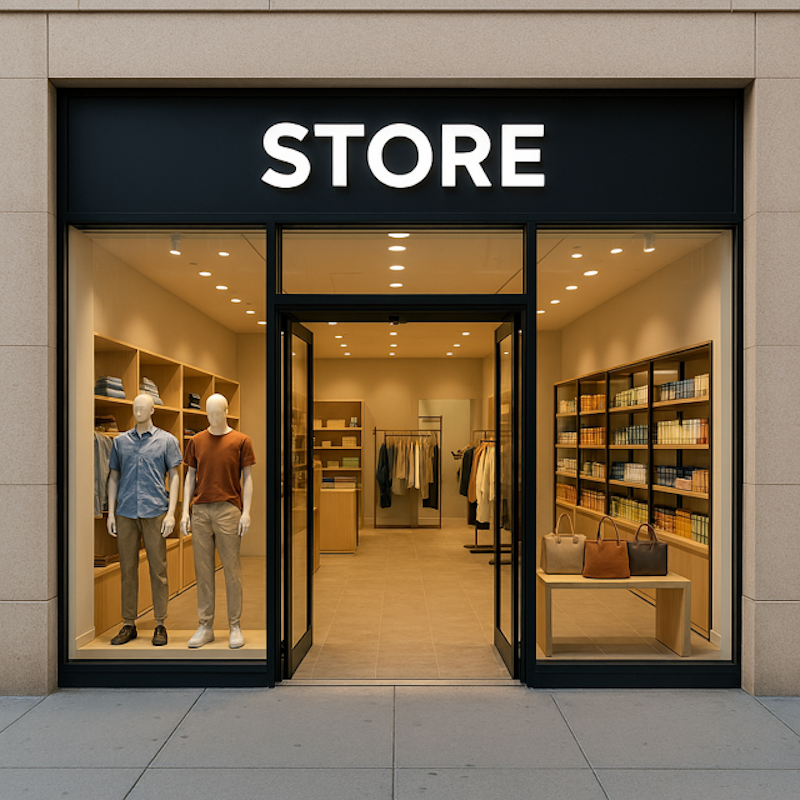
Every year, physical retail undergoes vital changes in how sellers treat and build relationships with their clients. Displaying products in smart ways and training employees to be responsive but not overbearing used to be the maximum of what could be done to increase sales and deepen client loyalty.
Today, AI has redefined the entire industry, turning it from storefront to smartfront where managing operations and meeting client needs have become two deeply customized processes.
The Shift from Reactive to Predictive Retail
AI and retail have become two tightly interlinked concepts. The stores no longer focus on reacting to their physical customers’ real-time wishes: they predict what they need and take care to deliver it in advance, a fact that improves client experience to a previously unachievable margin.
Take tech shops that sell technology to their buyers. What kind of services do you associate them with? In the past, the most they could do was offer various types of tech and provide detailed explanations about their usage.
Today, if you discover that your iPhone has been hacked and panic, you can find immediate professional guidelines online. A lot of them come from tech experts, including stores that used to specialize in physical retail alone. Artificial intelligence in retail market has become a necessity: customers expect smart stores to anticipate their needs before they take shape.
Smarter Experiences for Physical Customers
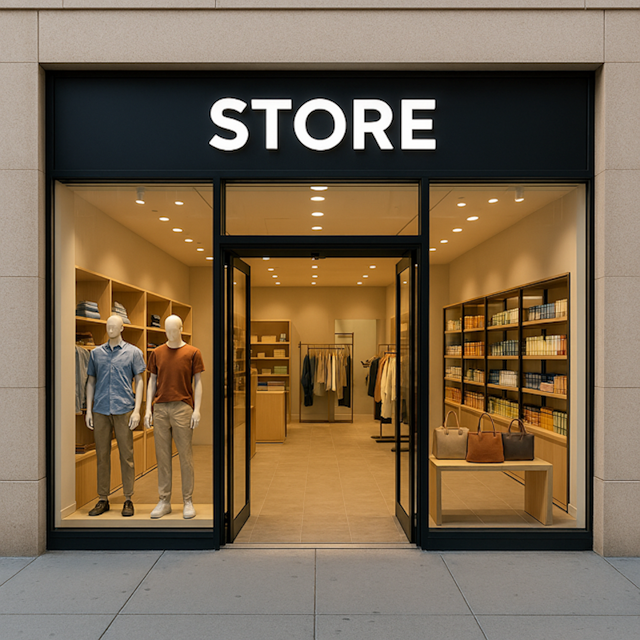
There is an endless number of stores out there, both online and physical ones. Customers tend to remember those that supply them with a truly memorable client experience. Here is how AI can help with it:
● Personalised recommendations. Most people prefer to browse a store’s website before visiting it physically; AI can make smart, unique product recommendations based on a visitor’s browsing patterns, purchase history, and known user characteristics.
● Context aware promotions. Stores can now rely on AI to design special promotions based on the time of day, client activity, inventory levels, and even weather conditions, which encourages more clients to make a purchase they haven’t planned.
● Real-time in-store item modelling. Modern AI powered tech can let customers try on different clothes and check how they look in them from every angle, something that simple mirrors can’t provide. Such virtual experiences linger in people’s memory for a while.
● AI driven store navigation. AI helps physical stores analyse foot traffic patterns and improve people’s movements through aisles, change ineffective product placement to a smarter one, and reduce annoying bottlenecks. This seemingly invisible work has the power to enhance client experience greatly.
AI as the Invisible Retail Assistant
More and more stores are embracing AI in all their operations, as their management realises what kind of cost-efficient impact it might have on their business. How do we know this? By checking the latest research from retail market research firms. At least 64% of retail CEOs have begun to rank AI as their number one investment asset, which proves how essential it is in this industry. It’s not that AI can or should replace the actual employees, but it can definitely make their work easier and more efficient. For example:
● Automated shelf monitoring. AI powered cameras can detect when some products are misplaced, about to expire, or missing; in turn, this gives store employees an opportunity to take action immediately without triggering clients’ dissatisfaction.
● Predictive staff scheduling. With the help of AI, staff scheduling has become a simpler and much more satisfying process; the potential for mistakes has been all but eliminated. In addition, AI determines how many people should work per shift based on seasonal and daily traffic patterns.
● AI assisted fraud detection. AI helps security monitor how clients behave in a shop; it detects unusual or suspicious patterns, which allows preventing fraud and saving products and money.
● Real-time operational guidance. AI dashboards give management and employees guidance in real time, alerting them to locations where clients need assistance, drawing attention to shelves that need restocking, and so on.
This way, store employees understand what they should make a priority, what their clients need, and how to meet these needs. The number of mistakes and potential sources of dissatisfaction has been reduced due to smart AI usage, and this results in better experiences both for clients and human shop assistants.
Potential Challenges with AI Usage in Retail
It goes without saying that AI is still imperfect. Many people are wary of it because they think it can compromise their privacy. That’s why smart stores must address these worries clearly, both for the benefit of clients and employees.
There must be clear communication about how data is collected and used. People need to know that their privacy won’t be violated and used for nefarious purposes. Facial recognition tools and surveillance tech must be used responsibly, and if a customer or an employee has questions, they must receive instant transparent answers without having to ask for them.
AI Impacts on Physical Retail
AI has redefined the sphere of physical retail to a huge extent. A lot of its impacts aren’t instantly visible, but customers can feel the difference even when they aren’t certain what causes it. Walking through aisles in a busy shop without facing headache inducing bottlenecks; finding help online as soon as they form their request; getting surprisingly accurate recommendations and discounts that suit their current circumstances perfectly - all these impacts can be attributed to successful AI use.
In the future, it’s likely that AI will play an even bigger role in delivering memorable experiences to clients. Some shops already employ VR and real-time AI scans to model unique offers to their customers; even more opportunities are bound to appear soon. This is the rare case where everyone wins, as customers, management, and employees all benefit from this kind of AI implementation.



Comments (0)
No comments yet.