How smart brands use OOH to strengthen the retail funnel
In the past, the retail funnel was a simple thing - someone needed something so they searched for whatever it was they needed, probably compared a few options, and then they bought it.
But things have changed, and most of the time that’s not actually how it works anymore - people aren’t so predictable, and neither are their shopping habits, and they’ll easily go from browsing to forgetting completely to remembering at a weird time to buying at an even weirder time… And that’s why out of home advertising (OOH) can really help.
What’s handy about OOH is that it can be where the people are, and it can be there even before they realise they need something. That means a brand or product is put in their minds just while they’re going about their usual day, and smart brands are using that to make every stage of the retail funnel stronger. With that in mind, keep reading to find out more.
Top Of Funnel: Building Recognition Before Intent Exists
Most retail journeys actually start way before someone’s ready to buy something, no matter whether that’s a big thing or a small one. Where those journeys start now is with exposure because people really do need to recognise your brand before they’ll even think about looking you up online or on social media, and so on.
OOH is great for this because it’s going to be in places where people are, and, even more importantly, where people aren’t thinking about much at all. They might be commuting, walking, travelling, waiting somewhere, and more, and their minds will be wandering, which means they’re going to be a lot more receptive when they see something interesting, like your OOH advertising with its strong colours, simple message, and memorable logo, for example. That’s going to help put your brand in their memory for when they need it later on.
All of this is why putting your advertising in places like public transport, billboards by the side of busy roads, shopping centre screens, and even airport advertising is a good idea - these ads do well because they’re not annoying people and interrupting them, but they’re in the background so people get familiar with your brand long before they need whatever it is you’re selling.
Mid Funnel: Guiding Research And Curiosity
Once people recognise you, your next job is to turn that recognition and familiarity (and hopefully quite a bit of trust that would have come from all that) into actual interest in buying from you.
A lot of the time, people use digital marketing to tell potential customers all about the features and benefits of something, but the reality is that you can also use OOH to make people curious to begin with, and then use your digital ideas to answer their questions, making it seem like you know them really well, and ensuring that no one has any reason not to buy.
Going from an offline reminder to an online ad to your website is a simple path, but it’s one that can really make a difference - and it’s one that people do all the time without even knowing it’s what you wanted them to do in the first place.
And although you can just rely on people’s memories, it’s often useful to add a QR code on the physical ad so they can do it there and then, and that can speed the process up even more (and it makes the customer feel good because they’re being extra productive).
Plus, this all means you have to spend a lot less time convincing people to check you out because when someone’s already familiar with you, their research won’t take as long (and may not actually be as deep) as it they’ve only just come across you.
Lower Funnel: OOH Drives Store Visits More Than People Realise
Physical retail is still massively important - we’re not quite ready to abandon it all just yet, no matter how popular online shopping might be. That’s because customers love to hold things, see what they look like in real life, and compare products in person, especially if there’s not much to distinguish things online.
OOH plays a huge role in this because it can speak to people when they’re close to the point of purchase, and that can nudge them in exactly the right direction.
That’s why you’ll often see posters for shops near retail parks, and digital screens right by store entrances, for example. It’s a way of reminding people that they’re already literally close by, so they might as well go and get whatever it was they were thinking about.
Point Of Sale: Reinforcing Choices When Shoppers Are Ready To Commit
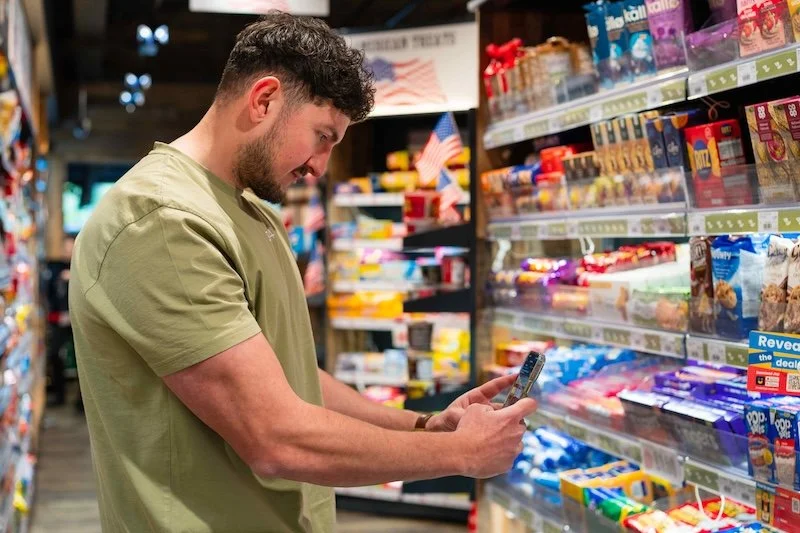
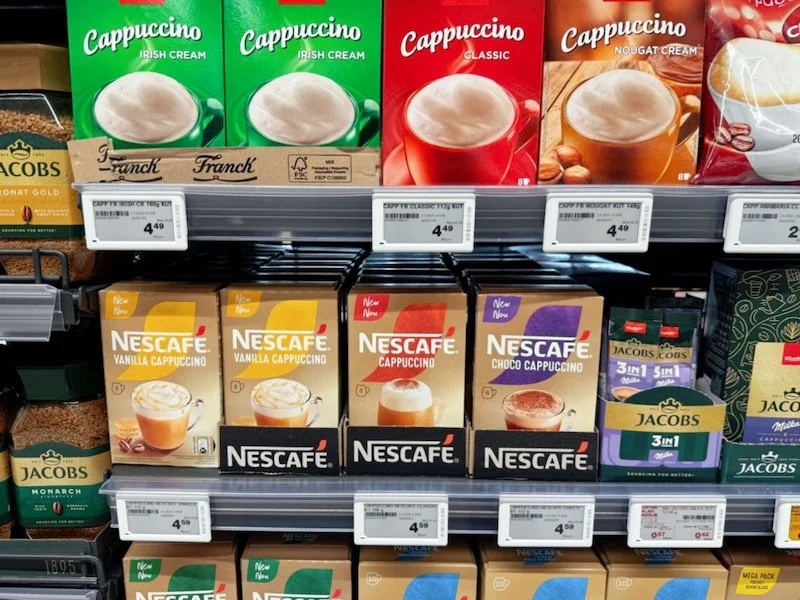
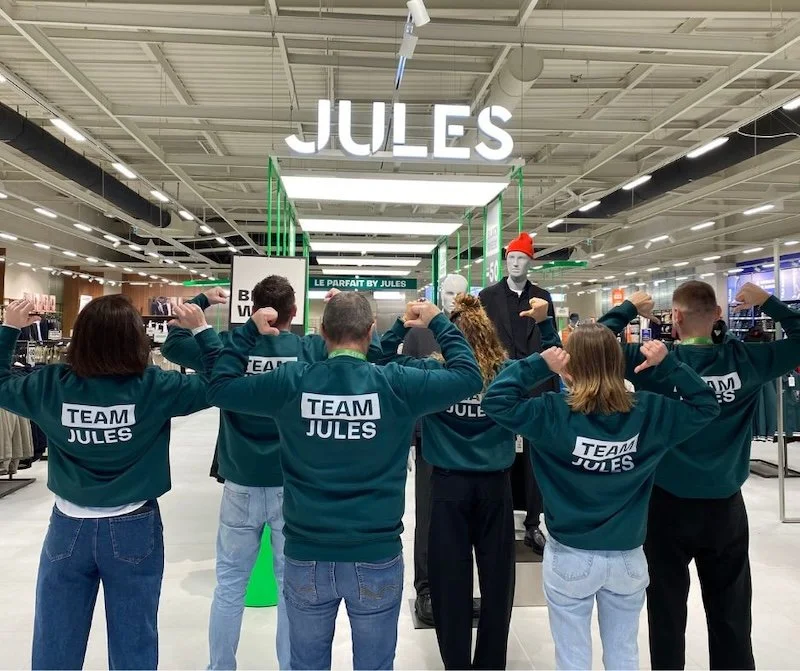
Once someone is already in the store, OOH can have a fantastic final impact. In retail, point of sale visuals are all part of this same funnel, and they can include posters, shelf displays, branded fixtures, and other visual cues that can all help the shopper feel confident in the brand they already recognise from all the outside advertising they’ve already seen.
That’s going to reduce people changing their minds because they’re still not sure, and they’ll trust what feels familiar, so not only will they be more likely to buy things, but they’ll probably end up buying more.
And as long as there’s consistency between all the different ways you’re marketing, it’s going to make you seem legitimate, professional, and trustworthy, which are all things that can make people decide to buy from you.
OOH Works With People Not Against Them
When you think about it, no one is going to go through life seeing isolated marketing messages and never putting anything together - it’s always going to be a mix of all kinds of things, whether that’s a billboard, an ad online, something a friend said, and so on.
OOH can take all that and put it together so your brand feels like something someone’s always been aware of, even if they’ve never bought from you. So, by the time they do need to use their services, they’ll know you’re the right choice.