Smart commercial zones: the future of land development
In the dynamic field of urban planning and development, the future of land use is being defined by innovation, sustainability, and intelligence.
From large cities to growing suburban areas, communities are redefining how land is used, zoned, and developed. Also at the fore, they see the trend of the development of what they term smart commercial zones, which are thought-out spaces that support economic growth, community involvement, and long-term resilience.
One example of how professional expertise is playing out in modern land planning is in the case of firms that provide full scale land development Texas. Also check out what is being done in Texas with respect to land development services. These experts are at home in the balance between regulatory issues and visionary design, which in turn enables communities to create functional and future ready environments.
What Are Smart Commercial Zones?
Smart commercial hubs are designed to bring together retail, office spaces, and support services, which in turn is supposed to increase economic output at the same time that land use is made very efficient. Also, in contrast to traditional business areas, which may develop naturally and at times in a disorganised way, smart zones are the result of very deliberate planning and tech integration.
Smart commercial areas that put forth the primary concept of multiuse spaces for residents, visitors, and businesses are what they see in these zones. Also, these zones are developed with state-of-the-art infrastructure, which includes high tech transport systems, digital communication, and sustainable energy.
As to the design and planning of these zones, which include attention to traffic flow, drainage, utility access, environmental issues, and also future growth, which is best handled by expert civil engineering and land development firms.
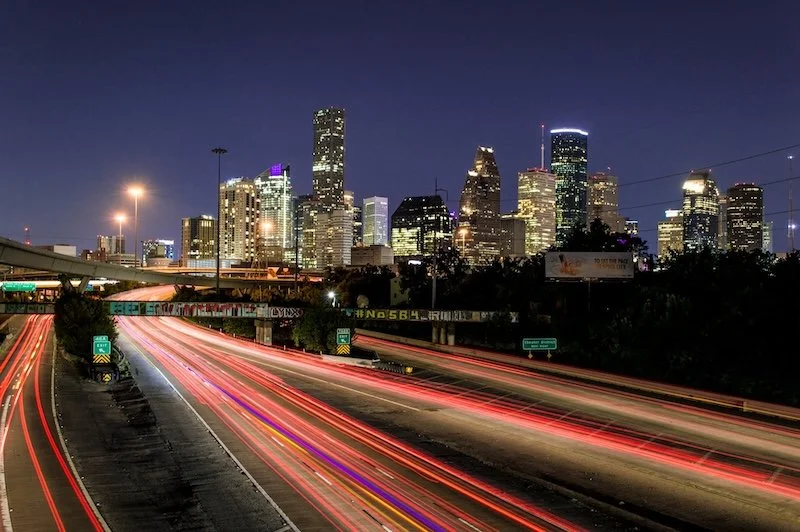
Photo credit: Unsplash.
The Strategic Importance of Smart Zones in Urban Growth
As urban areas grow in size and population, they see an increase in the demand for smart commercial infrastructure. Smart commercial zones are the solution, which puts structure to commercial development, which would otherwise happen in a haphazard way. In terms of a suburban shopping centre or a city business district, what they are seeing is a more even balance of services that support residential areas at the same time, which in turn also reduces congestion and environmental impact.
At the core of this planning process is a look ahead to what is to come, which in turn weathers out what the future holds and which puts forward adaptability as a priority. This forward-looking approach is key to the fact that cities and towns will be dynamic, attractive, and economically competitive in the distant future.
How the Future of Land Development Is Taking Shape
The present reality of land development is that which they see for the future is here now. What they see are a few key trends that show how smart commercial parks and large scale planning practices are transforming.
1. Mixed-Use Developments
Today they see a trend of land planners putting together residential, commercial, and recreational uses in the same setting. What they have is mixed use development, which in turn promotes walkability and convenience that, to a large degree, reduces commute times and supports diverse living options.
They are away from the idea of putting workplaces far from homes and shops; instead, they have a focus on creating dynamic communities in which people live, work, and play in the same connected environment.
2. Sustainable and Resilient Design
Environmental sustainability is a must; it is a base element of present-day planning. In smart zones they see the integration of green building practices, energy efficient systems, and stormwater management solutions, which in turn protect infrastructure and improve resilience. Through green roofs, efficient water use, or renewable energy, they see sustainable design, which prepares commercial areas for climate change and future growth.
3. Technological Integration
Digital infrastructure has become a parallel to roads and utilities. In smart commercial zones, they see high speed internet access, sensor networks, and digital tools, which in turn improve traffic management and public safety. Also, these tech features improve everyday operation, and in turn, they see a draw for modern businesses and tech savvy residents.
4. Urban Revitalisation
Rather in growing out into green fields many cities are instead turning to redevelop what is there. They see in the revamping of older commercial areas a chance to preserve history at the same time they meet present day requirements. Also it is an economic choice which through smart zoning they are reimagining underused spaces.
5. Community Centered Amenities
Future growth in land use is about placemaking; they see the development of settings that are inviting and inclusive. From public parks and plazas to local markets and pedestrian paths, smart commercial zones are focused on the personal experience which in turn transforms these areas into destinations rather than just business districts.
Why Professional Planning Matters
Implement into successful smart commercial zones which requires expertise, coordination and forward planning. In the case of civil engineering and land development professionals in particular those that are familiar with regional issues as in the case of Texas’ land development requirements - they play a key role in the success of taking projects from concept to completion.
These companies provide a wide range of services which include surveying, environmental planning, infrastructure design, drainage and grading analysis, and permitting assistance. They do what they can to see that commercial areas are not only functional but also in compliance with land use regulations and in alignment with long term community goals.
Looking Ahead: Long-Term Benefits of Smart Planning
The future of land development is looking up; they see in that picture the role of innovation and strategic thinking. What they are experiencing with smart commercial zones is not a trend but a transformation into more deliberate, open, and effective use of land. As cities and also regions grow in size, what they have are these zones, which will play a key role in economic growth and environmental protection.
Well thought out commercial spaces attract investment, promote sustainable growth, and improve quality of life. By focusing on flexibility and resilience, smart zones allow cities to grow with demographic changes, to adapt to technology advances, and to better handle environmental issues. In this way they present a model for the next stage of urban and suburban development.